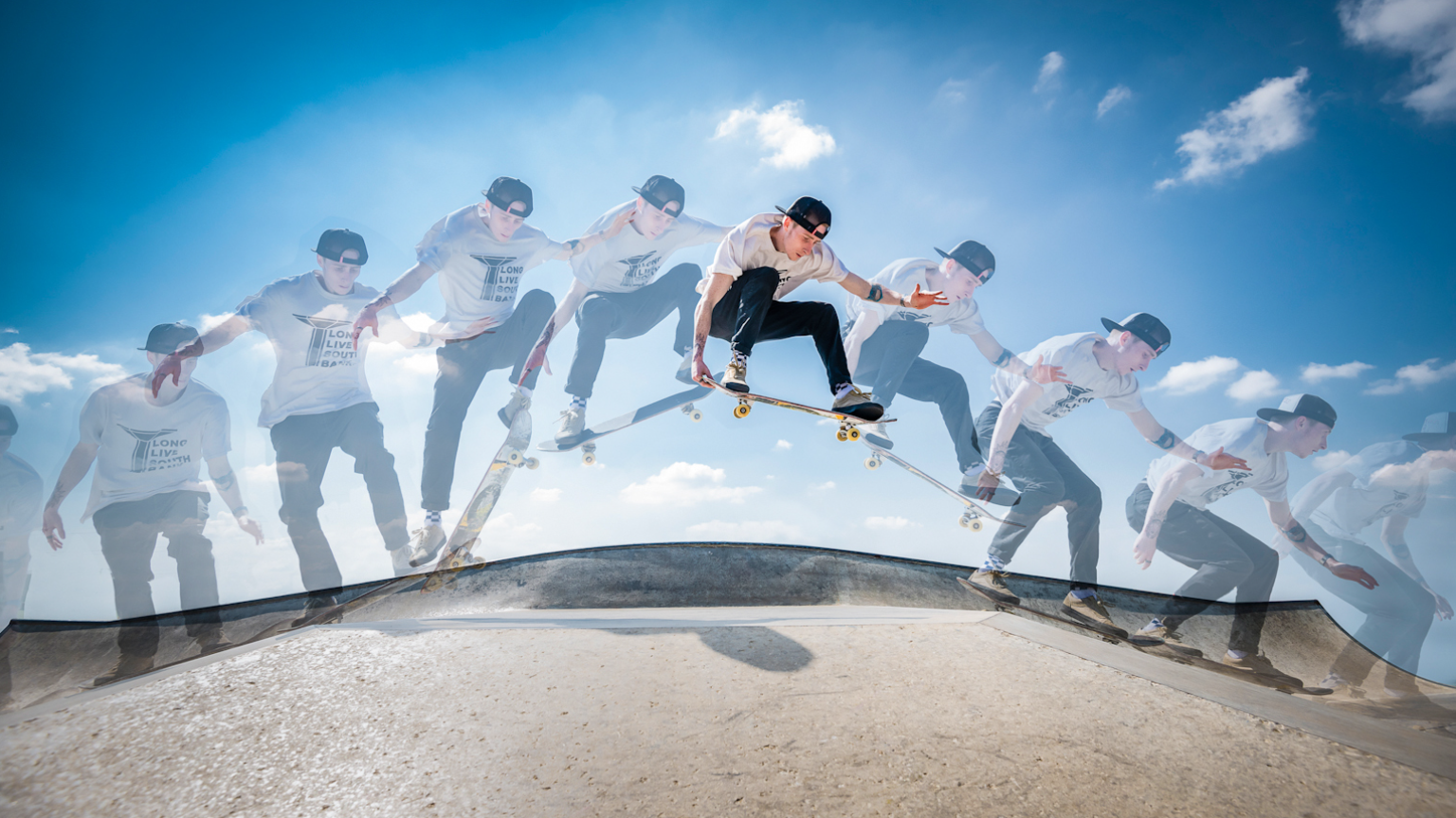

You’re not behind. You’re distracted. Watching instead of moving. Picture Credit: Nationalcentrefordiversity
By Aisha Zardad
There is a habit that rarely announces itself as harmful, one that feels almost automatic, subtle enough to go unnoticed but powerful enough to shape how you see yourself. It shows up in moments that seem harmless at first, when you look at what someone else is doing, how far they have come, how confidently they appear to move, and something in you shifts. You begin to measure, not intentionally, but instinctively, placing your progress next to theirs, your position next to where they seem to be.
And in that moment, something changes.
What you were doing no longer feels like enough.
What you were building begins to feel smaller.
What you were confident about starts to feel uncertain.
This is how comparison works.
Not loudly, not in a way that immediately disrupts everything, but quietly, gradually, influencing how you perceive your own movement. It redirects your focus away from what you are doing and places it onto what others are doing, creating a constant reference point that has nothing to do with your actual path.
And the more you engage with it, the more it shapes your behaviour.
You begin to question your pace, wondering if you are moving too slowly. You start to doubt your approach, wondering if you are doing it the right way. You become more aware of where you think you should be, instead of where you actually are. And without realising it, you begin to adjust your actions based on someone else’s timeline.
But that timeline was never yours.
This is where the damage begins.
Because comparison does not just affect how you feel, it affects how you move. It creates hesitation where there was once momentum. It introduces doubt where there was once clarity. It makes you second-guess decisions that were already aligned, not because they are wrong, but because they do not look the same as someone else’s.
And over time, that hesitation slows you down.
Not in a dramatic way, but in small, consistent interruptions. You pause more often. You rethink things that did not need to be rethought. You hold back where you would have moved forward. You spend more time observing than acting, more time analysing than doing.
And this is where progress begins to stall.
Not because you are incapable, but because your attention is divided.
You are no longer fully engaged with your own process.
You are watching.
Measuring.
Comparing.
And in doing so, you step out of your own momentum.
What makes this even more difficult to recognise is that comparison can feel motivating at times. It can push you to want more, to aim higher, to improve. But that motivation is often unstable, because it is not rooted in your own direction. It is reactive, dependent on what you see, what you think you should be doing, how you believe you should be progressing.
And because of that, it rarely lasts.
It creates short bursts of urgency, followed by longer periods of doubt.
Because no matter how much you try to align yourself with someone else’s pace, it will never fully fit. Their path is shaped by variables you do not share, experiences you have not lived, circumstances you do not control. And trying to measure your progress against something that was never designed for you will always leave you feeling out of place.
This is why comparison is so limiting.
It disconnects you from your own path.
It shifts your focus outward, when it needs to remain inward.
It replaces your direction with distraction.
And the longer that continues, the more difficult it becomes to move with clarity.
Because clarity requires focus.
Not on what others are doing, but on what you are building.
It requires you to understand that your progress is not defined by how it looks next to someone else’s, but by whether it is aligned with where you are trying to go. It requires you to trust that your pace, even if it feels slower, is still valid if it is consistent. It requires you to recognise that movement, no matter how small, is still movement, even if it is not as visible or as fast as someone else’s.
This is where the shift happens.
Not in eliminating comparison completely, but in reducing its influence.
In noticing when your attention has moved away from your own process and bringing it back. In recognising when doubt has been introduced not by your own experience, but by what you have seen. In choosing to re-engage with your own direction instead of adjusting yourself to fit someone else’s.
Because the truth is simple.
You are not behind.
You are distracted.
And distraction, when left unchecked, will keep you in the same place, not because you lack ability, but because your energy is not being directed where it needs to be.
This is what needs to change.
Not your pace, not your path, but your focus.
Because progress is built through consistent engagement, not constant comparison. It is shaped by what you do repeatedly, not by how it measures up to someone else’s results. It is strengthened by your ability to stay with your own process, even when other people’s progress is more visible, more obvious, more immediate.
And that requires discipline.
The discipline to look away when you need to.
The discipline to return to what you are doing.
The discipline to trust that your movement, even if it is not perfect, is still taking you somewhere.
So today is not about ignoring everything around you or pretending that comparison does not exist. It is about recognising when it is influencing you in a way that is limiting and choosing, deliberately, to step out of it.
To bring your attention back to what you are building.
To move forward without measuring every step.
To continue without needing to compare.
Because your progress does not need validation.
It needs consistency.
And the moment you stop watching and start moving again is the moment it begins to grow.
Practice for Today
Notice when you begin to compare yourself to others and intentionally redirect your focus back to your own work or process. Take one action that moves you forward without referencing anyone else.
Today’s Reflection
Where in my life do I compare myself most often?
How does comparison affect my confidence and progress?
What happens to my focus when I start watching others too closely?
What would it feel like to fully commit to my own path?
How can I protect my progress by staying focused on myself?