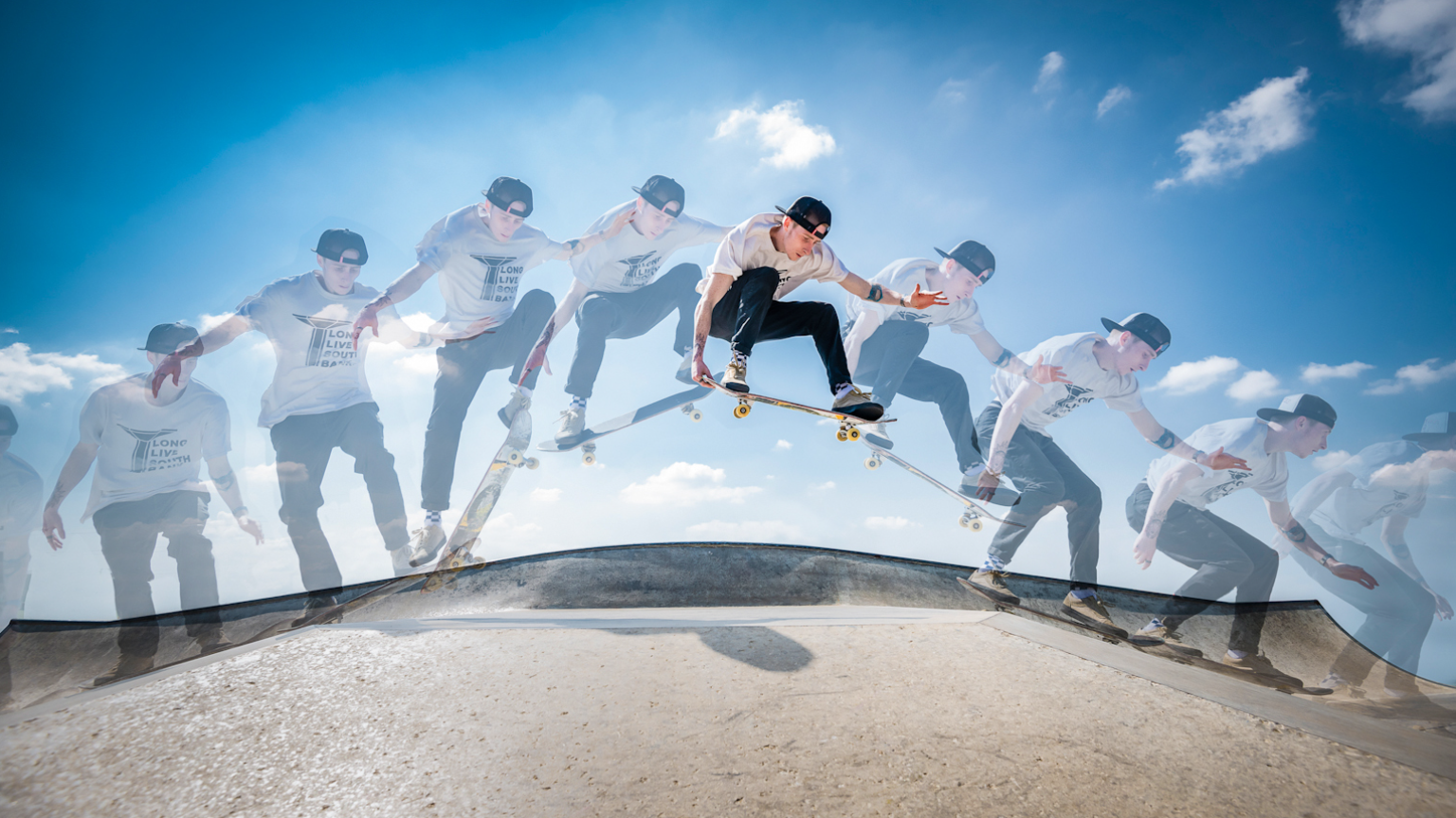

At some point, thinking stops being helpful. You’ve analysed it. Replayed it. Planned it. Now it’s just delay. Picture Credit: iStock
By Aisha Zardad
There is a point where thinking stops being helpful, not because reflection is unnecessary, but because it has already done what it needed to do. You have considered your options, analysed the situation from different angles, and gone over the possibilities more than once. At first, this feels productive, even responsible, like you are taking the time to understand before you act. But gradually, something shifts. The thoughts begin to repeat themselves. The same questions return, the same concerns resurface, and the same conclusions are reached without anything actually changing. What once felt like clarity begins to turn into delay.
It becomes difficult to recognise because it still feels like effort. You are still engaged, still mentally involved, still trying to “figure it out.” But there is no movement. Nothing new is being created, no decisions are being made, and no action is being taken. You are simply circling the same ideas, waiting for something to feel different. This is where overthinking quietly takes hold, not as avoidance, but as something that feels like preparation. It convinces you that you are not quite ready yet, that there is still something missing, something you need to understand more clearly before you begin.
And so you wait.
You wait for clarity to sharpen, for confidence to rise, for the right moment to arrive. You tell yourself that you are getting closer, that a little more time will make the difference. But what you are experiencing is not progress, it is repetition. The same thoughts, the same hesitations, the same delay, all wrapped in the feeling of trying.
What makes this even more difficult to confront is that overthinking sounds reasonable. It presents itself as caution, as responsibility, as wanting to do things properly. It gives you explanations that make sense, reasons that feel valid enough to trust. And because of that, it can hold you in place for far longer than you realise, all while convincing you that you are still moving forward.
But there is a quiet truth underneath all of this that becomes impossible to ignore once you see it clearly. The answers you are waiting for are not going to arrive in the way you expect them to. You are searching for certainty, for a moment where everything feels aligned enough to act without hesitation. But certainty rarely exists before action. It is something that develops because you begin, not something that appears beforehand to give you permission.
At some point, you have to recognise that you already know enough. You may not know everything, you may not feel completely ready, and you may not have perfect clarity, but you know enough to take a step. You know enough to begin. Continuing to think will not change that. It will only keep you where you are, engaged but unmoving, aware but inactive.
And this is where the real shift begins.
Because thinking, on its own, does not create progress. It does not change your position or move you any closer to the life you are trying to build. It simply keeps you in a space where everything remains possible but nothing becomes real. That space can feel safe, because it protects you from uncertainty, from failure, from getting it wrong. But it also protects you from growth.
The moment you act, something changes. You move out of possibility and into reality. You begin to engage with your life instead of just imagining it. And with that comes discomfort, unpredictability, and the awareness that things may not unfold exactly as you planned. This is why it feels easier to stay where you are, to keep thinking, to keep preparing, to keep waiting for something to shift.
But nothing shifts until you do.
Every day that passes in thought without action keeps the gap between where you are and where you want to be exactly the same. Not because you are not trying, but because your effort is not being directed into something that creates movement. And movement is what changes everything, not perfect movement, not fully planned movement, but movement that allows you to learn in real time, to adjust as you go, to replace assumptions with experience.
This is how clarity is actually built. Not in stillness, but in motion. The more you act, the more you begin to understand. The more you engage, the less you need to rely on guessing. The more you move, the clearer your direction becomes, not because everything is figured out, but because you are actively shaping it.
And this is what breaks the cycle.
Not thinking harder, not waiting longer, but recognising when thinking has reached its limit. When it has given you everything it can, and anything beyond that becomes repetition instead of insight. That is the moment where something has to change, not in your thoughts, but in your actions.
So today is not about finding the perfect answer or reaching complete certainty. It is about noticing where you have been stuck in thought and choosing, deliberately, to step out of it. Not dramatically, not all at once, but in one clear decision to move forward.
Because you could think about it more.
But you do not need to.
You have thought about it enough.
And now, the only thing left to do is act.
Practice for Today
Notice one decision or action you have been overthinking and take a step toward it today without revisiting the same thoughts. Let action replace analysis.
Today’s Reflection
Where in my life am I overthinking instead of acting?
What am I hoping more thinking will give me?
What is one step I already know I can take?
How would it feel to act without needing full certainty?
What might change if I trusted myself to move forward now?