
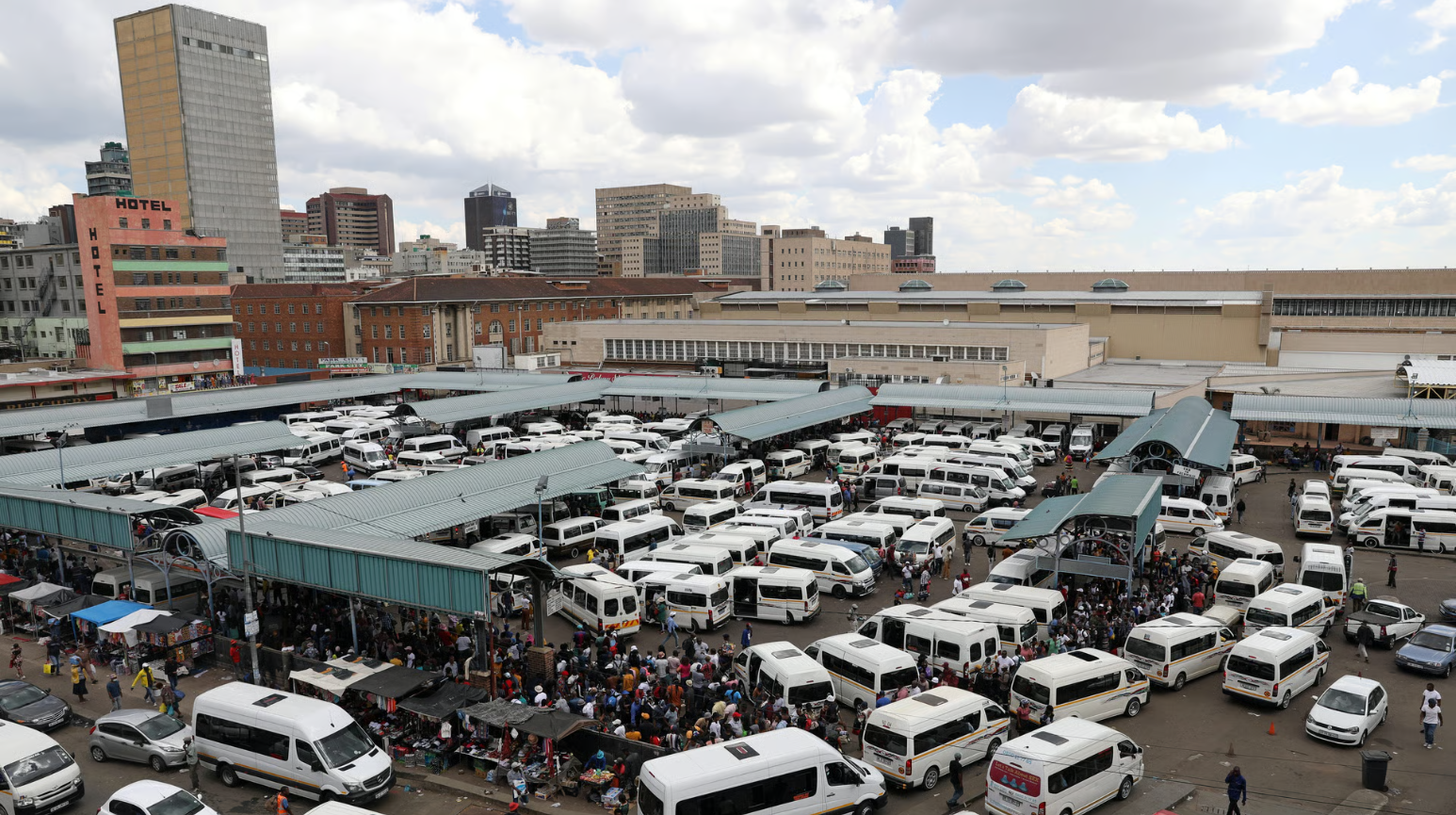
Taxi commuters face mounting pressure as fuel price hikes threaten to drive up daily transport costs nationwide. Picture Credit: Quartz
By AIsha Zardad
South Africa – South African commuters are bracing for possible taxi fare increases as the South African National Taxi Council (SANTACO) signals that rising fuel costs are forcing the industry to act.
Fuel prices are expected to spike sharply from April 1, with petrol projected to climb by up to R5 per litre and diesel by more than R10. The surge is being driven by a combination of elevated global oil prices, a weaker rand, and increased levies. Ongoing conflict in the Middle East has further intensified pressure, pushing Brent crude prices up by approximately 38% in recent weeks.
SANTACO spokesperson Rebecca Phala confirmed that fare adjustments are under active consideration, as operators grapple with mounting operational costs.
“Yes, we are. The anticipated fuel price increases, coupled with concerns around supply constraints and early price adjustments at some petrol stations, are already placing significant pressure on the taxi industry. As a result, many taxi associations are being compelled to consider fare adjustments,” Phala said.
She emphasised that while SANTACO provides guidance, fare decisions are ultimately made by individual taxi associations.
“Some associations have already implemented increases, while others are in the process of finalising their decisions,” she said.
Phala noted that fuel is only one component influencing fare structures, with operators also facing rising vehicle instalments, maintenance costs, administrative expenses, and broader business pressures.
“It is important to note that taxi fares are not determined by fuel prices alone, but by a range of operational factors, inclusive of vehicle instalment costs, admin costs, vehicle maintenance, and business growth prospects. Given the current urgency and prevailing economic conditions, fare increases have become necessary for associations to sustain their operations,” she said.
The potential increases are expected to place additional strain on already stretched households. Data from the Pietermaritzburg Economic Justice and Dignity Group indicates that transport costs already account for roughly 58% of an average worker’s monthly income.
Phala highlighted that the industry operates without direct government subsidies, limiting its flexibility to shield lower-income commuters.
“The taxi industry operates without direct government subsidies and relies primarily on fare revenue to sustain its operations. This limits the ability to implement differentiated pricing or targeted relief measures for specific income groups,” she said.
Despite the pressure, she said associations are attempting to balance sustainability with affordability.
“However, taxi associations remain mindful of the financial pressures faced by commuters and aim to introduce fare adjustments in a way that does not significantly deter usage, as affordability remains critical for both commuters and the sustainability of the industry,” Phala added.
She confirmed that internal engagements are ongoing across all levels of the organisation.
“SANTACO’s internal structures (Provincial structures, regional structures and association level structures) are already actively engaging on these matters,” she said.
Once decisions are finalised, commuters will be informed through official channels, including notices in taxis, at ranks, and on social media platforms.