
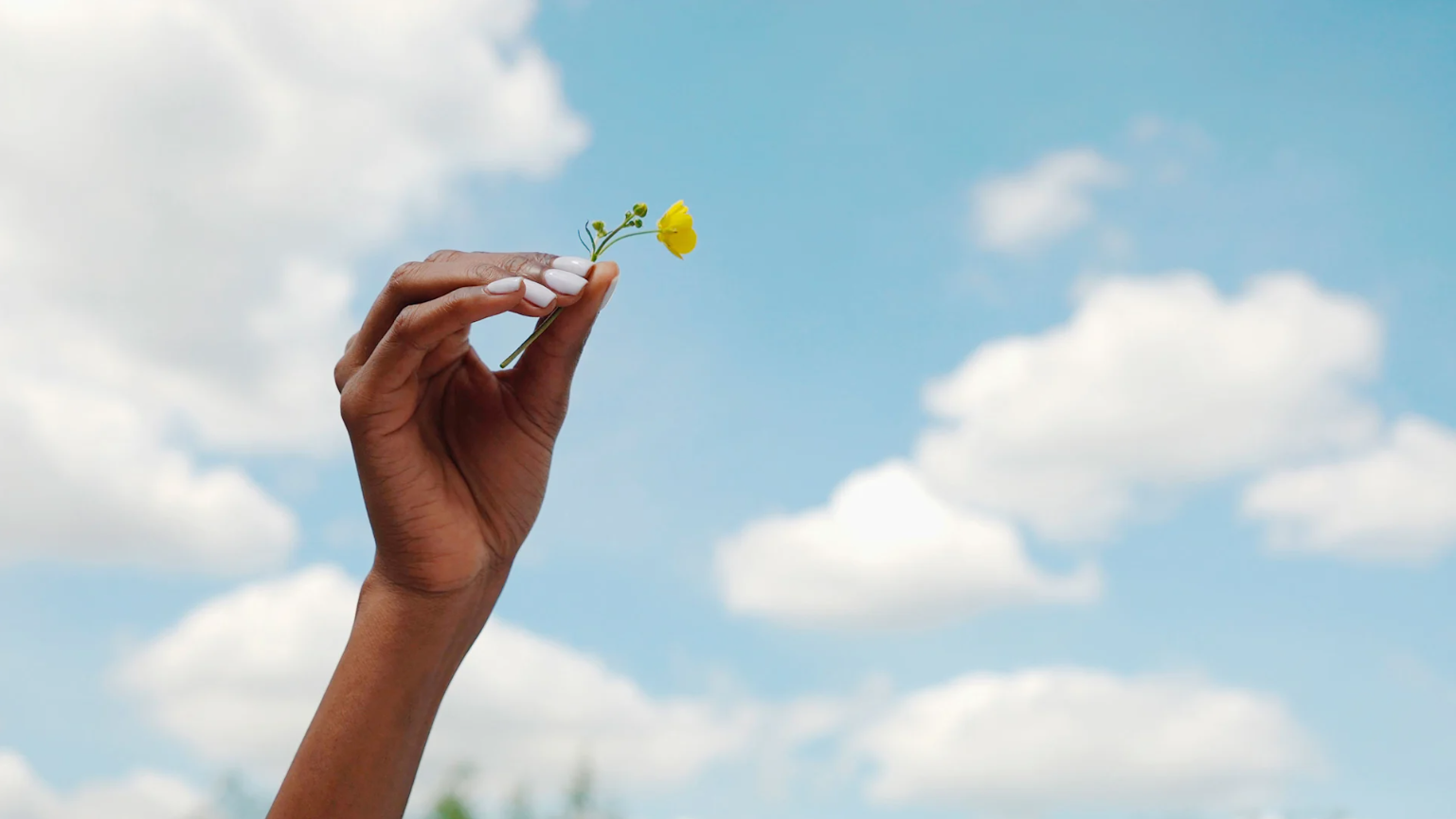
Growth doesn’t erase who you were. It adds new layers to who you are becoming. The strongest identities aren’t fixed —
they evolve. Picture Credit: Fastcompany
By Aisha Zardad
Personal growth often carries a quiet fear that many people rarely speak about: the fear that changing might mean losing parts of ourselves. When we begin evolving — shifting our priorities, setting boundaries, exploring new paths, or developing new beliefs — it can sometimes feel as though we are stepping away from the identity we once knew so well.
This fear is understandable. For most of our lives, identity has been built from familiarity. We learn to recognize ourselves through patterns: the roles we play in our families, the behaviours people expect from us, the habits we repeat every day. These patterns become anchors. They tell us who we are and where we belong.
So when growth begins to change those patterns, it can feel unsettling. The question quietly emerges: If I change too much, will I still recognize myself?
But true personal growth does not require abandoning who you are. Instead, it asks you to expand your understanding of yourself. Becoming someone new is rarely about discarding your past identity; it is about integrating new strengths, insights, and experiences into the person you already are.
Think of identity not as a fixed structure, but as something more organic — something that evolves with time. Just as a tree grows new branches while remaining rooted in the same soil, human beings grow through layers of experience that add depth to their identity rather than replace it.
The qualities that have shaped you in the past — your resilience, your empathy, your curiosity, your creativity — do not disappear simply because you are developing new skills or perspectives. In many cases, growth actually allows those qualities to express themselves more fully.
For example, someone who has always been compassionate may begin learning how to pair that compassion with healthy boundaries. Someone who has always been driven may discover the importance of balancing ambition with rest and reflection. Someone who once avoided conflict may develop the confidence to express their thoughts honestly while still valuing harmony.
These shifts do not erase the original qualities. They refine them.
Growth also introduces new dimensions to your identity. As you explore unfamiliar ideas, relationships, and experiences, you begin discovering abilities and interests that were not previously visible. A person who once believed they were quiet may discover their voice in leadership. Someone who once avoided risk may find unexpected courage when pursuing something meaningful.
Each new layer expands your understanding of who you can be.
One of the most helpful perspectives during this process is recognizing that identity is not a destination you arrive at once and maintain forever. Instead, it is a continuous conversation between your past experiences, your present choices, and the future possibilities you are exploring.
The person you were five years ago helped shape who you are today. In the same way, the decisions you make now will influence who you become in the years ahead.
This means growth is less about reinventing yourself completely and more about consciously guiding your evolution. You are not replacing one identity with another; you are building upon the foundation that already exists.
There will still be moments of uncertainty along the way. As new aspects of your identity emerge, you may occasionally feel like you are standing between two versions of yourself — the familiar one that feels comfortable and the emerging one that feels exciting but unknown.
These moments are not signs of instability. They are signs that your identity is expanding.
Rather than resisting this process, you can learn to move through it with curiosity. Ask yourself what parts of your past identity you want to carry forward and what new qualities you would like to develop. Growth becomes far less intimidating when it is seen as an intentional journey rather than a sudden transformation.
Over time, the different pieces of your identity begin to weave together. Your past experiences provide wisdom, your present awareness offers clarity, and your evolving goals create direction.
The result is not a completely different person, but a more complete one.
Becoming someone new does not mean losing yourself. It means allowing yourself to grow beyond the limits of who you once believed you had to be.
And within that expansion, you often discover that the most authentic parts of you were there all along, waiting for the space and courage to fully emerge.
Practice for Today
Take time today to reflect on the ways you have grown over the past few years. Write down three qualities or strengths that have always been part of who you are.
Next, write down three qualities or abilities you have developed more recently through experience, learning, or personal reflection.
Notice how these qualities complement each other rather than compete. Growth often happens when we allow both our past strengths and our emerging abilities to exist together.
Today’s Reflection
What qualities or strengths have consistently been part of my identity over the years?
How have my experiences shaped new aspects of my personality, values, or abilities?
Have I ever resisted change because I feared losing a familiar version of myself?
What parts of my past identity do I want to carry forward as I continue growing?
What new qualities or habits am I beginning to develop as the next chapter of my life unfolds?
How can I allow myself to evolve while still honoring the person I have been?
Personal growth is not about abandoning who you were.
It is about allowing every experience to shape a fuller, more authentic version of who you are becoming.n for the next.