
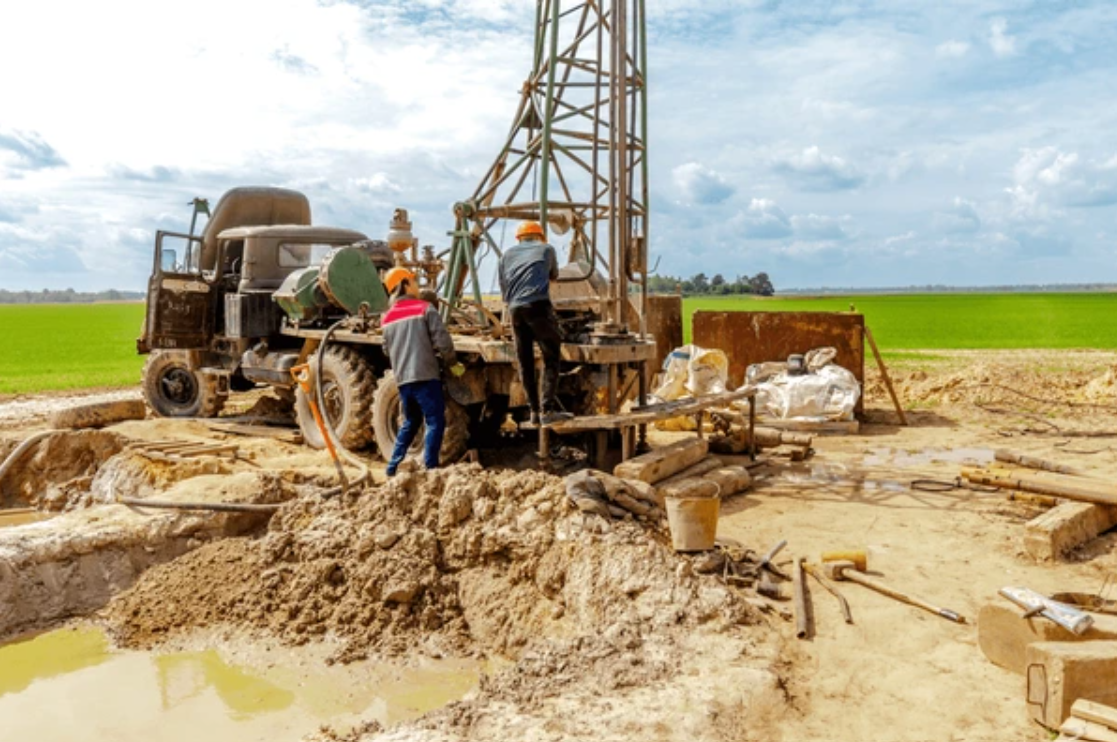
Sekhukhune District Municipality has allocated R90 million in its 2025/26 adjustments budget for boreholes, water tankering and supply interventions — a move critics say may not offer a sustainable long-term solution to the district’s water crisis. Picture Credit: Shutterstock
By Aisha Zardad
Sekhukhune – The Sekhukhune District Municipality (SDM) has allocated R90 million toward water-related interventions in its 2025/2026 adjustments budget, a move that has drawn strong opposition from the Socialist Agenda of Dispossessed Africans (SADA).
SADA President Aubrey Ngwatle has criticised the approach as unsustainable and misguided. “I am concerned about the sustainability and revenue implications of this model, particularly in the absence of a clear plan for water reticulation to households,” Ngwatle stated.
According to the revised budget, R30 million has been prioritised for borehole drilling and refurbishment, a further R30 million for water tankering, and another R30 million for water inventory through Lepelle Northern Water (LNW).
In reprioritising funds, the municipality has reportedly removed several projects due to budget constraints. These include studies and technical reports on dilapidated water sources in areas such as Praktiseer, Leeuwfontein, and Monsterlus. Revenue-generating infrastructure projects, including the Malekane Wastewater Treatment Works (WWTW) and the Mooihoek Scheme, have also been stalled.
SADA representatives argue that this reflects a failure of leadership and a lack of strategic direction in addressing the long-standing service delivery challenges facing communities across Sekhukhune.
Municipal records indicate that three boreholes were previously refurbished in Ward 21 under the Fetakgomo Tubatse Local Municipality (FTLM) at a total cost of R450,000 — approximately R150,000 per borehole. Based on this cost estimate, SADA suggests that the allocated R30 million could potentially fund the drilling or refurbishment of around 200 boreholes during the 2025/2026 financial year.
“In the context of revenue enhancement and long-term sustainability, how will the municipality generate income through borehole drilling? How will water be reticulated and supplied for individual household consumption?” asked Ngwatle.
During a recent special SDM council meeting, SADA delegates formally registered their dissatisfaction with the proposed approach, stating that the model is inconsistent with the principles of value for money within a constitutional democracy.
The organisation further raised concerns about water quality compliance, noting that the municipality is not currently meeting Blue Drop standards as assessed by the Department of Water and Sanitation. SADA cited reports indicating deficiencies in water quality management and referenced Section 152(1) of the Constitution of the Republic of South Africa, 1996, which outlines the objectives of local government, including the provision of sustainable services to communities.
SADA has called for what it describes as a viable, sustainable, and effective model for delivering quality basic services to residents of Sekhukhune.
During the 8th Presidential Imbizo held in 2023 in Tubatse Municipality, President Cyril Ramaphosa allocated close to R25 billion to address the severe water crisis in the Sekhukhune district and surrounding areas in Limpopo. Ramaphosa pledged to prioritise the implementation of water projects, even if it required direct intervention from the national government.
However, water crises persist in the area despite it being home to two large dams, Flag Boshielo and De Hoop.