
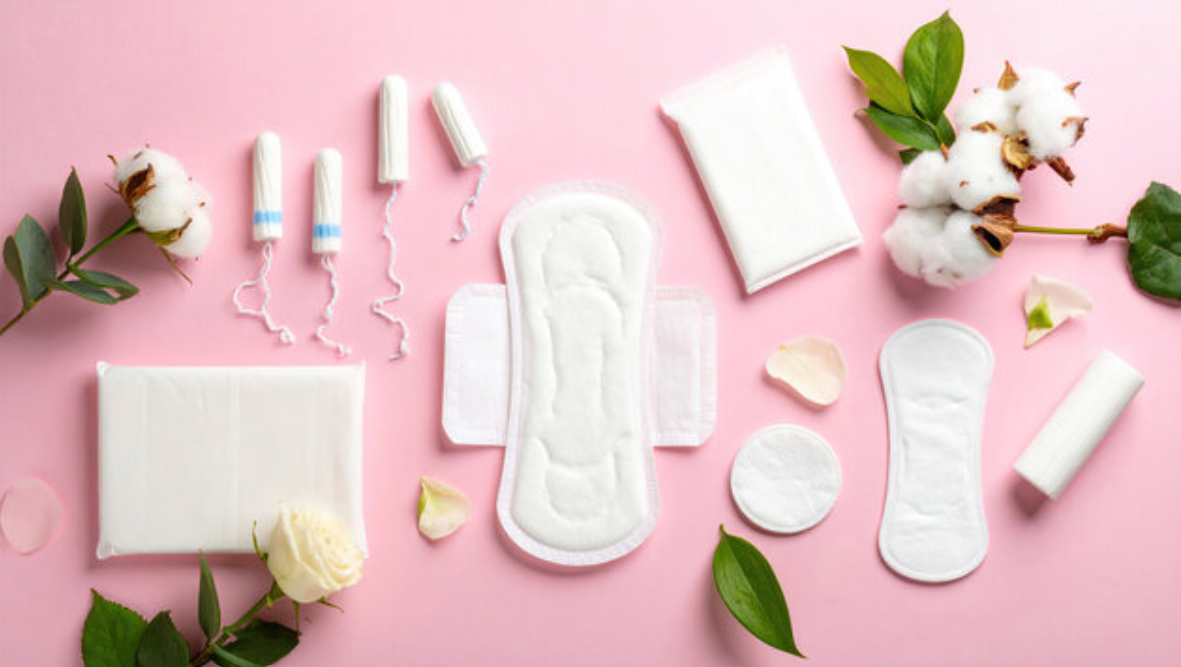
A selection of popular sanitary pads and pantyliners are under investigation after a UFS study detected hormone-disrupting chemicals, raising concerns about long-term health risks for women. Picture Credit: Adobe Stock
By Aisha Zardad
South Africa – A study conducted by the University of the Free State (UFS) has detected hormone-disrupting chemicals in all tested sanitary pads and pantyliners, raising concerns about long-term exposure and consumer safety.
Researchers tested 16 sanitary pad brands and eight pantyliner types for three main groups of endocrine-disrupting chemicals (EDCs): bisphenols, parabens, and phthalates.
Study findings: Bisphenols were present in all sanitary pads and the majority of pantyliners. Parabens were detected in over 81% of pads and 75% of pantyliners, while phthalates appeared in all pantyliners and half of the tested pads.
Endocrine-disrupting chemicals (EDCs) such as bisphenols, parabens, and phthalates are known to interfere with the body’s hormone systems, potentially causing a range of health effects, particularly for women.
- Bisphenols (e.g. BPA): These compounds can mimic estrogen, the primary female sex hormone. Long-term exposure has been linked to menstrual irregularities, altered ovarian function, increased risk of polycystic ovary syndrome (PCOS), and potential impacts on fertility. Some studies suggest a connection to endometriosis and hormone-sensitive cancers like breast cancer.
- Parabens: Commonly used as preservatives, parabens can also mimic estrogen in the body. Chronic exposure may disrupt the menstrual cycle, reduce fertility, and contribute to breast tissue changes. While the direct causal link to disease is still under study, repeated low-level exposure is concerning because of cumulative hormonal interference.
- Phthalates: These chemicals are used to make plastics flexible and are present in some sanitary products. Phthalates can interfere with estrogen and progesterone function, potentially leading to ovarian dysfunction, early puberty, menstrual irregularities, and decreased fertility. Some animal studies also suggest links to hormonal imbalances that affect reproductive development.
Long-term impact on the female reproductive system may include:
- Hormonal imbalances affecting ovulation and fertility
- Increased risk of reproductive disorders, including fibroids and endometriosis
- Potential contribution to hormone-sensitive cancers
- Disruption of menstrual regularity and cycle length
While current studies, including the UFS research, do not confirm that sanitary products directly cause these health issues, repeated exposure over many years raises legitimate concerns about cumulative effects. This underscores the importance of transparency in product labelling, regulatory oversight, and access to safer alternatives for women.
For many women, the findings were alarming and deeply concerning.
Thato Nkethu said the study left her “shocked, saddened, and deeply unsettled.”
“How could something like this be allowed without stricter regulation?” she asked.
Nkethu, who lives with a fibroid diagnosis, said the research has forced her to question whether long-term exposure to certain products may have played a role in her health struggles.
“I have fibroids too; what if this is a contributor? I don’t know. Now I don’t even know what to use. Even the alternatives, we’re not sure if they’ve been tested or not.”
Another woman, speaking on condition of anonymity, said she experienced persistent irritation with a particular brand.
“I didn’t think much of it at the time,” she said. “But every time I used Lil‑lets pads during my period, I developed a rash. I eventually switched to another brand, Always, and since then I haven’t had any symptoms at all. With Lil‑lets, it happened every cycle.”
Neo Mokonyane had similar concerns. She recalled a brief reaction to one brand, which made her cautious about what she uses.
“From now on, I will try a different brand and see what happens because I cannot use reusable menstrual pads.”
The Women’s Structure of the National Union of Mineworkers, responsible for providing sanitary products to vulnerable communities, voiced serious concern.
Nthabiseng Mashiteng, NUM Women’s Structure National Secretary, emphasised that: “The pursuit of profit must never override the right to life and the dignity of women. We welcome the UFS study and call for immediate and transparent investigations to hold manufacturers accountable.”
Mashiteng called for immediate coordinated action, urging the South African Human Rights Commission, Commission for Gender Equality, National Consumer Commission, Department of Health, and Department of Women, Youth, and Persons with Disabilities to work together.
“We will not remain silent while the most vulnerable members of our society are exposed to preventable health risks,” she said. She also encouraged women to prioritise certified alternatives such as those verified under OEKO-TEX Standard 100 and stressed the importance of free and safe menstrual products.
The Department of Women, Youth and Persons with Disabilities confirmed it has engaged with UFS in response to the study, stressing that the research aims to inform rather than alarm consumers. The department also expressed its support for the National Consumer Commission’s investigation to ensure that locally sold products are safe, accessible, and comply with regulatory standards.
“While the study does not establish immediate or short-term health harm, it raises important concerns regarding long-term exposure and cumulative health risks. The purpose of the scientific research conducted at the university is not to create fear, anxiety, or panic, but to inform and empower consumers, policymakers, and health professionals through robust data and scientific evidence,” the department said.
Following the UFS study, the National Consumer Commission opened a formal investigation into nine leading sanitary pad and pantyliner brands to determine if manufacturers have complied with the Consumer Protection Act and whether the products present potential health risks.
Meanwhile, Parliament’s Portfolio Committee on Trade, Industry and Competition has called for a transparent, science-driven investigation, urging regulators to assess whether the affected products should be withdrawn from shelves and to review how safety standards can be improved.
Committee chairperson Mzwandile Masina emphasised that the health and safety of women and girls must be prioritised and that manufacturers must be held accountable for compliance with safety regulations.