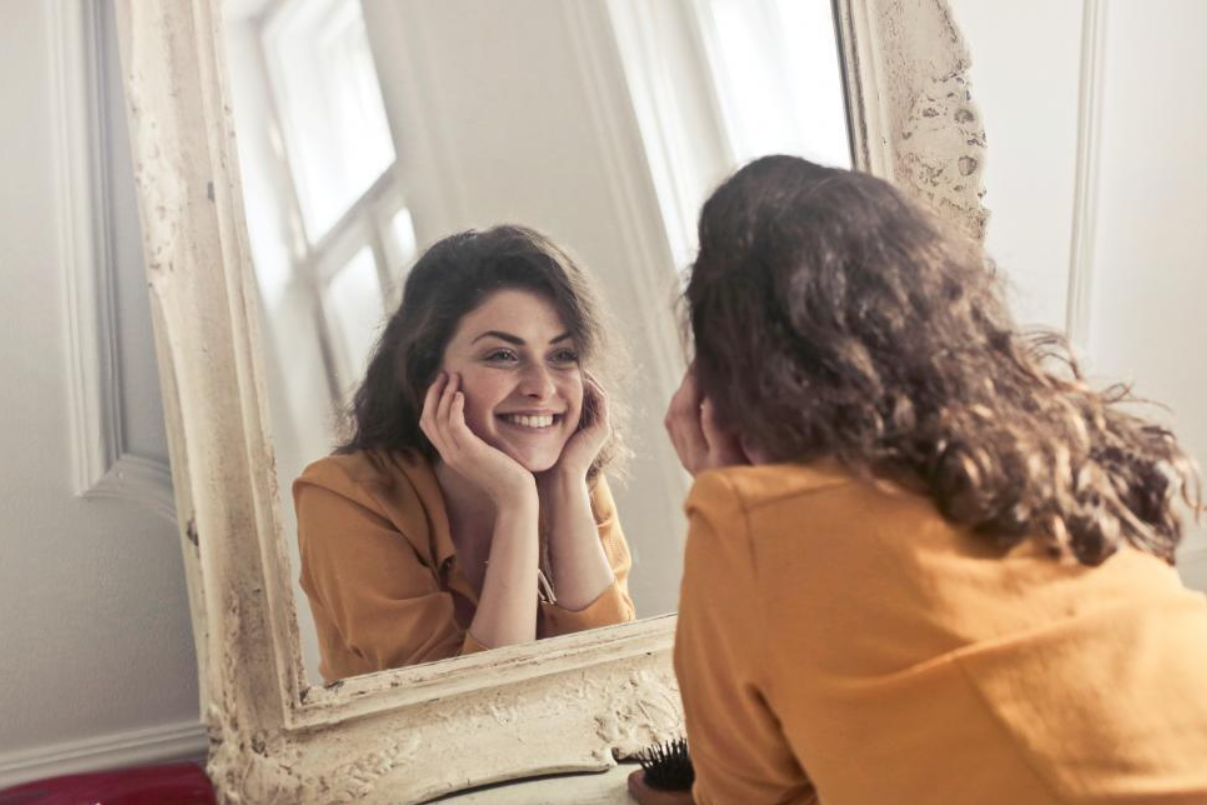

Wellness isn’t about constant motion—it’s about knowing when to pause. Where can you pause today? Picture Credit: Linkedin
By Aisha Zardad
In the rush of modern life, we often forget the simple yet profound power of pause. We fill our days with tasks, notifications, and endless activity, believing that constant motion equals progress. But true wellness and clarity often come not from doing more, but from intentionally pausing—taking a moment to breathe, reflect, and reset.
Pausing is not laziness or avoidance. It is a deliberate act of self-care and awareness. It allows you to step out of autopilot, observe your thoughts, and respond with intention rather than reaction. When you pause, you create space for clarity, creativity, and balance. You regain control over your choices, rather than letting circumstances or external pressures dictate your actions.
Why Pausing Matters: Continuous activity can lead to mental fatigue, stress, and scattered focus. Without moments of pause, we risk burnout, decreased productivity, and a loss of connection with ourselves. By incorporating pauses, we give our minds a chance to process experiences, recalibrate emotions, and make deliberate decisions. Even brief pauses—a few deep breaths, a short walk, or a mindful stretch—can reset your nervous system and enhance mental clarity.
Consider this: in a single day, you may face dozens of micro-decisions, conversations, and tasks. Without pause, your energy is constantly dispersed, your attention fragmented, and your capacity for mindful action diminished. Pausing helps consolidate focus, conserve energy, and create intentional momentum. It is the bridge between reactive living and conscious, purposeful action.
Areas to Practice Pausing Today
- Emotional Awareness: When you feel stress, irritation, or overwhelm, pause before reacting. Take a few deep breaths, observe your emotions, and choose your response intentionally.
- Decision-Making: Before making choices—big or small—pause to reflect on alignment with your values and priorities. Ask yourself: Does this action serve my goals or wellness today?
- Mindful Movement: Incorporate brief moments of pause into your physical activity. Stretch, notice your posture, or simply walk slowly while observing your surroundings.
Exercises for Today
- Breath Pause (3–5 minutes): Sit quietly and focus on your breathing. Inhale deeply for four counts, hold for four counts, exhale for six counts. Repeat for several cycles, noticing how each pause brings calm and clarity.
- Micro-Pause Practice (Throughout the Day): Set reminders to pause every 60–90 minutes. Stand up, stretch, look outside, or close your eyes for a moment. Observe your thoughts and body sensations without judgment.
- Reflective Journaling (10 minutes): At the end of the day, write about moments when you paused intentionally. How did it affect your mood, focus, or decision-making? Did you notice patterns in your stress or energy levels?
- Pause Before Reaction: In conversations or digital interactions, practice a conscious pause before responding. This creates space for thoughtful replies rather than impulsive reactions, improving communication and reducing conflict.
Key Takeaways: Pausing is a powerful tool for wellness, productivity, and mental clarity. It allows you to step out of reactive cycles, conserve energy, and respond with intention. Regular pauses strengthen self-awareness, reduce stress, and cultivate a sense of control over your day. By making pause a deliberate practice, you create a sustainable foundation for growth and balance.nd celebrate them. Each small win, however minor it seems, is a step forward on your wellness journey.
Today’s reflection: Where can you incorporate pauses in your daily routine? Which moments feel most urgent but might benefit from a pause? How will taking deliberate pauses improve your focus, emotional balance, and overall wellness? Remember, it’s not about doing less—it’s about living more intentionally, moment by moment.