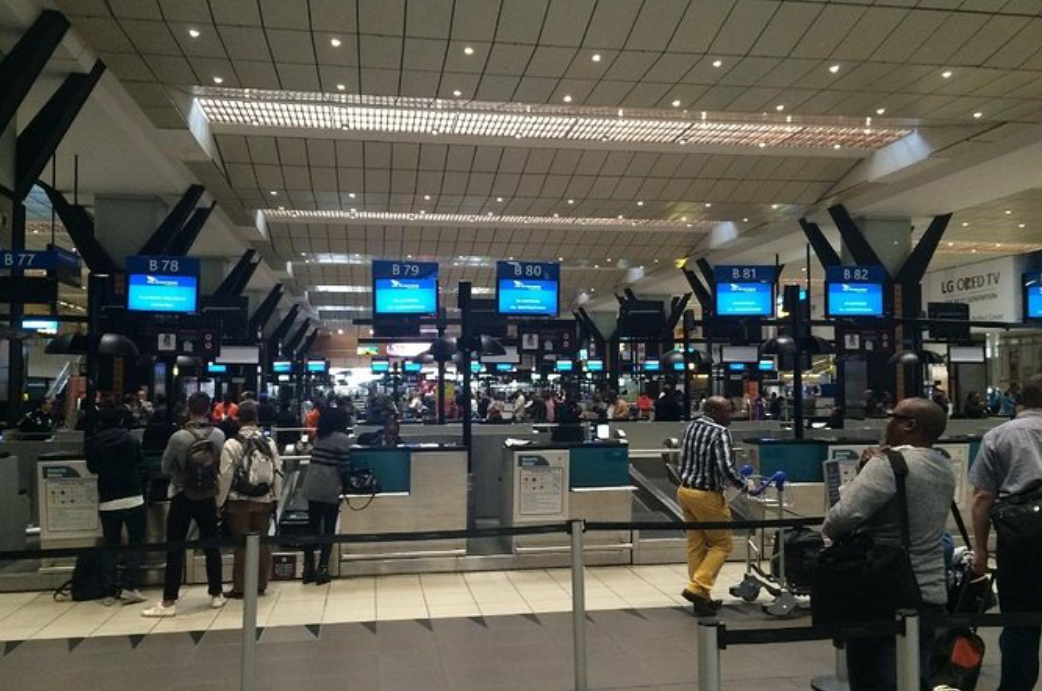

Not every bad day has a dramatic cause. Sometimes your nervous system is just overloaded. Reduce input before you blame yourself. Picture Credit: Stockcake
By Aisha Zardad
There are days when nothing dramatic has happened, yet everything feels like too much.
The lights seem harsher. Notifications feel intrusive. Conversations feel longer than they should. You are irritated, distracted, slightly restless — but if someone asks what’s wrong, you genuinely don’t know.
This is overstimulation.
Overstimulation is not simply “being busy.” It is what happens when your brain receives more sensory, emotional, and cognitive input than it can effectively process in real time.
Your brain is designed to filter information. But modern life rarely allows that filter to rest. You move from one demand to the next without pause — emails to meetings, traffic to phone calls, social media to deadlines. Even moments that look like rest often involve more input: scrolling, watching, listening, replying.
Every notification triggers a micro stress response. Every unfinished task consumes mental bandwidth in the background. Every emotionally charged interaction leaves residue that doesn’t vanish simply because you’ve moved on to the next activity.
Over time, this creates cognitive saturation.
Cognitive saturation occurs when your working memory is full. Concentration becomes harder. Emotional regulation becomes thinner. Decision-making feels heavier. Your tolerance drops — not because you are dramatic, but because your processing capacity is maxed out.
Physiologically, your nervous system may hover in a low-grade stress response. Cortisol remains slightly elevated. Your breathing becomes shallow. Your muscles stay tense. You are not in full panic, but you are not fully calm either. You are wired and tired at the same time.
Because this state builds gradually, you often don’t notice it until your patience shortens or your energy collapses.
Overstimulation is cumulative. It is rarely about one loud moment. It is about hundreds of small inputs without space to reset.
It does not always look dramatic. Sometimes it shows up as snapping at small inconveniences, avoiding messages you normally would answer easily, emotional numbness, scrolling without absorbing anything, sudden fatigue mid-afternoon, or an intense craving for silence without knowing why.
The first shift is awareness. Instead of asking, “What is wrong with me?” ask, “What has my brain been exposed to today?”
How many hours of screen time?
How many conversations?
How many decisions?
How much background noise?
How much emotional labor?
When you measure exposure, the feeling often makes sense.
The second shift is intentional reduction. You cannot think your way out of overstimulation. You must reduce input.
Try a structured 10-minute nervous system reset:
Turn your phone to airplane mode. Sit somewhere quiet — even your car works. Close your eyes. Inhale slowly for four seconds, exhale for six. Do this ten times. Loosen your jaw. Drop your shoulders. Keep your eyes closed for at least two uninterrupted minutes.
The discomfort that arises initially is not failure. It is your nervous system adjusting to stillness.
Environmental adjustments matter. Lower screen brightness. Silence non-essential notifications. Use noise-cancelling headphones. Step outside and expose yourself to natural light. Even brief contact with nature measurably lowers stress markers.
Micro-boundaries are equally powerful. You do not have to respond instantly to every message. You can say, “I’ll get back to you.” You can block uninterrupted focus time. You can decline meetings that do not require your presence. Regulation sometimes looks like saying no.
Pay attention to early physical signals: tight shoulders, eye strain, headaches, jaw clenching, shallow breathing. Acting at the first sign prevents escalation later.
There is also a relational layer to overstimulation. Sometimes the overload is not sensory — it is expectation. Too many demands. Too much accessibility. Too much emotional availability without recovery time. In those cases, silence alone will not solve the issue. Boundaries will.
Real-life wellness is not about pushing through overload and calling it productivity. It is about recognising when your system needs less — not more.
You are not lazy. You are overloaded.
And overload requires reduction, not self-criticism.
Today’s Reflection
Set aside intentional quiet time tonight — no screens, no multitasking — and reflect deeply:
- At what exact point today did I first feel overwhelmed?
- What had I been exposed to in the hours leading up to that moment?
- Did I ignore early physical signals?
- Where could I reduce input tomorrow — even by 10%?
- What boundary, if implemented consistently, would protect my energy long term?
- Do I confuse constant accessibility with responsibility?
Be honest without judgment. Overstimulation patterns repeat when unexamined. Awareness allows adjustment.
Small reductions create large shifts.