
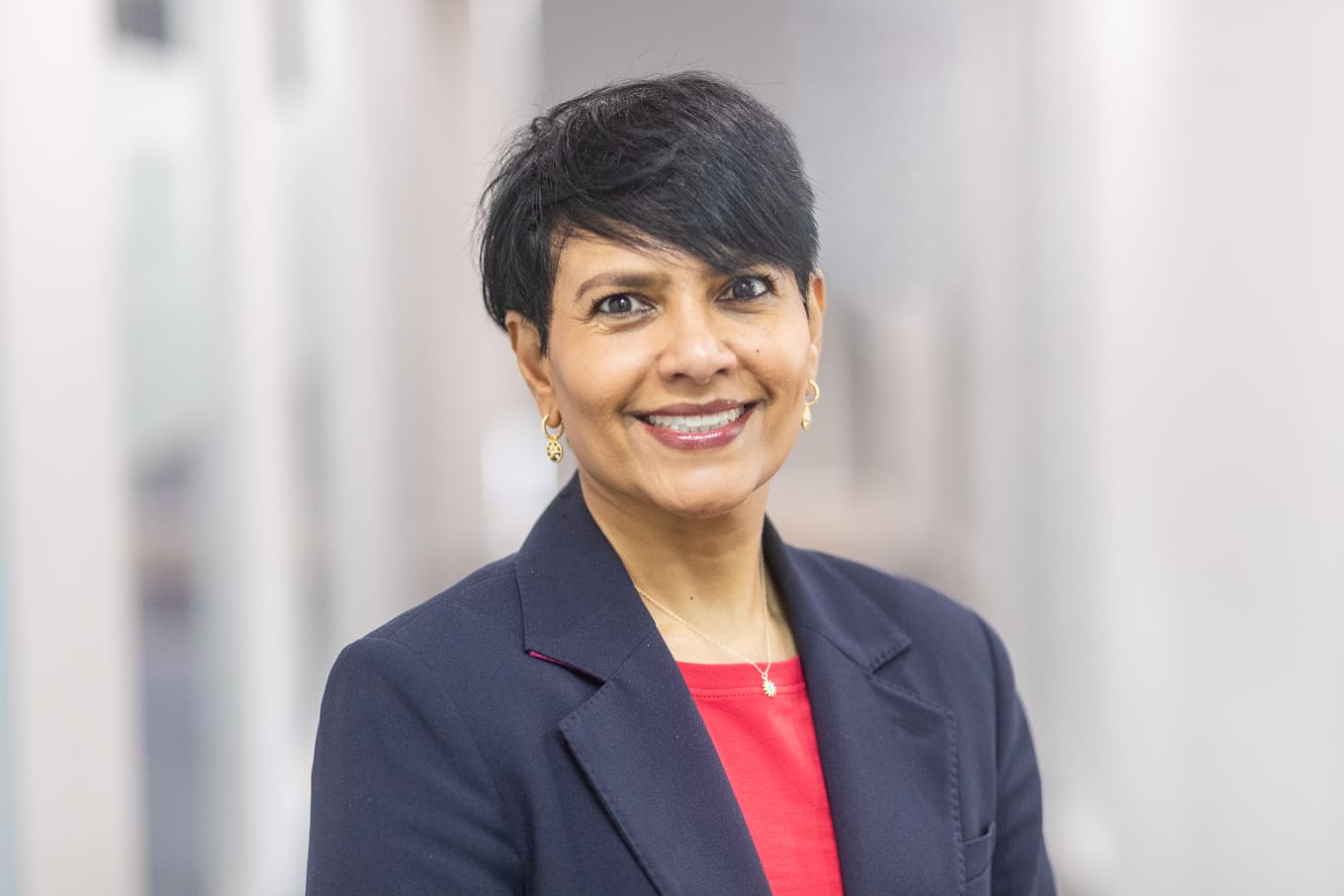
Suraya Hamdulay, Corporate Affairs Director, Mars Southern Africa. Picture Credit: Supplied
By Aisha Zardad
This week on Timeless Beauty with Brains, we had the privilege of speaking with Suraya Hamdulay, Corporate Affairs Director at Mars Southern Africa. Progress rarely moves in a straight line. It weaves together past experience and emerging energy, linking lessons learned with new ideas. Mentorship forms the bridge that helps young people understand where they come from, recognize the possibilities ahead, and grow into leaders who rise through service rather than status. It shapes a culture where success is measured by the lives lifted, the knowledge shared, and the communities strengthened. Mentorship becomes more than guidance, it becomes a foundation for collective growth, a living legacy that equips each generation to navigate challenges, seize opportunity, and create lasting impact.
Aisha Zardad: Why is mentorship a cornerstone for building thriving, resilient communities?
Suraya Hamdulay: Mentorship expands what young people see as possible. It connects lived experience with ambition, providing guidance that translates potential into meaningful action. At Mars, investing in mentorship builds confidence, shared responsibility, and practical problem-solving skills, strengthening not just individual capability but the long-term resilience of communities. Mentorship creates intergenerational dialogue, ensuring knowledge, values, and lessons are transmitted and adapted across time. Communities flourish when experience circulates and informs the next generation.
AZ: How did the guidance you received shape your perspective on leadership?
SH: My mentors showed me that leadership anchored in service creates enduring impact. By sharing lessons and missteps, they taught that success is something to be circulated, not hoarded. At Mars, mentorship is embedded into community engagement, helping young people understand that growth is both personal and collective. Development contributes to the broader community, and the act of guidance becomes a shared responsibility, fostering a culture where service, learning, and opportunity intersect.
AZ: How does mentorship differ from sponsorship?
SH: Mentorship is relational. It builds confidence, skill, and resilience. Sponsorship is positional, it gives someone a platform to act, elevates their work, and provides visibility. Combining mentorship and sponsorship strengthens community pipelines. Young leaders gain capability while being positioned to contribute meaningfully. This creates a virtuous cycle where talent is nurtured and recognized, forming a foundation for sustainable leadership.
AZ: How can coaching help young people?
SH: Coaching provides structured reflection, self-awareness, and practical tools to clarify goals. It teaches young people to recognize their strengths, understand how they respond under pressure, and make deliberate, informed decisions. At Mars, coaching turns potential into a grounded plan, giving emerging leaders confidence to navigate complexity with purpose, resilience, and adaptability. It bridges intention and action, helping young people translate vision into measurable outcomes.
AZ: How can organizations create better pathways for young talent to stay and thrive?
SH: Make staying feel like opportunity. Structured mentorship programs, leadership development initiatives, expanded skills access, and giving young people a voice in decision-making create a sense of belonging. At Mars, this approach retains talent by showing that contribution is valued, and growth is achievable locally. When young people see a future that includes them, they engage more deeply, innovate boldly, and help build stronger, more resilient communities.
AZ: What should leaders commit to in 2026, when it comes to mentorship?
SH: The main commitment is to act. I often hear leaders say they’re not prepared or trained to mentor, but mentorship isn’t about having all the answers. It’s about engaging directly with emerging talent, giving guidance, creating opportunities, and sponsoring growth.
At Mars, this means emerging leaders are trusted with responsibility, not just prepared for it. In 2026, mentorship should be practical, measurable, and embedded into daily leadership so developing people is as real and urgent as delivering results.