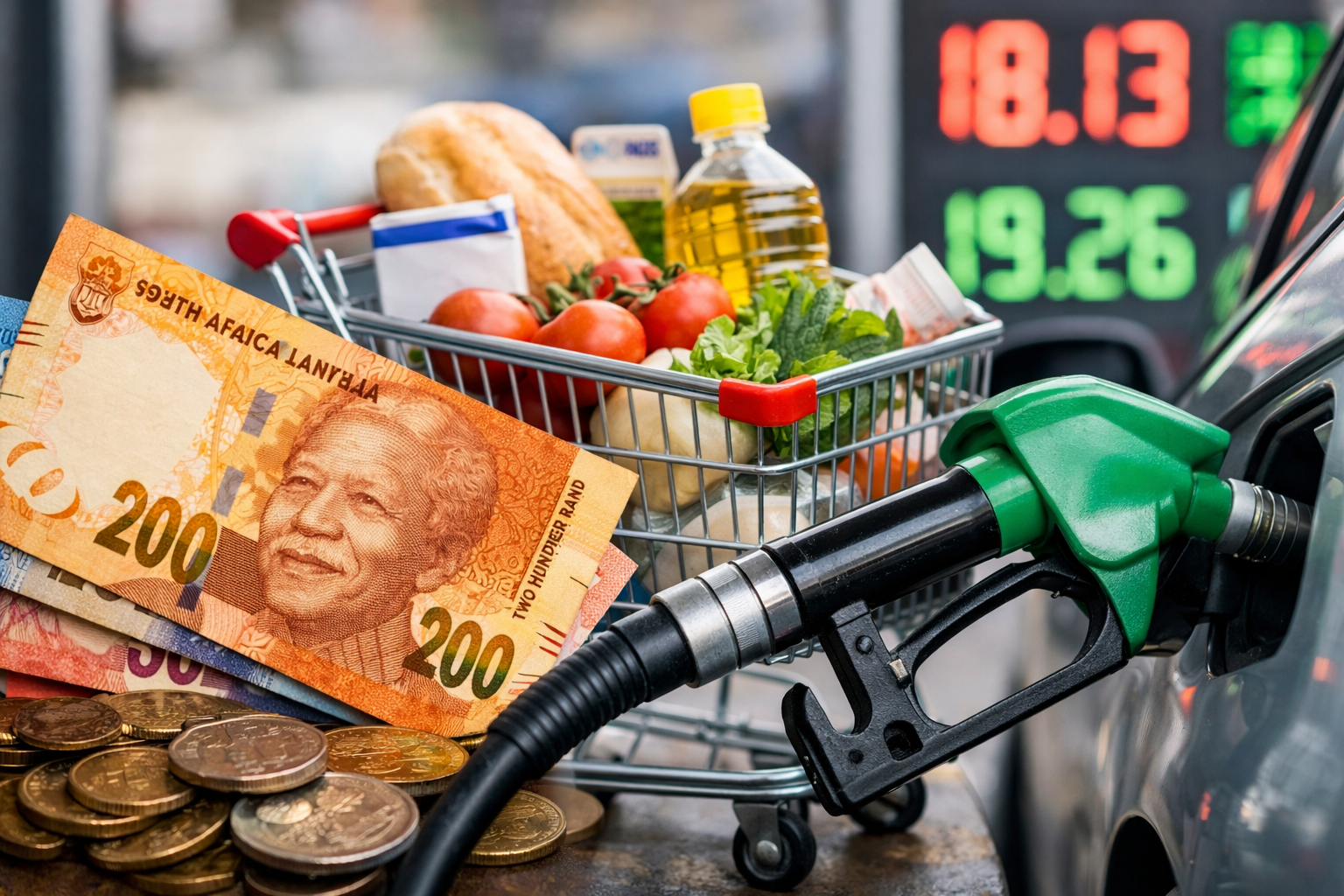
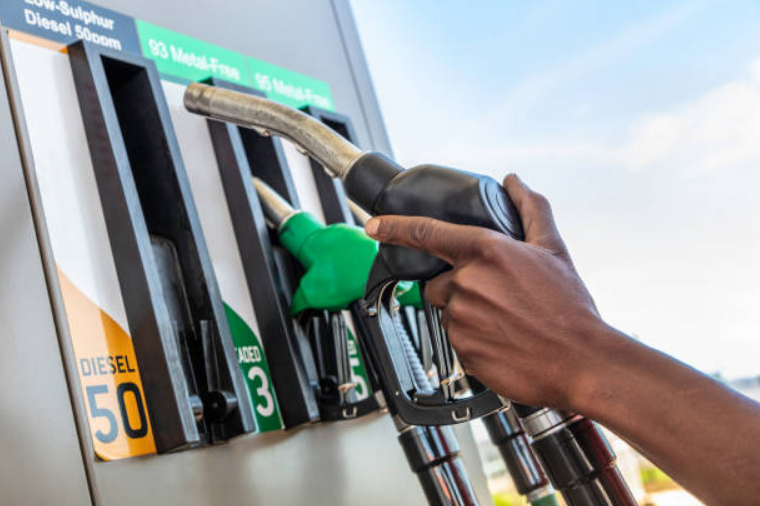
Fuel prices are on the rise in March, with diesel taking the biggest hit while petrol sees a modest increase. Picture Credit: iStock
By Aisha Zardad
South Africa — South Africans are set to see higher fuel costs in March, ending a brief period of relief at the pumps. According to mid-February data from the Central Energy Fund, petrol and diesel prices are projected to rise, with diesel users facing the steepest increases. After price cuts of up to 66 cents per litre in January and February, the small relief enjoyed by motorists appears to be fading.
The projected price changes for March are:
- Petrol 93: ~2 cents per litre
- Petrol 95: ~3 cents per litre
- Diesel 0.05% (wholesale): ~46 cents per litre
- Diesel 0.005% (wholesale): ~48 cents per litre
Fuel prices in South Africa are influenced by a combination of global oil markets, import costs, currency performance, and domestic taxes. In recent weeks, rising international oil prices have pushed petrol and diesel into under-recovery territory, meaning the cost to import and supply fuel is higher than what retailers can charge at the pump. This has been compounded by geopolitical tensions, including ongoing unrest in the Middle East and international oil supply uncertainties, which have contributed to higher crude oil prices globally.
The South African rand has provided some cushioning against these increases, but not enough to fully offset global pressures. From January to mid-February, the rand fluctuated between R15.70/$ and R16.40/$ before settling at around R16.04/$, slightly easing the impact but leaving fuel in under-recovery. These currency shifts illustrate how sensitive local fuel prices are to the rand’s performance against the US dollar.
For diesel users, particularly commercial fleets, taxis, and trucks, the March increases will be especially noticeable. Petrol motorists will see more modest hikes, but the trend indicates that the temporary relief enjoyed earlier this year is now ending. February initially promised a R1.15 per litre cut for petrol, which ultimately materialized as a 65-cent reduction — a sign of the volatility in pricing caused by international market conditions and exchange rates.
Looking ahead, the National Budget, set to be delivered later in February, may further affect fuel prices. Finance Minister Enoch Godongwana could introduce adjustments to fuel levies or other taxes, which would likely take effect in April. Economists have long noted that fuel levies are a relatively straightforward way for the National Treasury to raise revenue, meaning South African motorists could face additional pressure in the coming months if new measures are introduced.
Motorists should also remain aware of global factors that could alter these projections. A reduction in crude oil prices or improvements in geopolitical stability could help limit the impact at the pump. Conversely, further disruptions to supply or a weaker rand could lead to even higher increases than currently projected.
Overall, while the March petrol increases are small and may barely be noticeable to everyday motorists, diesel users will likely feel the impact more acutely. The latest projections underscore the continuing sensitivity of South Africa’s fuel market to both global and domestic factors, leaving motorists with a mixed outlook in the weeks ahead.ns, including possible changes to fuel levies in the upcoming National Budget.