
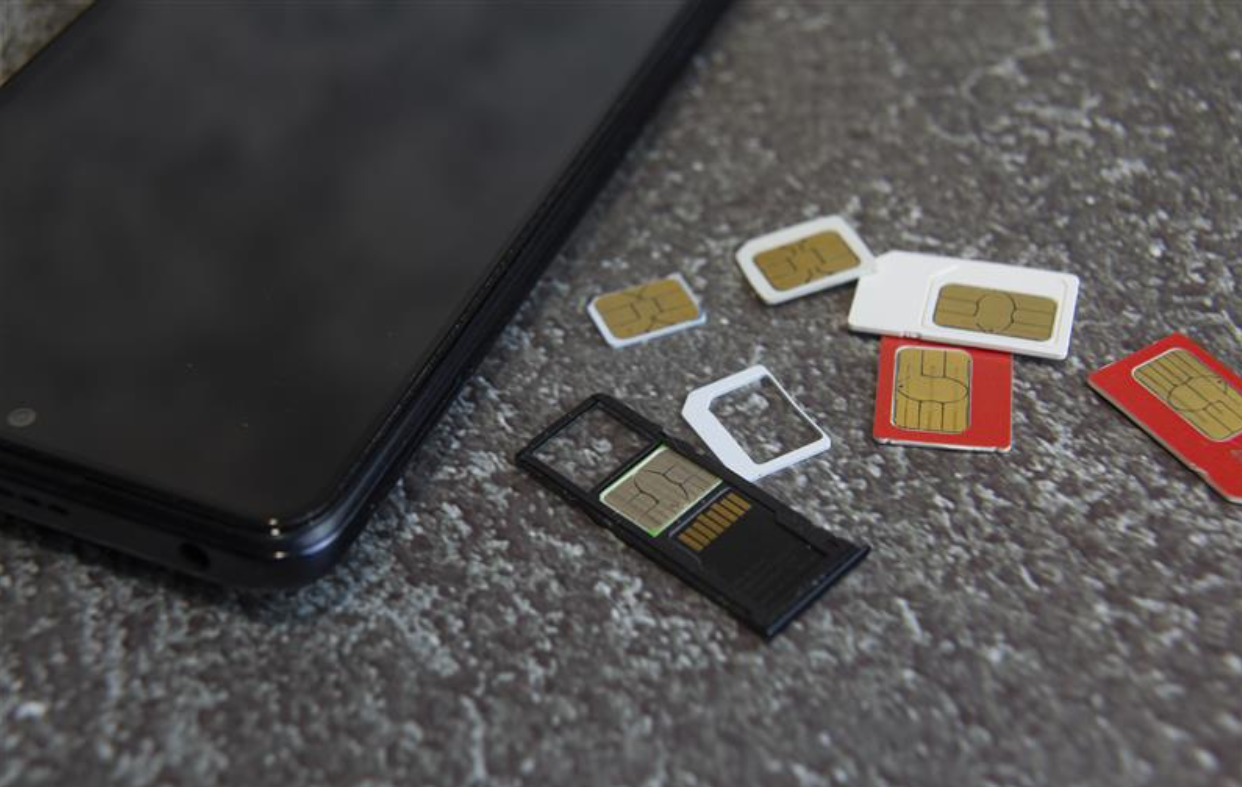
South Africa’s Department of Justice plans major reforms to the SIM card registration process to curb fraud and enhance national security, with enforcement set to begin 1 July. Picture Credit: Torfx
By Aisha Zardad
South Africa – The Department of Justice and Constitutional Development is planning major changes to the SIM card registration process in South Africa in an effort to combat fraud and criminal activity linked to weaknesses in the current system.
On 26 March 2026, an urgent meeting was held by Minister Mmamoloko Kubayi, uniting ministers, directors-general from the Justice, Crime Prevention, and Security Cluster, and key figures from telecommunications, including CEOs, regulators, and licensees.
The meeting followed growing concerns that gaps in the registration process are undermining national security and enabling serious crimes, including banking fraud, cash-in-transit heists, extortion, contract killings, and kidnappings.
Despite existing provisions under the Regulation of Interception of Communications and Provision of Communication-Related Information Act, many SIM cards remain unregistered or incorrectly registered. Presentations at the meeting highlighted systemic and operational challenges, including loopholes in Section 40 of RICA and bulk registrations using false information.
“These challenges have, in some cases, limited the ability of law enforcement agencies to effectively trace suspects and utilise lawful interception measures,” the justice department said. “In addition, such gaps contribute to risks related to SIM cloning, identity theft, cybercrime, and money laundering.”
Attendees agreed that RICA requires review and strengthening to keep pace with technological developments and evolving criminal tactics. “Stakeholders expressed support for a comprehensive and consultative process to ensure that the legislation remains effective, practical, and responsive to current realities,” the department added. Among proposals was an audit of the existing SIM card database to address non-compliance.
Minister of Home Affairs Leon Schreiber stressed the importance of enhancing verification processes, especially for SIM cards issued to foreign nationals. He noted that systems already used in the banking sector could support real-time identity verification, while the Digital Identity framework could improve SIM card traceability.
The department also highlighted existing legal penalties for non-compliance. “The law already prescribes penalties of up to R5 million or imprisonment of up to 10 years for non-compliance,” it said. “The minister indicated that enforcement should commence from 1 July.” Enforcement will involve a coordinated approach with SAPS the National Prosecuting Authority.
Kubayi’s department highlighted the existing legal and policy framework, including compliance requirements, offences, and penalties. “The meeting noted the importance of strengthening enforcement and ensuring that the regulatory framework keeps pace with technological developments, including the emergence of eSIM technologies,” the department said.
The minister noted that progress on these interventions will be tracked and reported as part of ongoing Cabinet updates, ensuring transparency and accountability in the implementation of the new measures.
The minister made it clear that enforcement of current legal provisions will be strengthened. “The law already prescribes penalties of up to R5 million or imprisonment of up to 10 years for non-compliance,” the department added. “The minister indicated that enforcement should commence from 1 July.”