Public feedback has closed on South Africa’s proposed migration reforms, with officials promising legislative changes to improve citizenship and refugee processes. Picture Credit: MoneyWeb
By Aisha Zardad
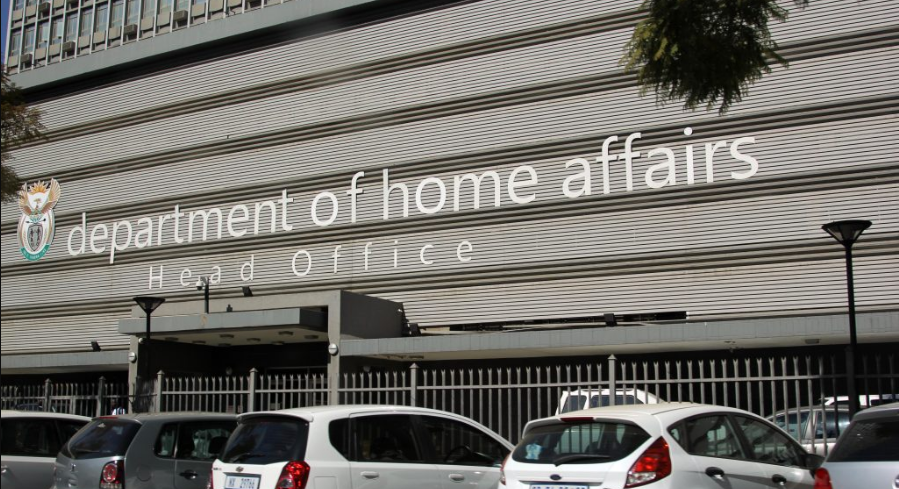
South Africa — The Department of Home Affairs is pushing forward a major overhaul of South Africa’s migration policies, a reform that could reshape how citizenship and asylum are administered in the country. The public consultation phase for the proposed policies has now concluded.
The reform process began several years ago with the publication of the White Paper on International Migration, aimed at updating policies to align with global standards and address gaps in the 2002 immigration laws.
Department spokesperson Thulani Mavuso explained that the revisions are designed to tackle emerging challenges around citizenship and refugee protection, including abuses of existing immigration frameworks.
“We wanted to delink the acquisition of citizenship from immigration status,” Mavuso said, referring to new legislation intended to create a more coherent framework for citizenship and migration.
The initiative gained momentum in 2019, when officials recognised the need to address complexities introduced by refugee status. Mavuso encouraged the public to submit written input before the consultation deadline.
“Today is the last day for us to receive written public inputs on the White Paper,” he confirmed.
Despite these efforts, some stakeholders remain concerned about the pace and transparency of the reforms. Jacinta Ngobese-Zuma, founder of the social advocacy group March and March, criticised the prolonged delay in initiating the dialogue, which began under former Minister of Home Affairs Aaron Motsoaledi.
“It revealed to South Africans that the process of policymaking often doesn’t resonate with the everyday realities faced by people,” she said.
Ngobese-Zuma also raised concerns about recent developments, including a court ruling allowing husbands to adopt their wives’ surnames, which she said occurred without adequate public consultation. She highlighted frustrations with how Home Affairs operates, pointing to the integration of refugees into communities without consultation.
“We have found ourselves being integrated forcefully with refugees in the country. There are no refugee camps. We were not consulted on that,” she said.
In response, Mavuso clarified that the surname ruling was a court decision, not departmental policy. He acknowledged concerns over refugee management, noting that some individuals exploit the asylum system.
“Almost 95% of asylum applications are rejected on the basis that they are maliciously unfounded,” Mavuso explained, advocating for tighter controls to prevent economic migrants from abusing refugee frameworks.
Additional reforms include streamlining the refugee appeals process to speed up decisions while ensuring fair assessments, maintaining border integrity, and protecting South African jobs. The department emphasised that these measures aim to prioritise citizens and ensure immigration pathways meet genuine skills needs.
With the consultation phase now closed, the department said it will analyse public input and translate it into detailed legislative reforms.
Mavuso stressed the government’s responsibility to engage the public on policies affecting South Africans’ interactions with foreign nationals.
“The intent behind this consultation arises from recognition of the complex lived experiences South Africans face while coexisting with foreign nationals,” he said, noting that the current Refugee Act presents challenges and has not served the country well. “There are lessons learned from that particular process,” he added, highlighting the importance of public input in shaping reforms.
Ngobese-Zuma, however, questioned the government’s commitment to meaningful consultation, criticising its reliance on judicial rulings to guide policy.
“As a government, you are the decision-makers, not the courts,” she said. She called on officials to take a more proactive role in shaping asylum and refugee law rather than reacting to litigation, warning that broad constitutional interpretations create inconsistencies in policy implementation.