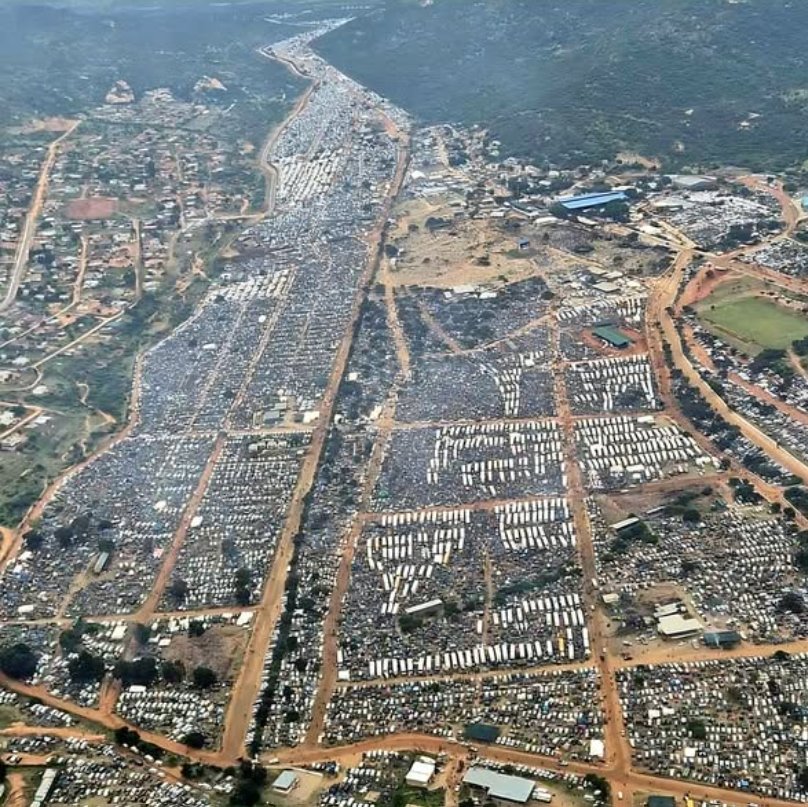

Heavy rains forced the closure of Pafuri and Giriyondo gates, with park authorities monitoring river levels to ensure visitor safety. Picture Credit: The South African
By Aisha Zardad
South Africa – South Africa’s Kruger National Park temporarily closed two of its main entry gates over the weekend after heavy rains caused swelling rivers and flooding along key access points. Pafuri and Giriyondo gates were closed to ensure visitor and staff safety, while park management closely monitored water levels and road conditions. The park authorities emphasised that the closures are precautionary measures, with staff patrolling affected areas and providing real-time updates to travellers.
JP Louw, spokesperson for SANParks, said: “We continuously monitor river levels, and the safety of our visitors and staff is always the top priority. Both Pafuri and Giriyondo gates have been temporarily closed due to high water levels and localized flooding. Visitors are advised to use alternative entrances and adhere strictly to all safety signage.” Louw confirmed that other gates, including the Crocodile Bridge and Phabeni gates, remain operational. He also noted that several low-lying roads within the park were temporarily closed to prevent accidents.
The heavy rains follow a weekend weather system that delivered above-average precipitation across Limpopo and Mpumalanga provinces. The South African Weather Service (SAWS) reported that certain regions within the northern section of the park received over 75mm of rainfall in 24 hours, significantly raising river levels and causing localized flooding. Authorities warned that waterlogged terrain could present hazards such as slippery roads, submerged tracks, and unpredictable currents, making access to remote camps unsafe until conditions stabilise.
SANParks advised visitors planning trips to the northern section of the park to adjust their itineraries and to use alternative entry points, such as Punda Maria, Phalaborwa, or Phabeni gates, which remain safe for access. Guests who had bookings at camps near the closed gates were contacted directly, with park staff assisting in relocating visitors to alternative accommodations. Louw stressed: “We understand that closures may disrupt travel plans, but these measures are necessary to ensure the well-being of everyone in the park.”
Tourism operators in the region also welcomed the clear communication from SANParks, noting that early warnings and transparency help prevent accidents and protect visitors. Seasonal rainfall in Kruger is not unusual, but climate variability has caused an increase in intensity and frequency of heavy downpours, raising the need for robust monitoring and response protocols.
Apart from the closures, SANParks reminded visitors that wildlife continues to move freely, and temporary road closures do not affect animal viewing opportunities elsewhere in the park. Camp managers and rangers remain on high alert, ready to respond to any emergencies, while weather forecasts continue to be updated regularly.
As the situation stabilises, authorities will reopen affected gates once river levels drop to safe thresholds and roads are cleared. Meanwhile, visitors are encouraged to stay informed via official SANParks channels, follow all safety instructions, and plan for possible delays during peak rainfall periods. SANParks reaffirmed that safety measures and proactive communication remain its highest priority, balancing conservation goals with visitor experience.