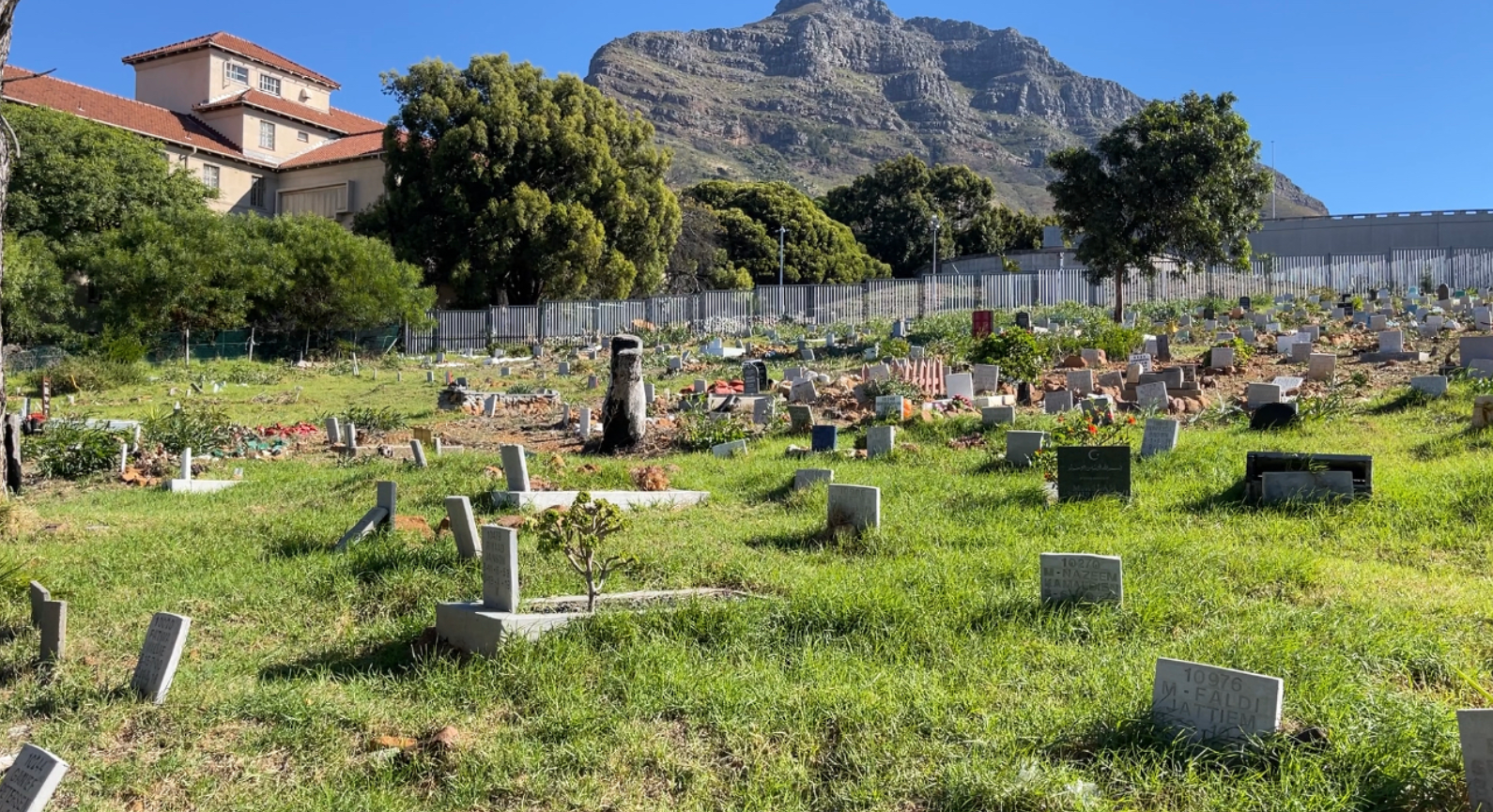

A new analysis finds South Africa’s minimum wage still falls short of covering basic household costs, highlighting ongoing struggles for low-income earners. Picture Credit: Islands
By Aisha Zardad
South Africa — A new report has concluded that South Africa’s national minimum wage is currently insufficient to cover basic household needs, underlining persistent challenges faced by low-income workers in meeting essential expenses as the cost of living continues to rise.
The study, conducted by research group Benchmark Foundation in collaboration with economic analysts, found that the minimum wage — currently set at R25 per hour — falls short of what many households require for food, housing, transport and other fundamental costs.
According to the report, a realistic basic needs wage for a typical South African household — defined as two adults and two children — is significantly higher than the minimum statutory level. The foundation’s analysis shows that the amount needed to cover essential expenditures continues to climb as inflationary pressures affect consumer prices across key categories.
Benchmark CEO Kathy van Dyk said the findings were stark and reflect a widening disconnect between statutory earnings and the true cost of living.
“Our research indicates that while the minimum wage provides a critical baseline, it does not align with the actual cost of raising a family in South Africa today,” van Dyk said. “Households earning the current minimum wage are often forced to make difficult trade-offs between food, shelter and other necessary services.”
The report factored in living costs such as basic groceries, utilities, rent for modest accommodation, transport, and education-related expenses for children — all of which have shown notable increases in recent months. Van Dyk said that while the minimum wage has been gradually adjusted over time, growth in living costs has outpaced wage increases, leaving many households struggling to stay afloat.
Trade unions welcomed the report’s conclusions, saying it provides credible data to support long-standing calls for a review of the minimum wage. Congress of South African Trade Unions (Cosatu) spokesperson Sizwe Maphumulo said workers need compensation that reflects current economic realities.
“This report confirms what workers experience daily,” Maphumulo said. “Minimum wage levels must be aligned with basic needs if we are serious about reducing poverty and inequality in South Africa.”
Business representatives acknowledged challenges but cautioned that sharp increases to the minimum wage could affect business sustainability, particularly for small- and medium-size enterprises (SMEs). South African Chamber of Commerce and Industry (SACCI) economist Dr Annelize Petersen said wage adjustments are necessary, but need to be balanced with broader economic conditions.
“We recognise the plight of low-income workers,” Petersen said. “However, employers are already grappling with higher input costs, energy instability, and slow economic growth. Wage policy reform must be considered within that wider context.”
The report also highlighted regional disparities in living costs, noting that urban centres such as Johannesburg, Cape Town and Durban exhibit higher household expenses, further stretching low-income budgets. Rural areas, while slightly less expensive, still present affordability challenges due to limited access to services and transport.
Government officials have previously indicated that wage policy is under ongoing review, with input from labour, business and civil society stakeholders. The Department of Employment and Labour said it engages regularly with experts to assess minimum wage impacts and the feasibility of adjustments, although no formal changes have been announced.
The findings of this report are expected to reignite debate over wage policy in the months ahead, especially as advocacy groups, unions and consumer organisations continue to push for more comprehensive income support mechanisms.