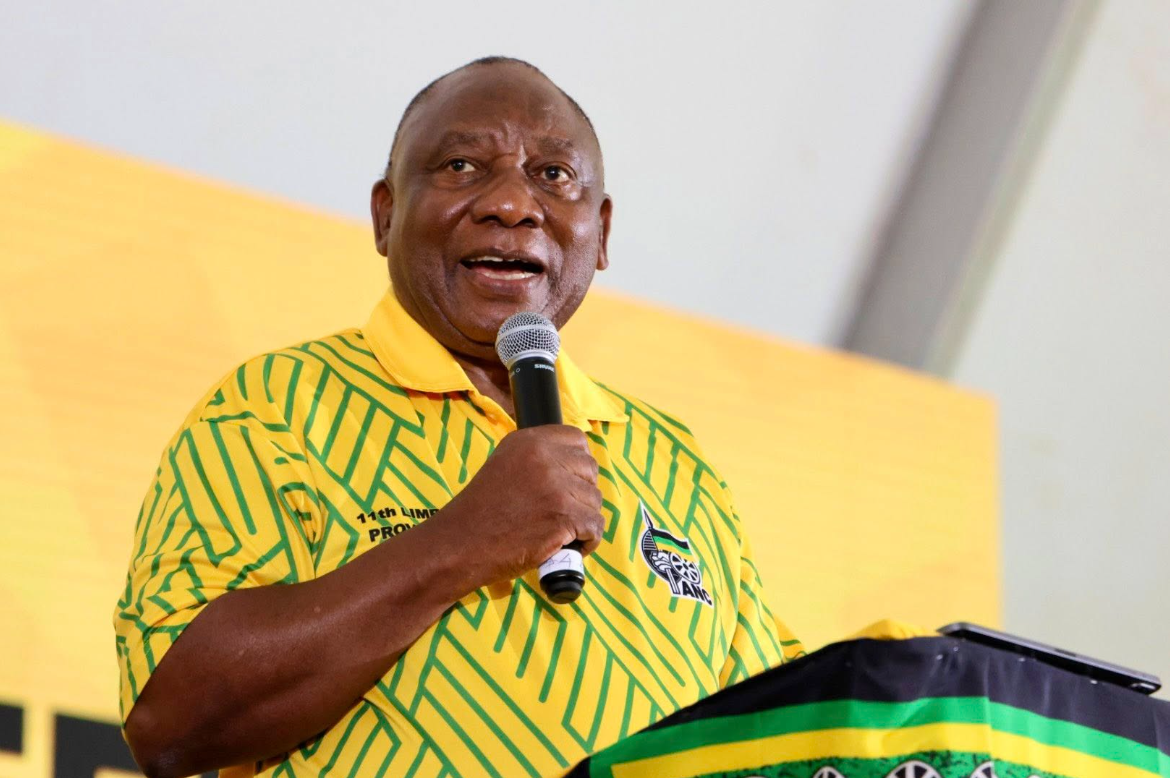

President Ramaphosa reflects on 2025, highlighting progress amid ongoing challenges. Picture Credit: Facebook
By Aisha Zardad
South Africa – President Cyril Ramaphosa has described 2025 as a year of measured progress mixed with enduring difficulties, saying South Africa has taken important steps forward while continuing to grapple with deep-rooted structural and social challenges.
In his year-end reflections, Ramaphosa acknowledged that while government interventions have stabilised certain sectors, many South Africans are still feeling the strain of economic pressure, service delivery failures, and high unemployment. The president said the year served as a reminder that progress is often uneven and requires sustained effort, cooperation, and accountability.
Ramaphosa pointed to improvements in energy availability as one of the notable gains of 2025, following years of crippling load shedding. Increased private-sector participation, renewable energy projects, and reforms within Eskom helped reduce the frequency and severity of power outages, easing pressure on households and businesses. While not declaring the energy crisis fully resolved, the president said the country had moved from crisis management to longer-term recovery planning.
Economic recovery efforts also featured prominently in Ramaphosa’s assessment. He highlighted infrastructure investment, public-private partnerships, and initiatives aimed at supporting small businesses as key drivers of job creation. However, he conceded that unemployment remains stubbornly high, particularly among young people, and that economic growth has not yet translated into broad-based prosperity for many communities.
On governance, the president reaffirmed government’s commitment to fighting corruption and strengthening state institutions. He noted progress in implementing recommendations from commissions of inquiry and improving oversight mechanisms, but admitted that public trust remains fragile. Ramaphosa said rebuilding confidence in government would require visible consequences for wrongdoing and improved service delivery at local and provincial levels.
Social challenges also weighed heavily on the year’s reflections. Persistent inequality, rising living costs, crime, and pressure on public services such as healthcare and education continued to affect millions of South Africans. Ramaphosa acknowledged that many households felt left behind despite policy reforms, stressing that government must do more to ensure that progress is felt at community level, not just reflected in statistics.
The president also emphasised South Africa’s role on the global stage, citing diplomatic engagements, economic partnerships, and efforts to attract investment in a difficult international environment. He said maintaining stability at home remains essential to strengthening the country’s standing abroad.
Looking ahead to 2026, Ramaphosa called for renewed unity and shared responsibility, urging citizens, business, labour, and civil society to work together to overcome the country’s challenges. He said the lessons of 2025 underline the importance of consistency, ethical leadership, and inclusive growth.
While acknowledging frustrations and setbacks, Ramaphosa maintained that South Africa has the capacity to move forward. “Progress is rarely linear,” he said, adding that resilience, cooperation, and accountability would determine whether the gains made are sustained in the years ahead.