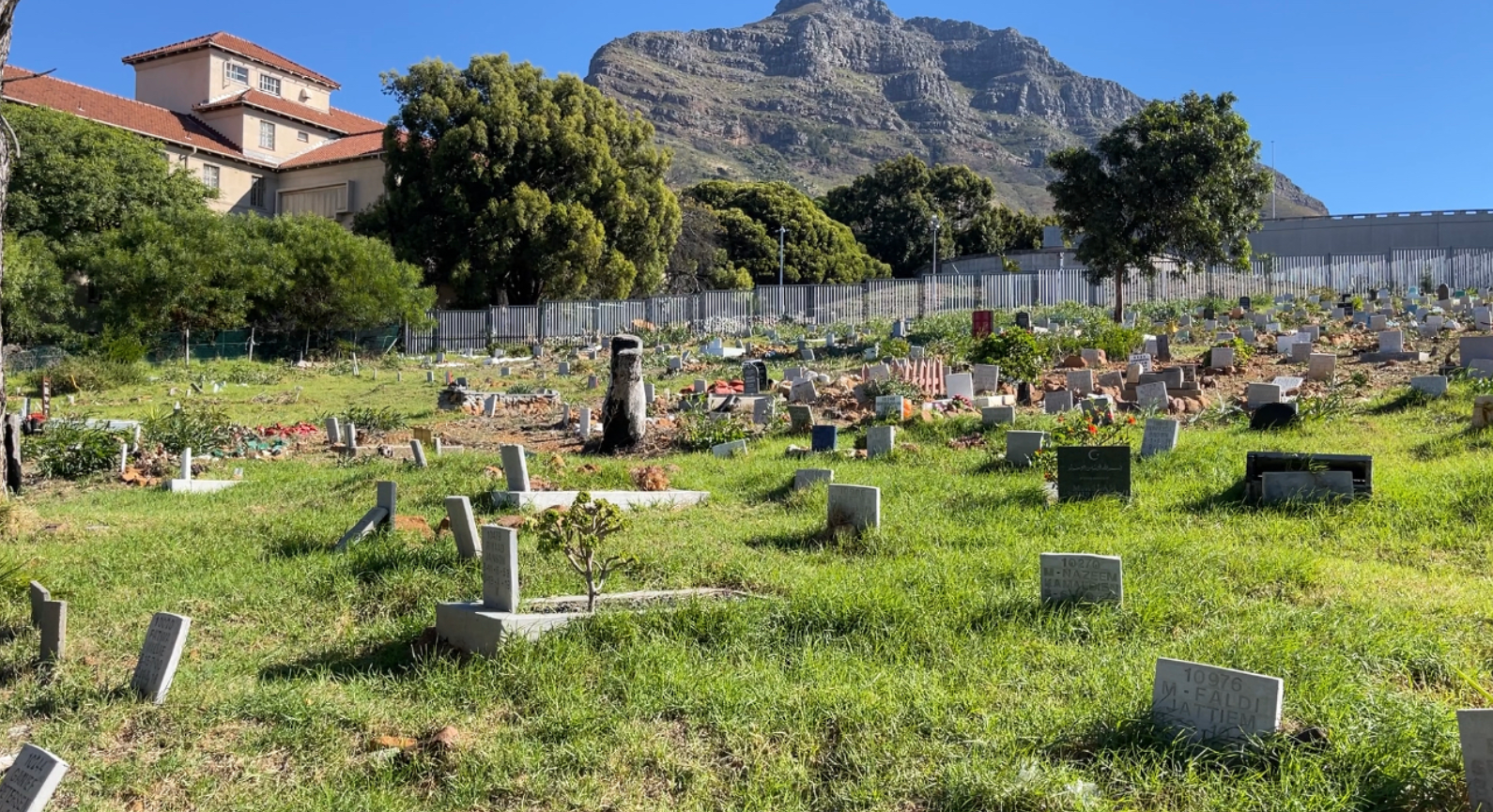

As Ramadan concludes, Muslims reflect on a month of faith, discipline, and growth — carrying its lessons forward beyond the fast. Picture Credit: Mybestvenue
By Aisha Zardad
South Africa —As the final fast is broken and the month of Ramadan comes to a close, millions of Muslims pause — not just in relief, but in reflection.
For 30 days, life moved differently. Days were shaped by discipline, nights by prayer, and every moment carried a deeper sense of purpose. Now, as the holy month ends, what remains is not just the memory of fasting — but the question of what comes next.
Ramadan is often described as a time of sacrifice, but for many, it becomes something far more personal. It is a period of realignment — a return to faith, to family, and to the values that often get lost in the pace of everyday life. From early morning meals before sunrise to quiet prayers late into the night, the month reshapes habits and priorities in ways that are difficult to replicate at any other time of the year.
The Qur’an captures the essence of this journey: “O you who have believed, fasting has been prescribed for you… that you may attain righteousness” (Al-Baqarah 2:183). As Ramadan concludes, that purpose becomes clearer — it was never just about abstaining, but about transforming.
Across homes and communities, the end of Ramadan is marked by mixed emotions. There is relief after weeks of physical restraint, but also a quiet sadness as a spiritually charged time comes to an end. The routines that once felt demanding — waking before dawn, fasting through long days, standing in extended prayer — now feel like something to be missed.
For many, the final day of Ramadan bring a deeper sense of awareness. Not everyone who began the month is here to see its end. Families carry memories of loved ones who once shared these moments — sitting at the table, leading prayers, or simply filling the home with their presence. Their absence is felt most in these closing days, turning reflection into something more personal, more profound.
At the heart of Ramadan is not just individual growth, but collective responsibility. Acts of charity increase, communities come together, and generosity becomes second nature. The giving of Zakat al-Fitr before Eid reinforces this principle — ensuring that even the most vulnerable can take part in the celebration that follows.
The teachings of the Prophet Muhammad (PBUH) emphasise this balance between worship and community. He encouraged believers to conclude Ramadan with sincerity, to seek forgiveness, and to carry forward the values developed during the month. It is a reminder that Ramadan is not an isolated period, but a foundation for the months that follow.
As the month closes, attention begins to shift toward Eid. Homes quietly prepare — clothes are set aside, meals are planned, and children eagerly anticipate the celebrations ahead. But beyond the excitement, Eid represents something deeper. It is not simply the end of fasting, but the culmination of a spiritual journey.
It is a day shaped by gratitude.
Gratitude for the strength to complete the fast.
Gratitude for the opportunity to grow.
Gratitude for the chance to begin again.
Yet even as Eid approaches, Ramadan leaves behind a lasting question: what will remain once the month is over?
Will the patience built during fasting continue in daily life?
Will the prayers maintained during long nights remain consistent?
Will the generosity shown to others become a permanent habit?
These are the measures by which Ramadan is truly defined — not by how it begins, but by what it leaves behind.
As Muslims step out of Ramadan and into Eid, they carry more than just memories of the past month. They carry lessons in discipline, compassion, and faith — lessons that, if held onto, have the power to shape the year ahead.
Ramadan may have come to an end, but its impact is not meant to fade. Instead, it lingers — in quieter hearts, stronger faith, and a renewed commitment to living with purpose.
And in that, the true meaning of Ramadan is fulfilled.