
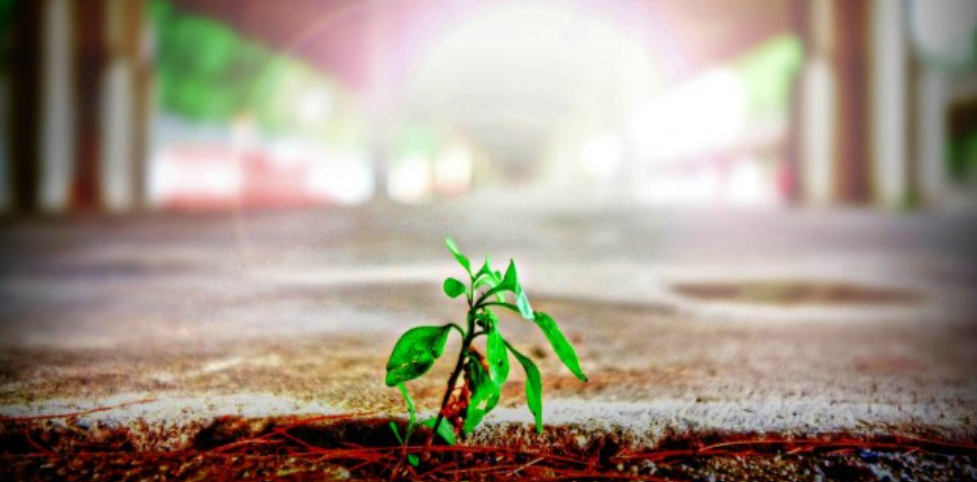
Growth sometimes asks a difficult question: What if the things that once fit your life no longer fit the person you’re becoming? Outgrowing something isn’t failure. It’s evolution. Picture Credit: JaysonGaddis
By Aisha Zardad
Growth is often celebrated as something uplifting and inspiring. We imagine personal development as a journey filled with breakthroughs, motivation, and clarity. What is spoken about less often is the quieter, more complicated truth: growth can also create distance. As your awareness expands and your values evolve, certain people, environments, and patterns may begin to feel different than they once did.
This experience can be deeply confusing. Relationships that once felt natural may begin to feel draining. Habits that once felt harmless may start to feel misaligned. Even familiar environments — workplaces, social circles, routines — may no longer provide the same sense of belonging they once did. When this shift happens, many people question themselves. They wonder if they are being too sensitive, too critical, or too distant.
But what you may actually be experiencing is a natural stage of personal evolution.
Outgrowing something does not mean it was wrong for you in the past. It simply means that the person you are becoming no longer fits comfortably inside the same structure. Just as children eventually outgrow clothes that once fit perfectly, our emotional and psychological lives evolve beyond certain relationships, roles, and behaviours.
One of the most common areas where this appears is in friendships and social dynamics. As you begin to prioritize emotional awareness, self-respect, or personal growth, you may notice that some conversations revolve around negativity, gossip, or patterns that no longer resonate with you. Interactions that once felt entertaining may begin to feel exhausting.
This does not necessarily mean the people around you are doing something wrong. Often, it simply means that your priorities are changing.
The same shift can happen with environments. A workplace that once felt exciting may begin to feel limiting. A social routine that once provided comfort may begin to feel repetitive or unfulfilling. When growth creates this sense of misalignment, it can bring a mixture of emotions — curiosity about new possibilities, but also guilt, nostalgia, and uncertainty about what to do next.
Many people stay in environments that no longer support them because leaving feels uncomfortable. Familiarity provides a sense of safety, even when it is no longer energizing. The idea of change can bring fears about disappointing others, creating conflict, or stepping into unknown territory.
Yet personal growth often requires a willingness to acknowledge these changes honestly.
Another important dimension of outgrowing involves patterns within ourselves. Certain coping mechanisms, habits, or emotional responses may have once served as protection. Avoiding difficult conversations, overworking to gain approval, or staying quiet to keep peace may have helped you navigate earlier chapters of your life. But as your self-awareness grows, those same patterns may begin to feel restrictive rather than protective.
Recognizing these patterns can be both empowering and uncomfortable. It requires admitting that parts of your past identity were shaped by survival strategies rather than genuine alignment. It also requires the courage to experiment with new behaviours that feel unfamiliar at first.
Outgrowing patterns does not mean rejecting your past self. It means honoring the role those strategies played while acknowledging that they are no longer necessary.
One of the most compassionate ways to navigate this stage of growth is to approach it with patience rather than urgency. Not every relationship must end immediately. Not every environment must change overnight. Sometimes the first step is simply adjusting how you participate. You may begin setting clearer boundaries, limiting certain conversations, or creating space for new interests and experiences.
Over time, these small adjustments reveal which connections naturally evolve with you and which ones gradually fade.
It is also important to remember that growth does not only involve letting go. It also involves creating space for new relationships, environments, and patterns that align with the person you are becoming. When you begin prioritizing authenticity and emotional awareness, you often attract people who value similar qualities.
The process can feel uncertain at times, but it is also deeply liberating. Each step toward alignment brings greater clarity about what genuinely supports your well-being and what quietly drains it.
Outgrowing people, places, or patterns is not a sign that you are abandoning your past. It is a sign that your life is evolving.
And while the process may require difficult decisions and honest conversations, it also opens the door to a future that reflects your growth more fully.
The question is not whether change will happen. Growth naturally moves us forward. The real question is whether we are willing to recognize when something has served its purpose and allow ourselves to move beyond it with respect, compassion, and courage.
Practice for Today
Take a moment to reflect on areas of your life that may feel misaligned.
Write down three aspects of your life that currently energize you — relationships, environments, or activities that support your growth.
Next, write down three aspects that consistently drain your energy or feel out of alignment with your values.
Consider whether small adjustments could improve these situations. This might include setting boundaries, changing how much time you spend in certain environments, or exploring new activities that reflect your evolving interests.
Growth often begins with small, intentional shifts.
Today’s Reflection
Where in my life do I feel the strongest sense that I am evolving beyond old patterns or environments?
Are there relationships that no longer reflect the values or priorities I am developing?
What emotions arise when I consider creating distance from certain habits, places, or dynamics?
Have I been holding onto something primarily because it feels familiar rather than because it truly supports me?
What new opportunities, connections, or experiences might appear if I allowed myself to grow beyond what feels comfortable?
How can I approach this stage of change with compassion for both my past self and the people who have been part of my journey?
Growth often requires letting go of what once felt normal in order to make space for what truly aligns with the person you are becoming.ext.