

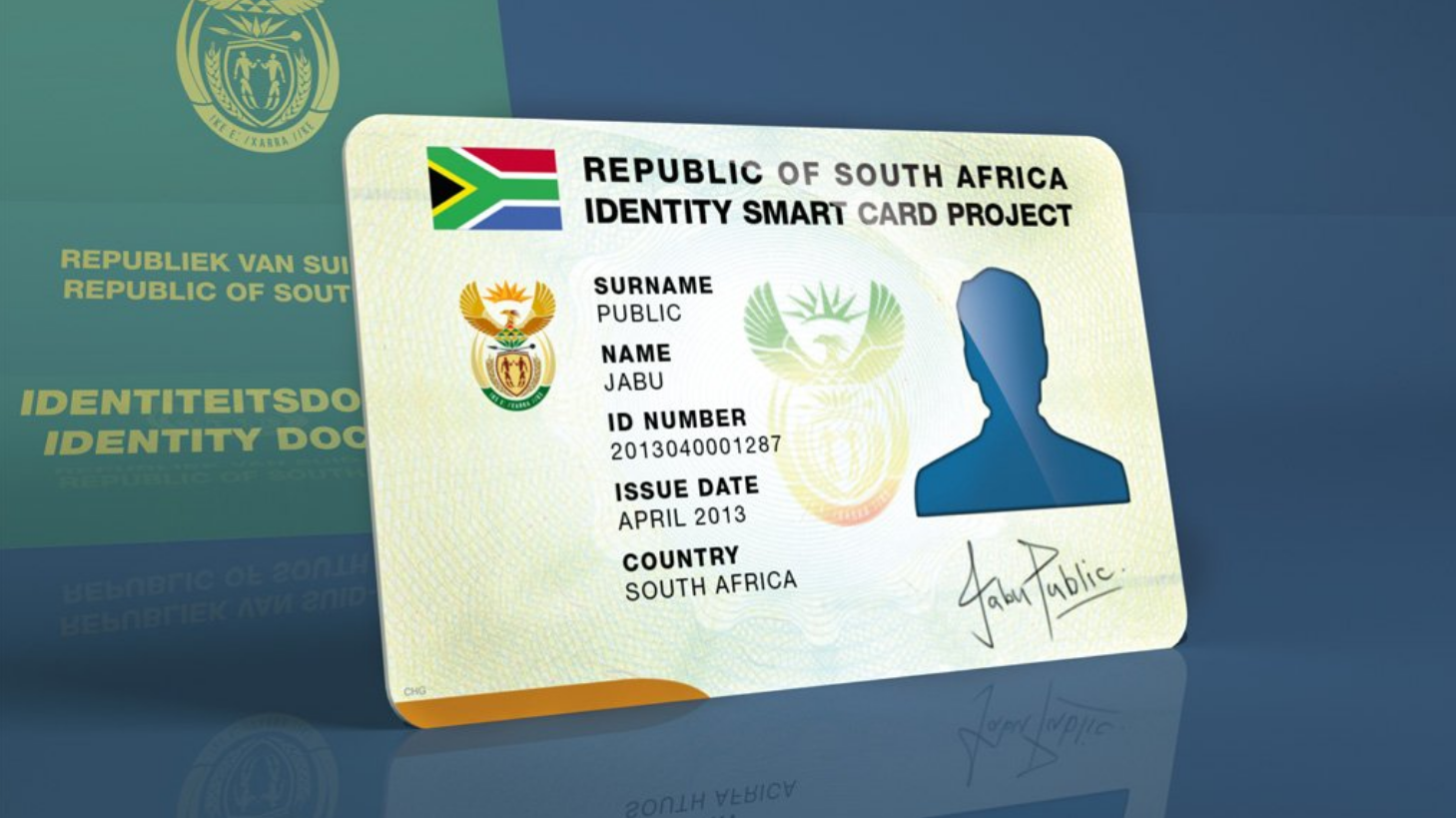
Citizens will soon be able to apply for smart ID cards in as little as three minutes, thanks to Home Affairs’ new digital systems and partnerships with local banks. Picture Credit: Timeless News Achives
By Aisha Zardad
South Africa – Home Affairs Minister Leon Schreiber says 2025 saw smart ID and passport processing times cut by 66.7%, with new systems soon allowing South Africans to apply for a smart ID in just three minutes.
Speaking during the 2026 State of the Nation Address debate, Schreiber credited the dramatic improvements to reforms in the department’s online verification service and upgrades to its internal systems.
“This is what building a capable state looks like in practice,” he said. “This is why we issued a record of four million smart IDs in 2025, a near doubling in efficiency compared to the previous annual average.”
Among the department’s key milestones in 2025 was the development of the first components of a digital ID system. It also launched an electronic travel authorisation platform powered by artificial intelligence and machine learning to strengthen and streamline online visa processing.
In addition, Home Affairs finalised a new digital partnership model with the banking sector, aimed at significantly expanding public access to smart ID cards and passports after years of negotiations.
Addressing Parliament, Schreiber said lawmakers “ain’t seen nothing yet” and promised that “the best was yet to come,” pointing to the full rollout of a digital ID system in 2026.
“Our showpiece reform this year is digital ID,” he said. “With the core biometric technology already live for the citizenship portal, we now shift our focus to building the front-end user interface.”
He explained that a May 2025 ruling by the Constitutional Court of South Africa, which declared Home Affairs’ blocking of millions of IDs unlawful, helped fast-track digital reforms.
“In the past, implementation of this judgment would have required affected people to stand in long queues and fill in mountains of paperwork,” Schreiber said.
“But we rejected the old way of doing things and instead enabled South Africans to verify and confirm the reinstatement of this citizenship online through facial recognition within just one hour.”
Schreiber said the technology developed for that portal now forms a core component of the digital ID system set to roll out in 2026. The system will allow citizens to access key documents via their mobile phones and verify their identities remotely using secure facial recognition.
However, he acknowledged that physical documents such as smart IDs and passports will still be required — and access to these is also being expanded.
Under the new digital partnership model, banks will soon be able to process smart ID applications using their own staff and equipment.
“This will mark the beginning of the end for long queues at Home Affairs,” Schreiber said.
“You will be able to walk into your local bank branch, including in rural and underserved areas, and apply for a smart ID in as little as three minutes.”
While nine banks have signed up to the initiative, only Standard Bank has so far confirmed pilot locations. The bank recently announced it would introduce the service at branches in Maponya Mall, Rosebank and Westgate.
Home Affairs hopes that the expanded rollout of smart ID access in 2026 will ultimately allow it to phase out the green barcoded ID book, which has become increasingly vulnerable to fraud and forgery.
Its good thing our states upgrade
I one to apply for smart ID my name is bernadene windvogel my contact number is 0849978387
My ID number is 9306*********084
Good Afternoon Bernadene,
You would have to go to one of the banks on the list they will assist you there.
I will to apply for smart ID my name is
William Thabang Motsisi my contact number is 0718274803
My ID number is 54031*********088
Good Evening William,
You would have to go to one of the banks on the list they will assist you there.