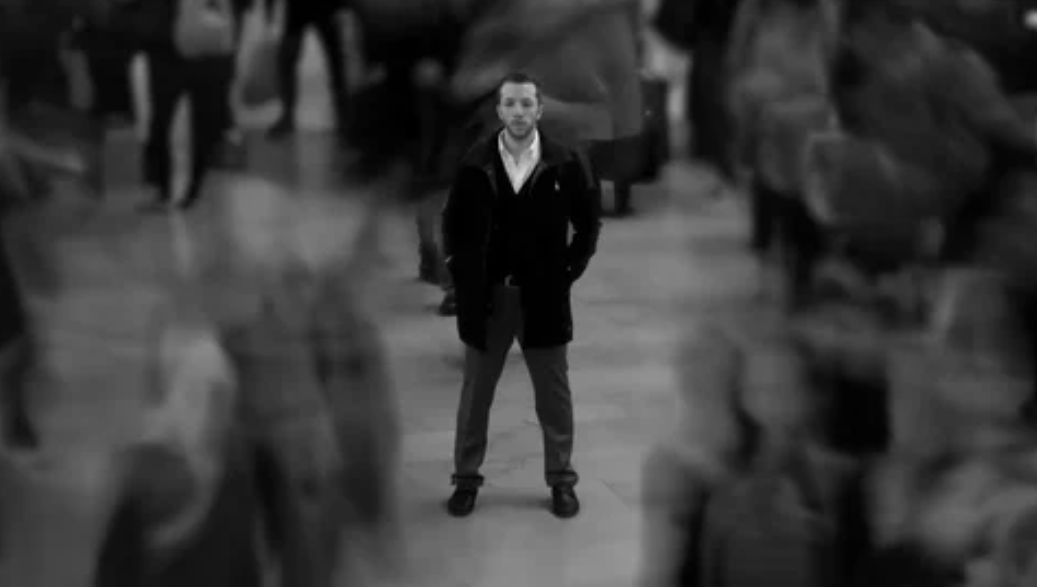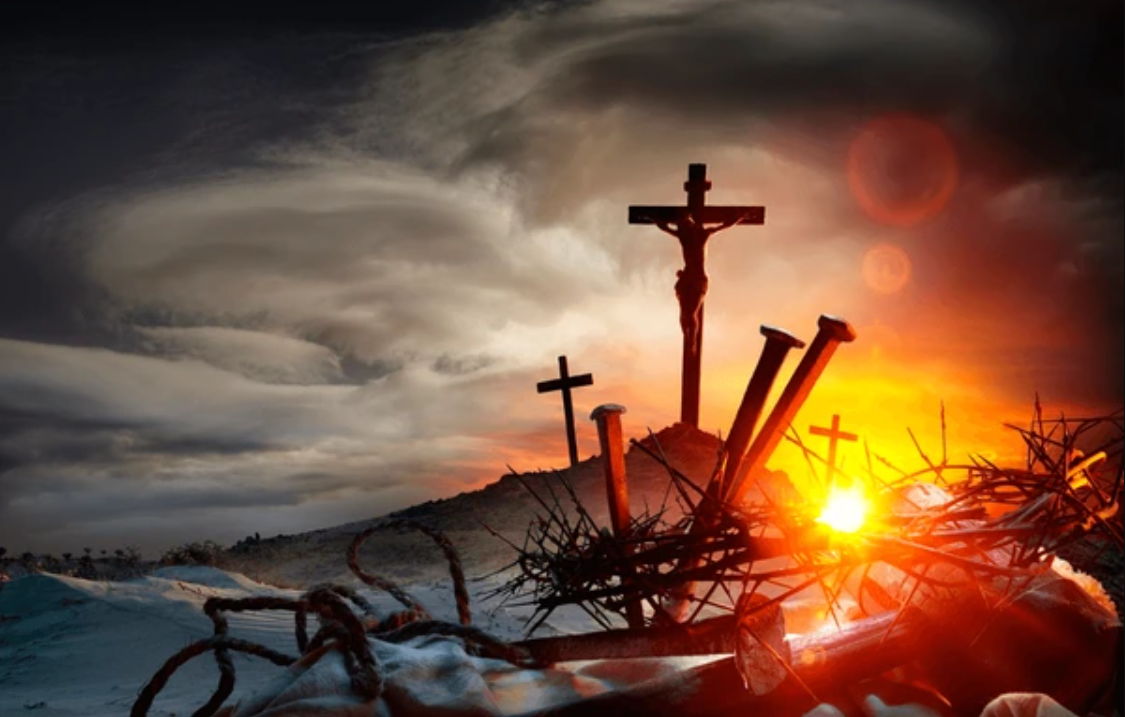
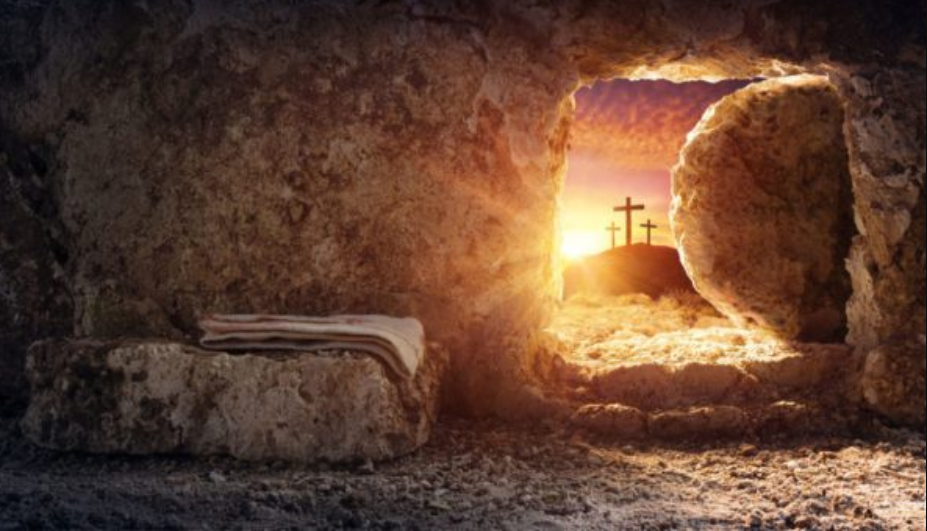
Holy Saturday holds the quiet tension between loss and hope — a sacred pause where faith endures, even when the promise has yet to be revealed. Picture Credit: Pravmir
By Aisha Zardad
Holy Saturday exists in a space that is both deeply uncomfortable and profoundly sacred. It is the day that does not announce itself with the grief of Good Friday or the triumph of Easter Sunday, but instead settles quietly between the two — suspended in silence, wrapped in uncertainty, and marked by the absence of visible movement. It is the day where nothing seems to happen, and yet everything is in motion beneath the surface.
After the crucifixion, the world did not immediately shift into understanding. There was no instant clarity, no visible sign of what was to come. The body of Jesus lay in the tomb, the stone firmly rolled into place, sealing what appeared to be a final chapter. Scripture captures this moment with understated simplicity: “So they went and made the tomb secure by putting a seal on the stone and posting the guard.” (Matthew 27:66). It is a verse that carries weight precisely because of what it does not say. There is no hint of resurrection here, no glimpse of hope breaking through — only stillness, only silence, only the feeling of an ending.
For the disciples and those who had walked closely with Jesus, this was a day of disorientation. Everything they had believed in, everything they had placed their hope in, seemed to have collapsed in a matter of hours. The one they followed, the one they trusted, now lay behind a sealed tomb. The promises they had heard must have felt distant, almost unreachable, overshadowed by the reality of loss. Holy Saturday is where faith is stripped of its certainty and left to exist in the tension between memory and promise.
And yet, this silence is not empty.
There is a quiet, often overlooked truth within Holy Saturday — that God is still at work even when nothing appears to be happening. The stillness is not abandonment, and the silence is not absence. It is a hidden unfolding, a movement that does not seek attention, but carries purpose. What appears final is not final, and what feels like an ending is only a moment within a much larger story.
This is where Holy Saturday becomes deeply personal.
Because we all encounter seasons that feel like this. Moments where prayers seem to echo without response, where clarity feels distant, and where we find ourselves caught between what we have lost and what we are still hoping for. These are the in-between spaces of life — the waiting seasons that do not come with clear timelines or easy answers. They are often quiet, often heavy, and often misunderstood. Yet they are also the spaces where faith is shaped in its most authentic form.
Holy Saturday teaches us that waiting is not wasted. It is not a pause without purpose, but a space where something is being formed within us, even if we cannot yet see it. It is in the waiting that trust is stretched, that patience is refined, and that our dependence shifts from what is visible to what is believed. We are often drawn to moments of breakthrough, to the clarity of resolution, but Holy Saturday reminds us that transformation often begins in the unseen.
There is a gentle but powerful invitation in this day — to remain present in the silence rather than rushing past it. To resist the urge to skip ahead to what we know is coming, and instead allow ourselves to sit in the tension of the moment. It calls us to acknowledge that not every season will make sense while we are living through it, and that faith is not always accompanied by immediate reassurance. Sometimes, faith is simply the quiet decision to hold on.
In many traditions, Holy Saturday is observed through stillness, prayer, and reflection. It is a day that encourages stepping away from distraction and leaning into a more contemplative rhythm. Lighting a candle, sitting in silence, revisiting the accounts of the crucifixion — not to find quick comfort, but to deepen awareness. It is about allowing the weight of the moment to settle, recognising that even in stillness, something significant is taking place.
There is also a subtle thread of hope woven into Holy Saturday, though it does not yet reveal itself fully. It is not the loud, victorious hope that will soon break through, but a quieter, more fragile awareness that the story is not finished. It lives beneath the surface, in the unseen, in the spaces where faith continues even without evidence. It reminds us that absence of movement does not mean absence of purpose.
The tension of Holy Saturday is what makes it so meaningful. It holds both grief and expectation, both loss and the possibility of restoration. It reflects the reality that life is often lived in these in-between moments, where we are waiting for something to shift, something to be revealed, something to make sense. And in that waiting, we are invited to trust — not because we see the outcome, but because we believe in the One who holds it.
As the world continues to move at its usual pace, Holy Saturday stands as a quiet interruption. It slows everything down and draws us into a different rhythm — one that values stillness, reflection, and presence. It reminds us that not every moment needs to be filled, that not every silence needs to be broken, and that there is meaning even in what feels unresolved.
And so, Holy Saturday becomes more than just a day between two events. It becomes a mirror, reflecting the deeper journey of faith — a journey that includes waiting, uncertainty, and trust. It reminds us that faith is not only found in the moments of clarity or celebration, but in the quiet endurance of those times where we choose to believe without seeing.
Because even behind sealed stones, even in the quietest moments, something is unfolding.
And what feels like silence… is often the space where promise is preparing to be fulfilled.