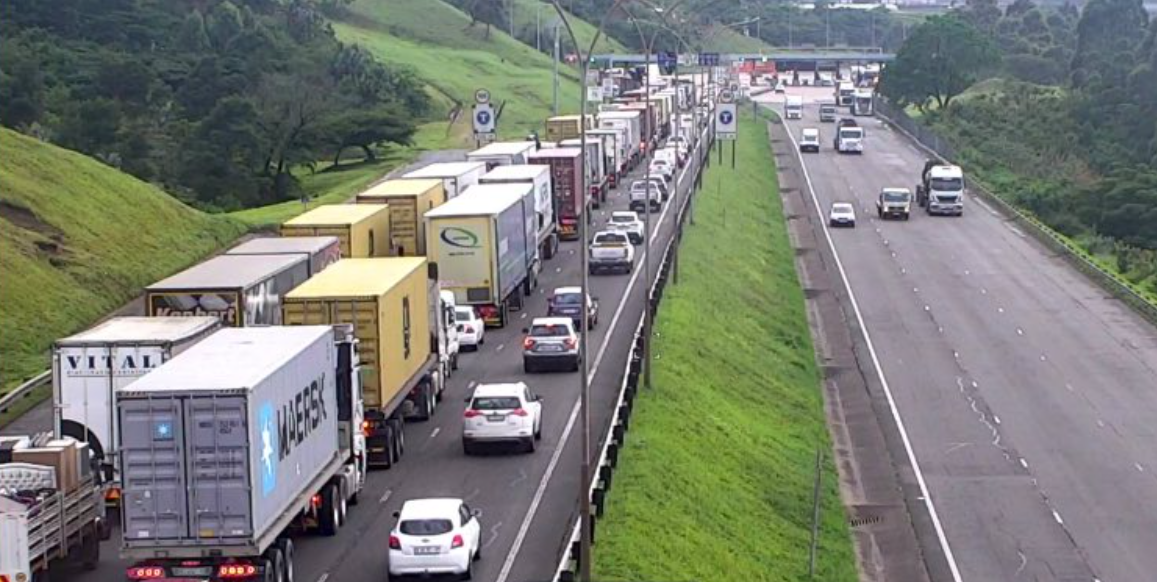
Traffic volumes are rising along the N3 as holidaymakers begin travelling ahead of the Easter long weekend. Picture Credit: Facebook
By AIsha Zardad
Johannesburg — Traffic volumes along the busy N3 corridor are already on the rise as the Easter long weekend approaches, with thousands of motorists beginning their journeys between Gauteng and KwaZulu-Natal.
The N3 Toll Concession (N3TC) said the route saw increased activity over the past weekend, signalling the start of the annual holiday travel surge.
Vehicle volumes peaked at around 1,400 per hour in the southbound direction towards KwaZulu-Natal on Friday afternoon and Saturday morning. By Sunday, the return leg towards Gauteng recorded even heavier traffic, with close to 2,000 vehicles per hour passing through the Mooi Toll Plaza.
Traffic is expected to remain steady in the early part of the week before intensifying later, as holidaymakers take to the road in larger numbers. The busiest outbound travel period is anticipated on Thursday and Friday, when motorists head towards coastal destinations.
Authorities have warned that the heaviest congestion is likely after the long weekend, with peak return traffic expected on Easter Monday and the following Tuesday as travellers make their way home at the end of the school holidays.
To ease congestion, roadworks along the N3 Toll Route between Heidelberg and Cedara will be temporarily suspended during the peak travel period. No routine maintenance will take place over these days, with only essential emergency repairs being carried out where necessary. All lanes will remain open to accommodate the increased flow of traffic.
As one of the country’s most critical transport routes — linking inland economic centres with the Port of Durban — the N3 carries both heavy freight and high volumes of holiday traffic, placing it under added pressure during peak periods.
With the surge in vehicles comes an increased risk of crashes, particularly during busy travel windows. Factors such as driver fatigue, congestion and sudden braking contribute significantly to accidents along the route.
Motorists are being urged to adopt safer driving habits, including maintaining a safe following distance. N3TC chief operating officer Thania Dhoogra advises keeping at least a three-second gap between vehicles under normal conditions, and increasing this distance in heavy traffic or poor weather.
Rear-end collisions remain among the most common incidents on the route. N3TC data shows they accounted for more than 13% of crashes between 2023 and 2025, rising to 16% in 2025. These often occur when drivers fail to react in time or merge too closely in front of larger vehicles such as trucks and buses.
Travellers are encouraged to plan ahead, allow for extra travel time and remain patient on the roads. Simple precautions — such as staying well rested, avoiding risky manoeuvres and keeping a safe distance — can go a long way in ensuring a safer journey this Easter.