
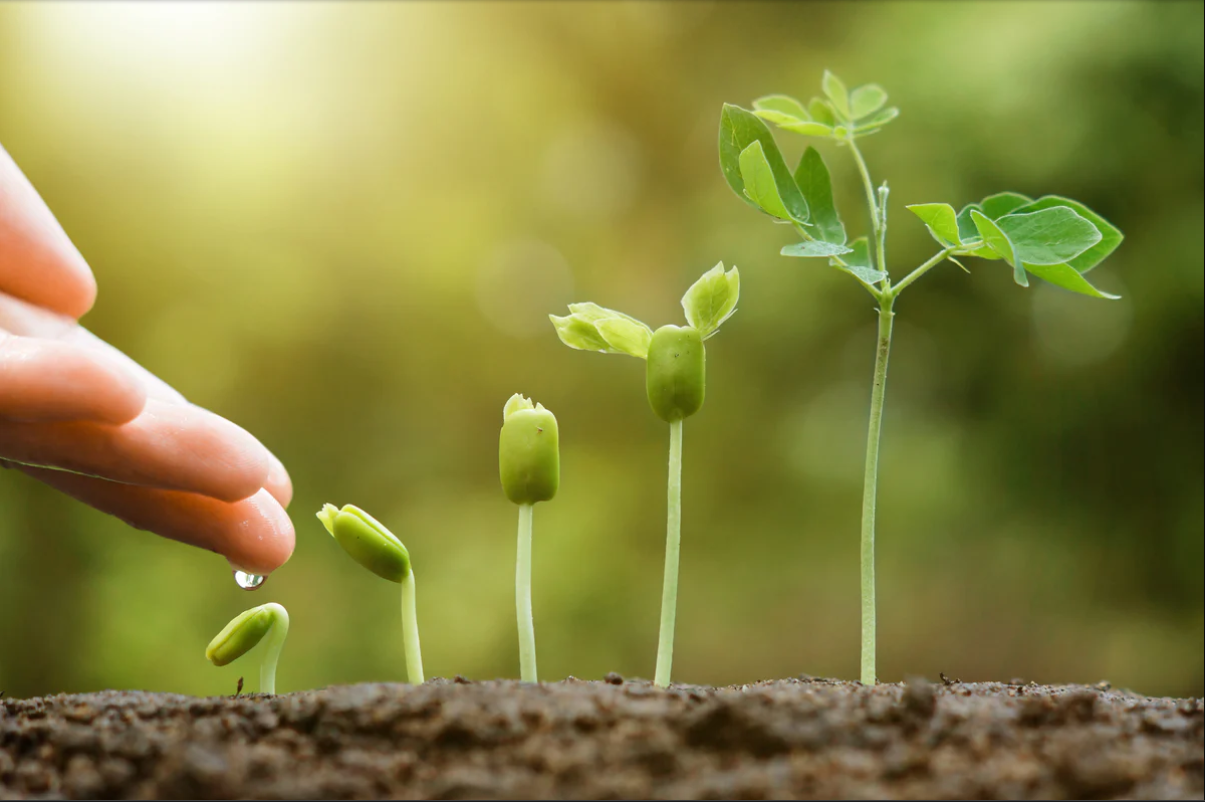
Growth isn’t supposed to feel easy. If it feels uncomfortable, uncertain, or even a little overwhelming… you’re probably doing it right. Discomfort is not a setback. It’s a signal.. Picture Credit: Swanhose
By Aisha Zardad
There is a version of growth that many people imagine — smooth, steady, and rewarding. In this version, progress feels motivating, change feels exciting, and each step forward brings clarity and confidence. But real growth, the kind that reshapes your identity and expands your life, rarely feels comfortable.
More often, it feels uncertain. It feels messy. It feels like standing in a space where the old version of you no longer fits, but the new version is not yet fully formed.
This is the part of growth that is rarely celebrated, but it is the part that matters most.
Discomfort is not a sign that something is going wrong. In many cases, it is a signal that something is changing.
When you step outside familiar patterns, your mind and body react. The brain is wired to prioritize safety and predictability. Anything unfamiliar — even if it is positive — can feel like a threat. This is why new habits, new environments, and new ways of thinking often come with resistance.
You may feel self-doubt when you try something new. You may feel anxious when you set boundaries that disrupt old dynamics. You may feel uncertain when you pursue a path that does not have guaranteed outcomes.
These feelings are not obstacles to growth. They are part of the process.
One of the most important shifts you can make is learning to reinterpret discomfort. Instead of asking, Why does this feel so hard? you begin to ask, What is this discomfort trying to show me?
Often, discomfort appears at the exact point where growth is happening.
It shows up when you challenge a belief that once felt true. It appears when you choose a different response instead of repeating an old pattern. It intensifies when you move toward something meaningful but unfamiliar.
This is because growth requires change, and change disrupts what is known.
Many people unknowingly avoid growth because they interpret discomfort as a warning sign. They step back into familiar habits, environments, or ways of thinking because those spaces feel easier to navigate. In the short term, this creates relief. But in the long term, it often leads to stagnation.
Comfort maintains the current version of your life.
Discomfort expands it.
This does not mean you should constantly push yourself into overwhelming situations or ignore your limits. There is a difference between productive discomfort and harmful stress. Productive discomfort stretches you. It challenges your assumptions, encourages learning, and builds resilience. Harmful stress, on the other hand, overwhelms your capacity to cope and may require rest, support, or adjustment.
Learning to distinguish between the two is an important part of personal growth.
Another important aspect of discomfort is that it often reveals where your edges are — the boundaries of your current comfort zone. These edges are not fixed. Each time you step slightly beyond them, they expand.
At first, speaking up in a meeting may feel uncomfortable. Over time, it becomes more natural. Setting a boundary may initially feel difficult, but with repetition, it becomes a form of self-respect rather than conflict. Trying something new may feel uncertain, but with experience, that uncertainty transforms into confidence.
This is how growth accumulates.
It is also important to recognize that discomfort is not always visible from the outside. Growth often happens internally before it becomes externally noticeable. You may be questioning beliefs, processing emotions, or developing new perspectives that others cannot see.
This internal work can feel isolating at times. It can create moments where you wonder if you are making progress at all.
But progress is not always measured by visible results. It is measured by the shifts happening beneath the surface — the thoughts you are challenging, the habits you are adjusting, the awareness you are building.
One of the most powerful things you can do during periods of discomfort is to remain present with the process. Instead of rushing to eliminate the feeling, allow yourself to observe it. Notice what thoughts accompany it. Notice what fears or uncertainties arise. Often, discomfort loses some of its intensity when it is acknowledged rather than resisted.
It also helps to remind yourself why you chose to grow in the first place. Discomfort feels more manageable when it is connected to something meaningful. When you understand that the challenge you are facing is part of a larger intention — becoming more aligned, more capable, more authentic — it becomes easier to continue moving forward.
Growth is not a straight path. It involves moments of progress and moments of doubt. It requires patience, persistence, and a willingness to stay engaged even when the outcome is not immediately clear.
But within that process, something important is happening.
You are expanding your capacity.
You are learning to navigate uncertainty.
You are becoming more resilient, more aware, and more aligned with the life you are building.
Discomfort is not the enemy of growth.
In many cases, it is the clearest sign that growth is already underway.
Practice for Today
Think of one area of your life where you are currently experiencing discomfort.
Instead of avoiding it, spend a few minutes exploring it.
Write down what feels uncomfortable and why. Then ask yourself:
Is this discomfort coming from something new, unfamiliar, or challenging?
What might I learn or gain if I move through this instead of stepping away?
Choose one small action you can take today that gently leans into this discomfort.
Today’s Reflection
What situations in my life currently feel uncomfortable or uncertain?
Am I interpreting this discomfort as a sign to stop, or as a sign that something is changing?
What fears or doubts tend to appear when I step outside my comfort zone?
Have I experienced growth in the past that initially felt uncomfortable?
How did that experience shape who I am today?
What would it look like to approach discomfort with curiosity instead of resistance?
Discomfort is not always a barrier.
Sometimes, it is the doorway to the next version of yourself.