Basic Education spends R71 billion on ICT in three years as digital learning accelerates. Picture Credit: Kids and technology
By Aisha Zardad
South Africa – South Africa’s Department of Basic Education has spent R7.1 billion on information and communication technology (ICT) over the past three financial years as part of a national effort to modernise classrooms and expand digital learning across public schools.
The figure was revealed by Basic Education Minister Siviwe Gwarube in a written response to parliamentary questions, shedding light on how provincial education departments have used their equitable share budgets to invest in digital infrastructure, devices, and classroom technology between the 2022/23 and 2024/25 financial years.
According to the department, ICT spending amounted to R2.65 billion in 2022/23, R2.62 billion in 2023/24, and R1.8 billion in the current financial year. These funds were primarily used to procure learner and teacher devices, equip classrooms with digital tools, and support the broader shift towards blended and technology-enabled education.
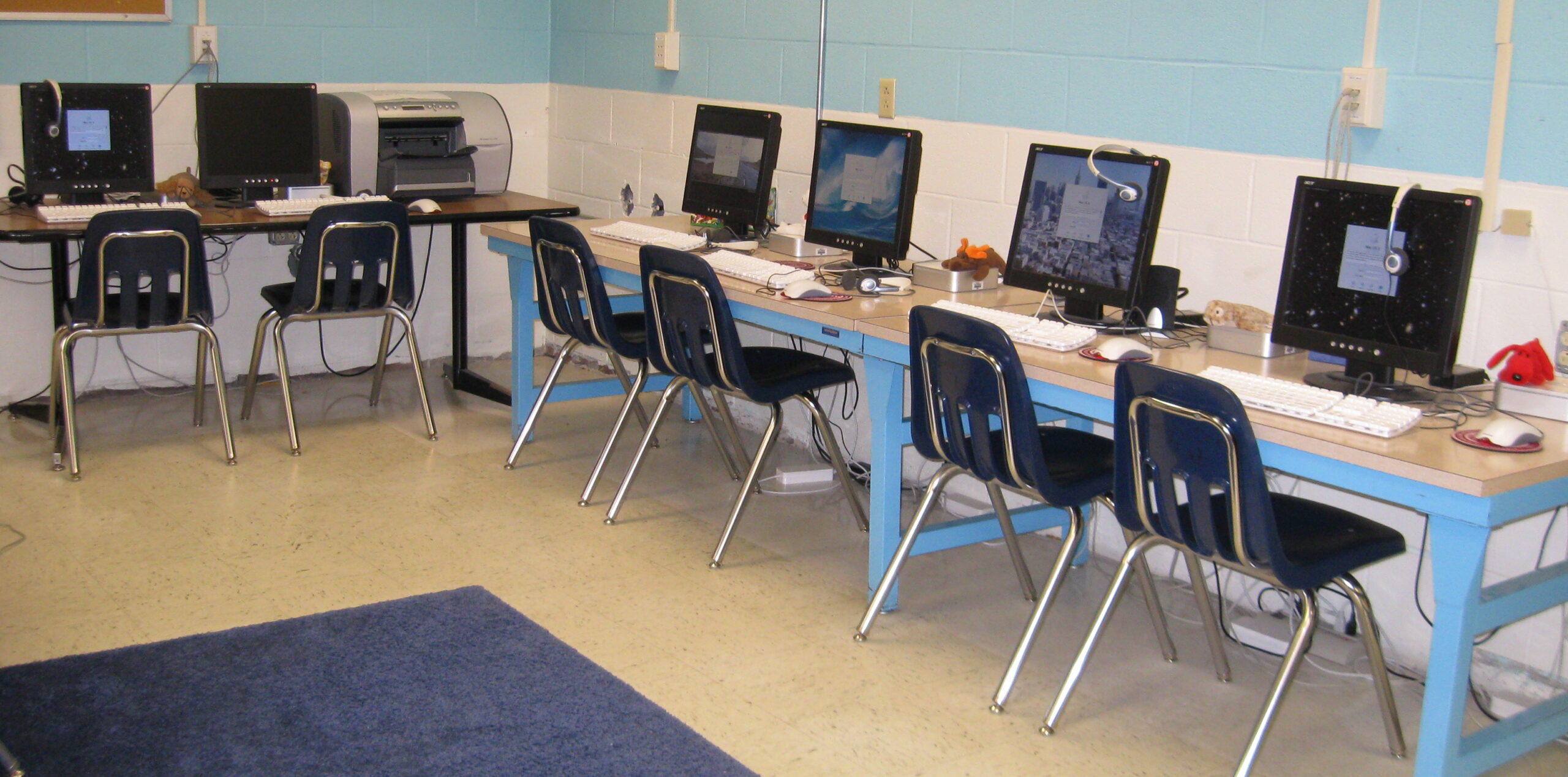
Over the three-year period, provinces acquired more than 545,000 ICT devices for learners and just over 30,000 devices for teachers, while digital infrastructure was installed in more than 10,500 classrooms nationwide. The initiative forms part of long-standing government commitments to integrate technology into teaching and learning and to better prepare learners for a digital economy.
Minister Gwarube stressed that the department maintains oversight over how ICT funds are spent, despite provinces having autonomy over their equitable share allocations. She said spending is monitored through reporting requirements, National Treasury processes, and audits conducted by the Auditor-General, with corrective action taken where irregularities or underperformance are identified.
However, despite the scale of the investment, challenges remain. Thousands of public schools across the country still lack reliable internet connectivity, limiting the effectiveness of digital tools in many classrooms. Rural and under-resourced areas continue to face infrastructure barriers, including unreliable electricity supply and limited network coverage, which have slowed the rollout of meaningful digital learning.
The ICT drive also follows earlier government commitments, including President Cyril Ramaphosa’s 2019 pledge to provide every learner with digital learning tools. While progress has been made, the department has acknowledged that the original timeline has not been fully achieved, prompting renewed focus on policy reform and implementation strategies.
To address these gaps, the Department of Basic Education is working on an updated Digital Education Strategy, aimed at replacing outdated policies and strengthening coordination between national, provincial, and private-sector partners.
While the R7.1 billion investment marks a significant step towards modernising South Africa’s education system, education experts caution that sustained funding, improved connectivity, and stronger implementation will be essential to ensure that digital learning translates into real improvements in teaching quality and learner outcomes.