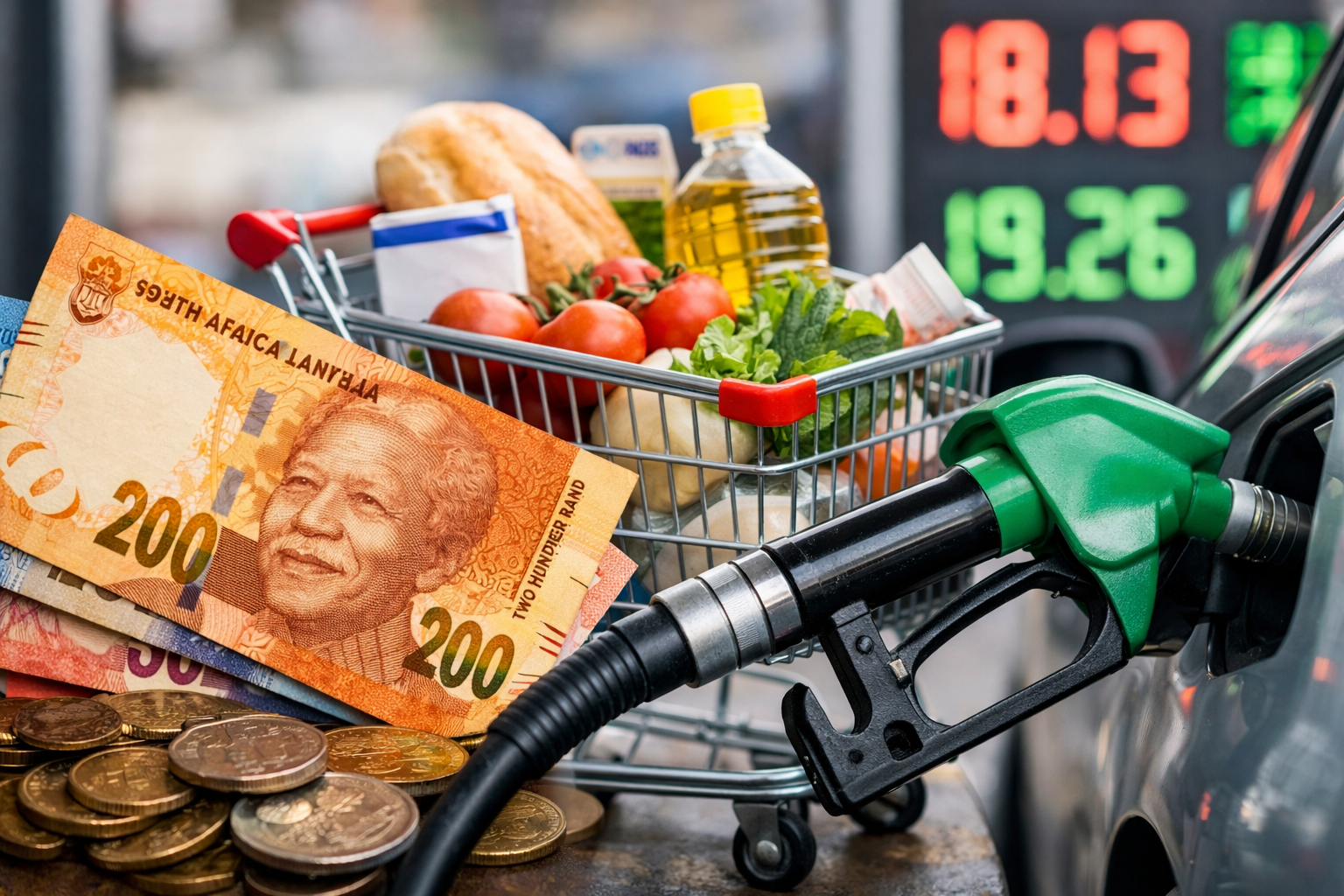

From white-label ATMs to a central cash utility, the Reserve Bank is reshaping how money moves across the country. Picture Credits: iStock
By Aisha Zardad
South Africa – South Africa is on the cusp of the largest overhaul of its cash system in decades, as the South African Reserve Bank (SARB) moves to modernise how money is circulated, accessed, and managed.
The central bank plans to create a cash-management company, roll out white-label ATMs, and tighten oversight of cash distribution to make the system cheaper, safer, and more accessible, particularly for low-income and rural communities.
Cash remains an essential part of South Africa’s economy, with R180 billion in circulation, accounting for 2.5% of GDP and roughly two-thirds of all transaction volumes, despite the growth of digital payments. Managing, transporting, and securing cash cost the economy around R90 billion last year, a burden largely borne by consumers. Crime contributes to 13% of these costs, highlighting the risks involved in cash handling.
The Cash Smart Strategy aims to address these challenges by ensuring physical funds remain accessible, while also reducing unnecessary costs. Low-income and rural consumers, who often pay up to five times more to access cash than urban users, stand to benefit the most.
“This is a very radical transformation of the industry,” said Pradeep Maharaj, head of SARB’s Payments Ecosystem Modernisation Programme.
A central component of the strategy is the creation of a cash utility co-owned by banks and retailers, modelled after the Netherlands’ Geldmaat, a joint ATM network venture. This company will monitor cash demand, optimise distribution, and eliminate the R480 million indirect subsidy currently paid to private cash-handling firms.
SARB expects cash usage to drop by 30–40% as South Africa reaches digitisation levels similar to countries like India, Brazil, and members of the European Union. While the system modernises, cash will remain a vital lifeline for communities with limited access to digital banking and payments.
The proposed reforms could mark the biggest change in cash circulation in South Africa since ATMs were introduced over 40 years ago, reshaping how consumers interact with money, how banks operate, and how cash is transported across the country.
Experts say the overhaul will not only lower costs for consumers but also increase efficiency and reduce the risks of crime and fraud associated with handling physical cash. By modernising ATMs, introducing a centralised utility, and improving cash flow modelling, the Reserve Bank hopes to create a more resilient and accessible cash ecosystem that benefits all South Africans.