Award‑winning author, publisher and Voice of Heritage winner Nomawele Njongo tells how a memoir sparked a continent‑wide teen‑publishing movement, earned her a Brand South Africa “Play Your Part” ambassadorship, and landed her on the South African delegation to the 27th Moscow International Book Fair. Pictures Credits: Nomawele Njongo (Supplied)
By Duncan Mnisi
South Africa — She is one of the most compelling voices shaping African storytelling today. Nomawele Njongo, founder of Kwazi Thina Publishers and the Africa Teen Authors Book Initiative, has turned a deeply personal journey into a movement that now spans more than 30 countries.
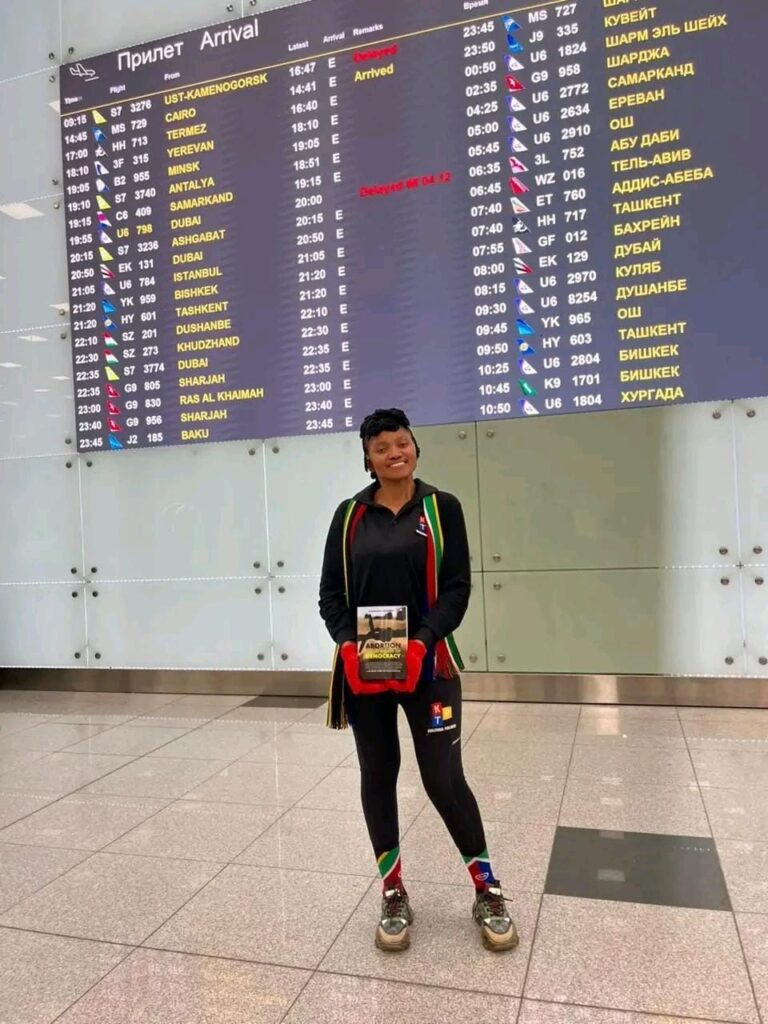
Njongo’s breakthrough came in 2020 with her memoir Abortion by the Womb of Democracy — a raw, vulnerable reflection that resonated deeply with South Africans. But the true spark came from home: her sons, Kwazi and Thina, who began writing their own books.
“Their creativity was the lightning bolt,” Njongo says. “It showed me that teenagers aren’t just readers — they are powerful storytellers with voices the world needs.”
That moment gave birth to Kwazi Thina Publishers, named in honour of her sons, and it directly fuelled ATABI — now one of the continent’s leading youth literary platforms.
Njongo’s impact has not gone unnoticed. She is a finalist in the highly respected 40 Under 40 South Africa Awards, has earned a Voice of Heritage Award, and was named a Brand SA Play Your Part Ambassador for her contribution to culture and youth development.
“Being recognised affirmed that youth storytelling is nation-building,” she says.
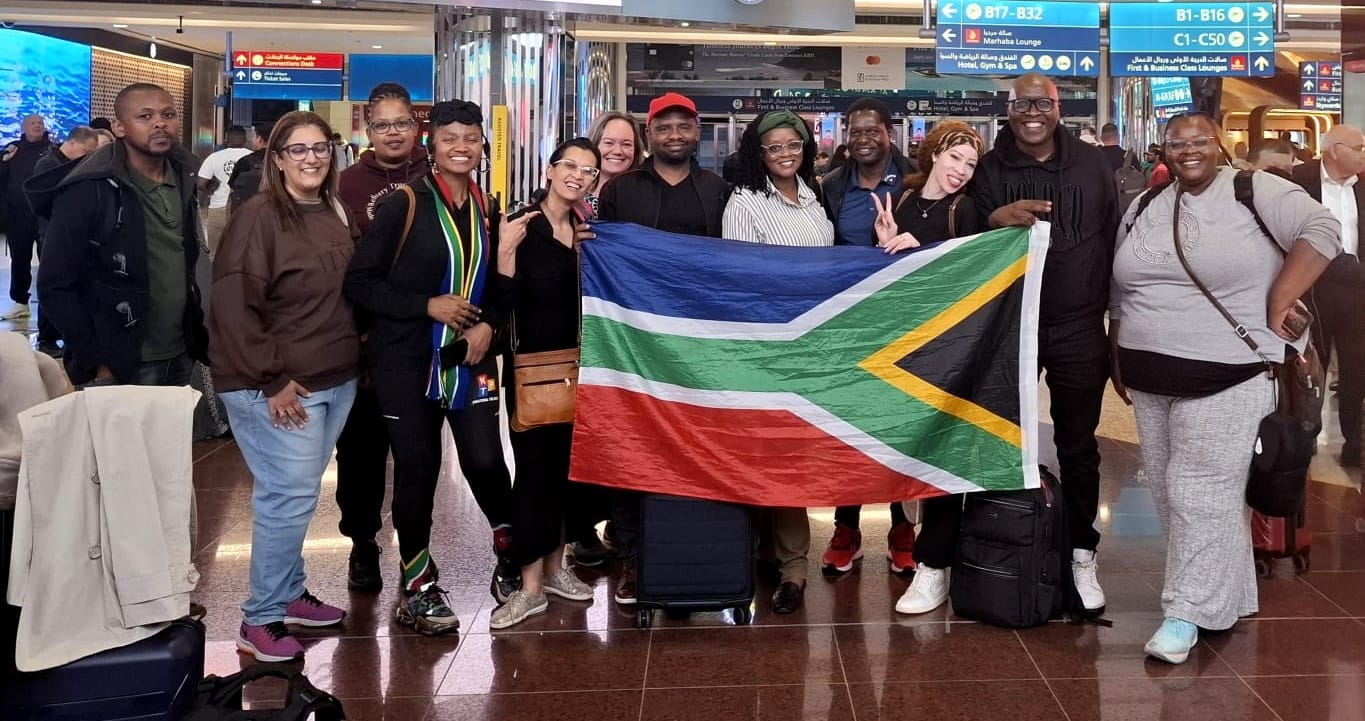
And now, her work has taken her to the world stage. Njongo travelled as part of the South African delegation to the 27th Moscow International Book Fair, held from 4–7 December. She was one of 13 authors supported by the Department of Sport, Arts and Culture.
Sharing a panel with fellow author Anzil Kulsen and facilitator Khathu Maestro Ndou, Njongo used the global platform to champion her rallying cry: “Let Africa Tell Her Stories.”
She spoke on what inspires young adult publishing in South Africa, how to nurture young writers, and why authentic African stories have worldwide appeal. And Moscow responded with enthusiasm: South African books sold out rapidly, and Njongo says Russian readers showed “profound curiosity and respect” for African narratives.
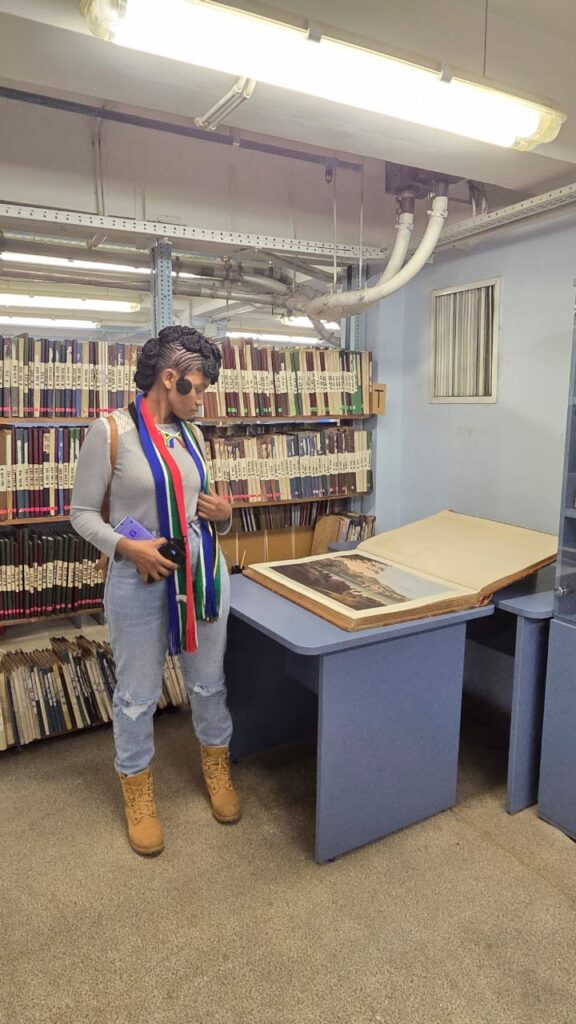
A visit to the Russian State Library left her inspired by the country’s book-production systems.
“There’s so much we can learn,” she said, hinting at possible future collaborations — including with an ATABI participant now living in Moscow.
For now, her focus shifts back to home soil. On 13 December, she will speak at the Africa Rising Youth International Summit at Wits University, joining leaders like Dr Nkosazana Dlamini-Zuma to unpack “Creative Capital: Unlocking The Economic Power of Africa’s Storytellers and Artists.”
Asked who she would invite to a dream literary dinner, Njongo chose Nigerian powerhouse Chimamanda Ngozi Adichie, praising her ability to blend the personal with the political with “remarkable insight.”
With a bibliography that includes the second edition of Abortion by the Womb of Democracy, a mentorship record of more than 329 teens, and initiatives like the Funda Mpondo Literary Festival and the Esigela SA Learners Book programme — Nomawele Njongo stands firmly as one of Africa’s most important literary architects.
Her story is not just about success — it’s about building a generation of storytellers who will speak for a continent.”