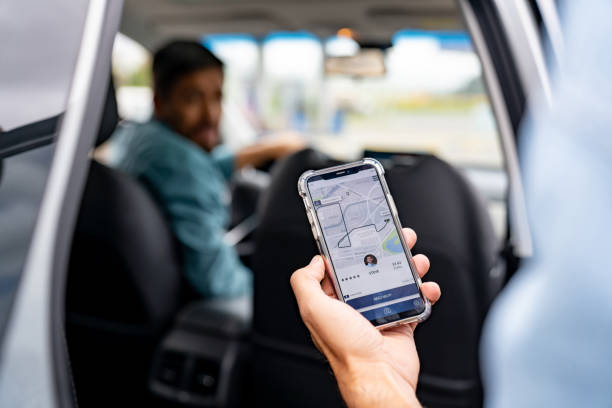
Frustration mounts as Uber riders in South Africa face soaring fares, reckless drivers, and a ticking regulatory clock. Picture Credits: iStock
By Aisha Zardad
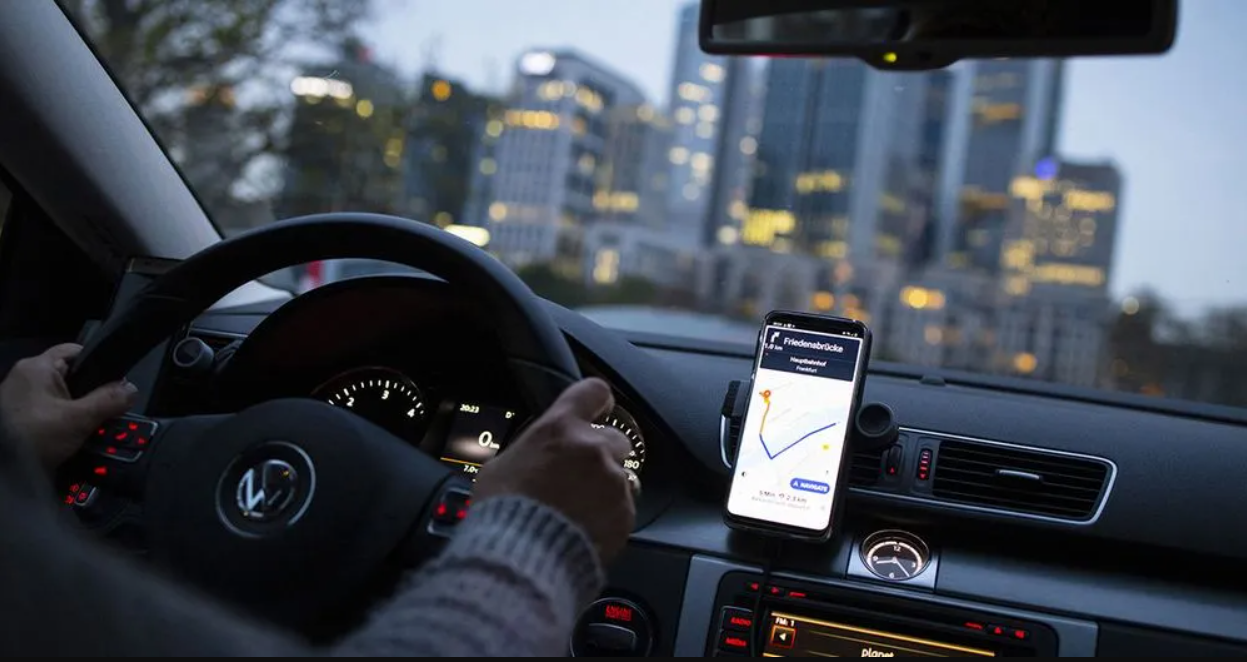
Johannesburg – Uber is facing intensifying pressure in South Africa as users continue to report escalating frustrations with the service. Complaints of inflated fares, poor-quality vehicles, rude or unreliable drivers, and unexplained cancellations have surged, all while the company races against the clock to comply with the country’s newly amended e-hailing regulations.
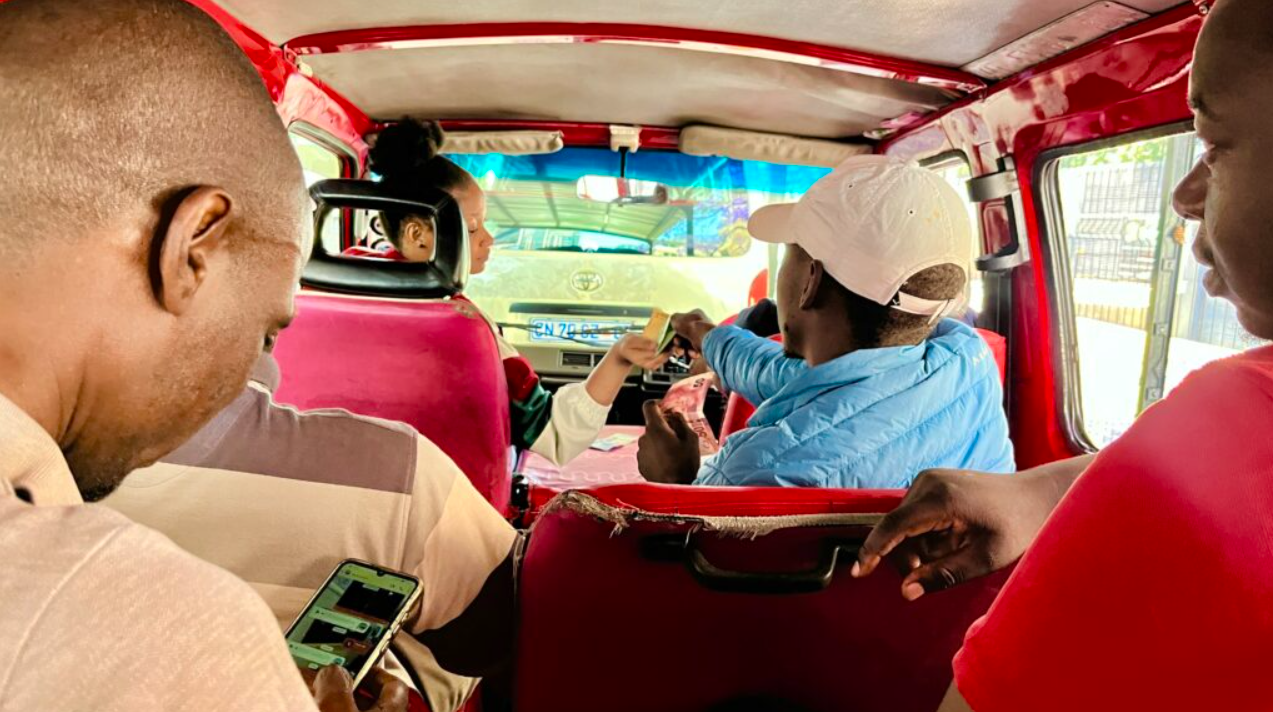
Consumer dissatisfaction is particularly visible on Hellopeter, where Uber has recorded a concerning score of 1.13 out of five from more than a thousand reviews in the past year. Many riders say billing issues have become routine, with some accusing drivers of continuing trips on the app after passengers have been dropped off, leading to inflated charges. Others say drivers have been dishonest about payments, leaving them with unexplained balances while customer support offers little to no resolution. One user described how a driver claimed they paid only R43 for a trip, despite having handed over R202. Another said their account had been restricted without any clear explanation, cutting them off from both rides and Uber Eats, while repeated attempts to get answers resulted only in generic responses.
A growing number of passengers also report that when drivers cancel trips, pre-authorised charges remain on their accounts, and in many cases, refunds never arrive. In response, Uber told MyBroadband it remains committed to providing a safe and reliable experience, adding that it continues to invest in driver guidance, monitoring systems, and in-app safety features. The company also stated it is actively working with authorities to meet the deadline for South Africa’s new e-hailing regulations.
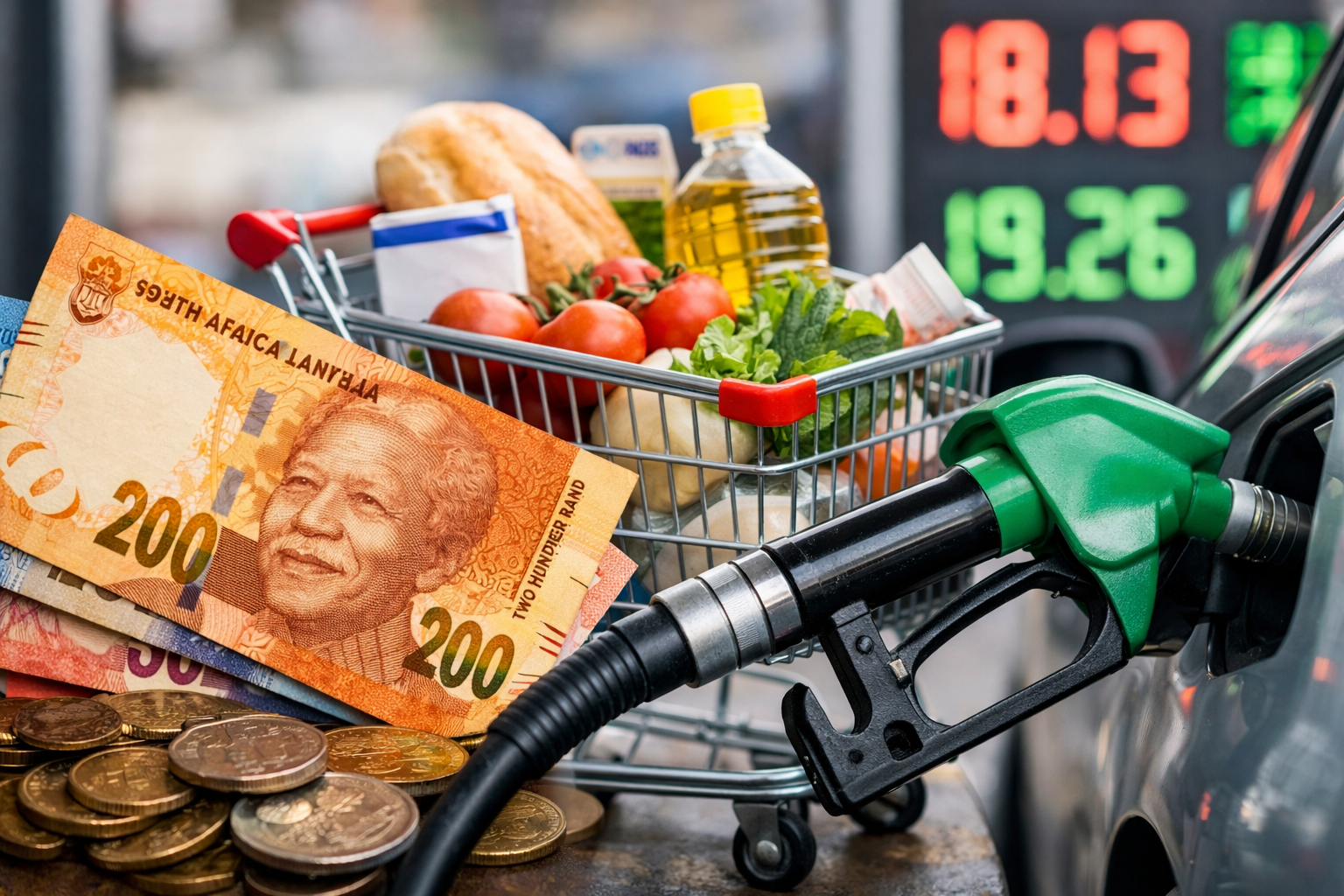
Beyond service concerns, questions are being raised about Uber’s pricing. A recent comparison on a journey from OR Tambo International Airport to Fourways showed stark differences between Uber and its closest competitor, Bolt. Uber Go quoted R350 for the trip, while Bolt’s Economy option came in at R182 with a promotion, and still more than R150 cheaper even without it. The gap widened further up the tiers, with UberX quoted at R446 and Uber Comfort at R595, while Bolt offered similar levels of service at R241 and R359. The rider who conducted the comparison opted for Bolt, reporting that the experience was on par with Uber. Interestingly, the inflated differences applied only to trips starting at the airport. Rides from Fourways to OR Tambo were similarly priced on both platforms.
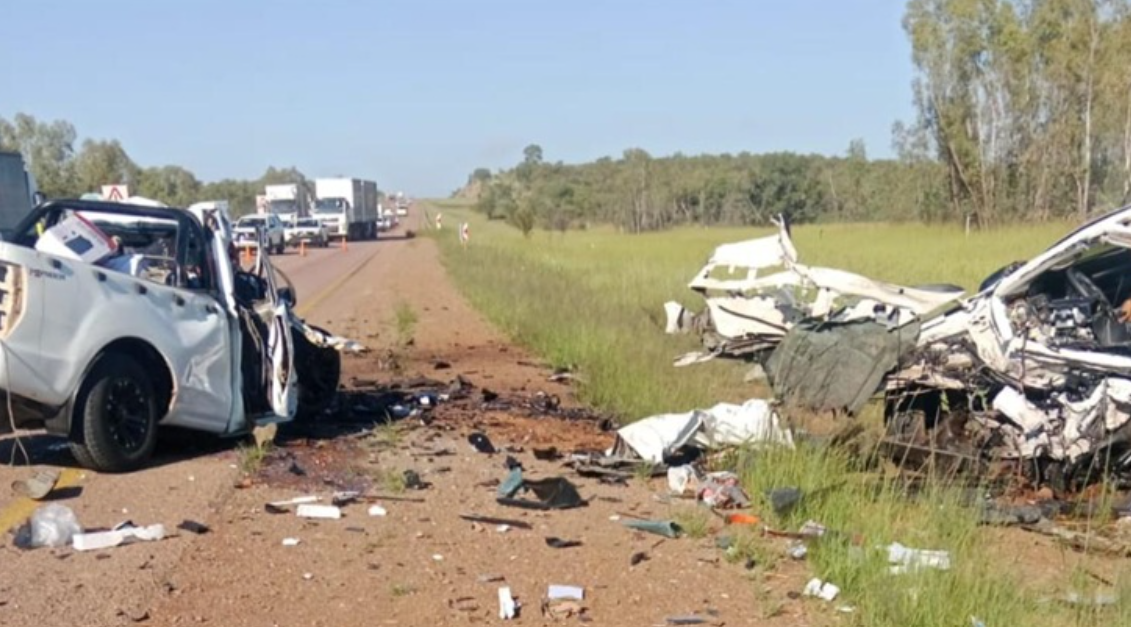
Safety concerns have added another layer to the public outcry. Some riders claim they encountered reckless and disrespectful drivers. One reported being left on the side of the road after an erratic and frightening trip, later discovering they had forgotten a parcel in the vehicle that Uber never helped them retrieve. Another passenger said their driver struck a pedestrian and fled the scene, abandoning them mid-journey.
Compounding all of this is the looming deadline for e-hailing platforms to comply with South Africa’s amended National Transport Act. Industry leaders warn that companies like Uber and Bolt may not meet the requirements in time. According to Sibongiseni Shange, chairperson of the SA Meter Taxi and E-hailing Association, there is still widespread confusion among officials about how to implement the regulations, and the existing backlog of operating licence applications is making compliance extremely difficult. He described new licence applications as “almost impossible,” with authorities still struggling to process outstanding cases.
The updated regulations introduce several mandatory changes, including proper operator branding on vehicles, compulsory operating licences, panic buttons installed inside cars, and strict operating jurisdictions that determine where drivers may legally pick up passengers. Drivers will still be allowed to drop passengers outside their designated areas but must return empty, unable to accept new trips. The Department of Transport says the new safety measures, especially panic buttons, are designed to help detect crime more quickly, while urging riders to continue checking that the vehicle and driver details match the information displayed in the app.
With mounting complaints, increasing price scrutiny, and a regulatory deadline fast approaching, Uber’s challenges in South Africa are growing by the day — and riders across the country are watching closely to see how, or if, the company regains their trust.