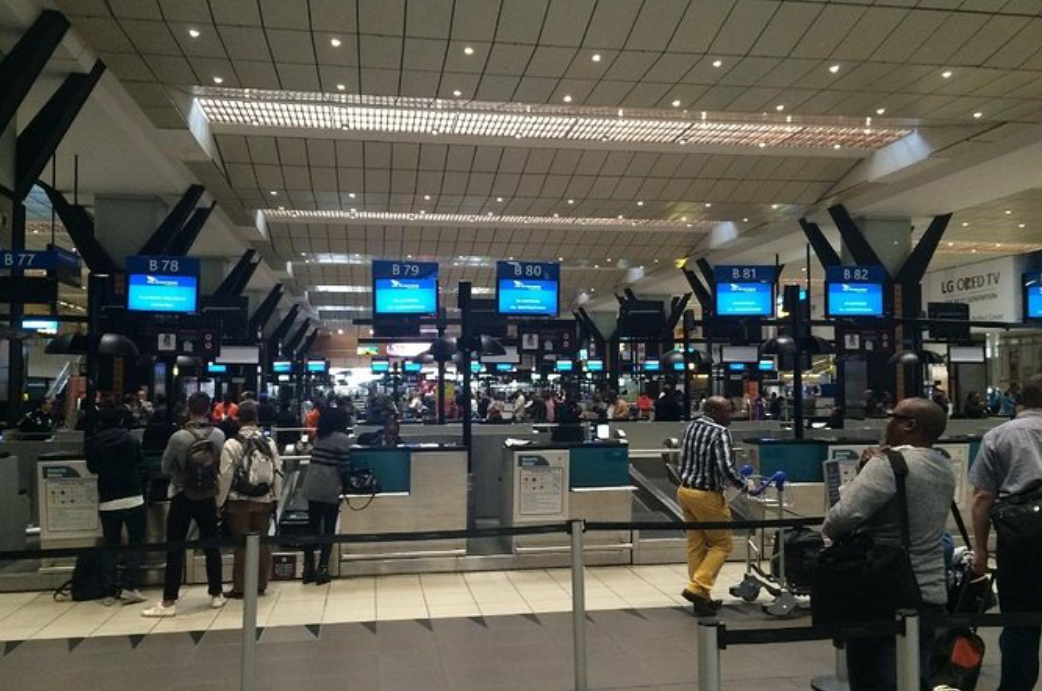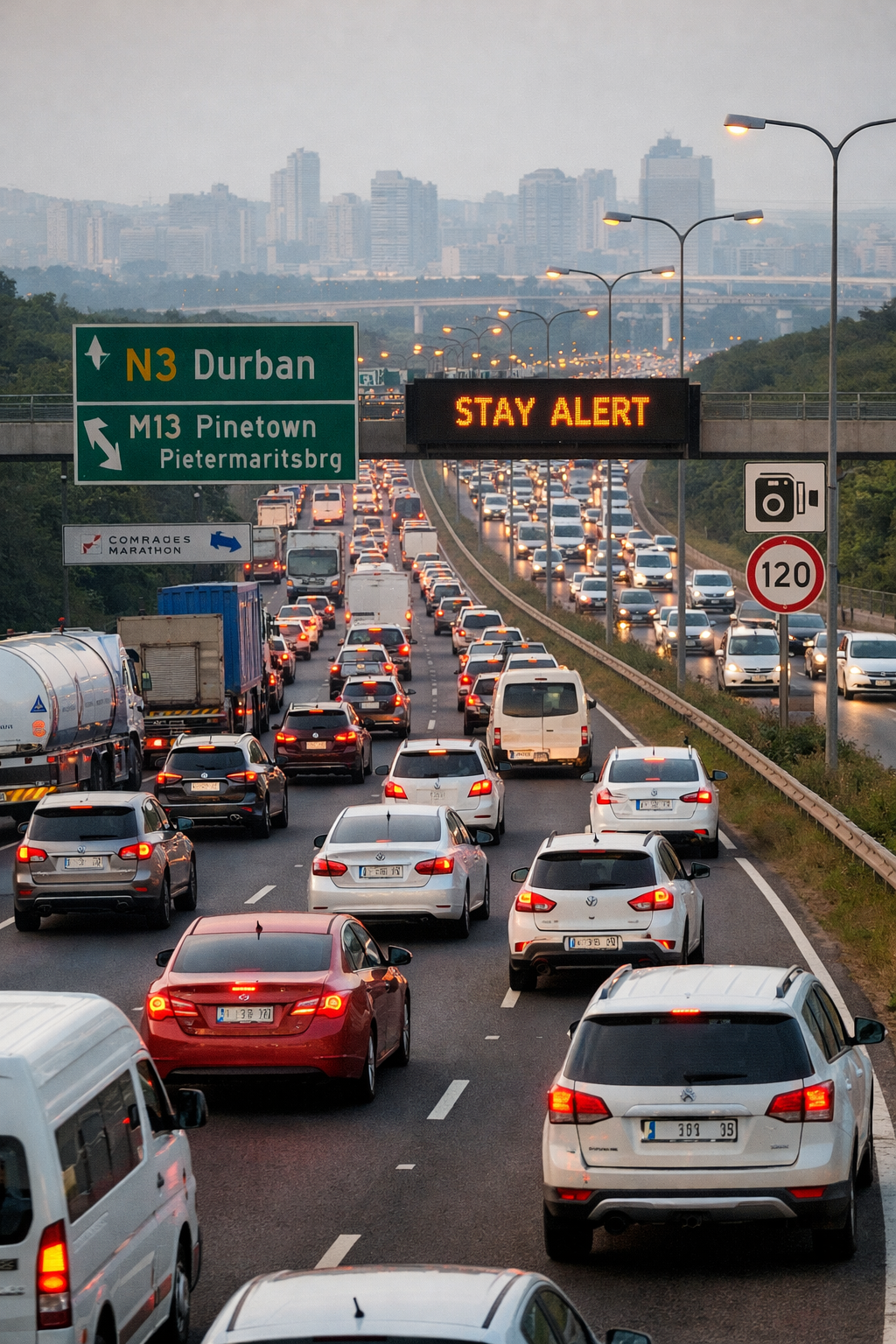

Flying or driving this holiday? Here’s what really makes sense for South Africans in 2025. Picture Credits: LacubanaXpress
By Aisha Zardad
For South Africans planning a holiday in 2025, one question comes up every single time: should you fly — or should you drive? On the surface, flying feels faster and more convenient, while driving promises freedom and flexibility. But when budgets are tight and every rand counts, the real decision comes down to cost — and the answer isn’t always as obvious as it seems.
With fuel prices still under pressure, airline ticket prices fluctuating wildly during peak season, and additional expenses like car hire and airport transfers creeping in, many travellers are re-thinking their usual habits. A flight that looks cheap at first glance can quickly balloon into a costly exercise, while a long drive may end up being far more economical when costs are shared.
In 2025, the flying-versus-driving debate isn’t about preference — it’s about value. Here’s how the numbers really stack up.
The Cost of Flying in 2025
Domestic flights remain popular, especially for longer distances, but peak holiday pricing can be unforgiving.
Average Return Flight Prices (Economy Class):
- Johannesburg ↔ Cape Town: R1,800 – R3,500
- Johannesburg ↔ Durban: R1,400 – R2,800
- Cape Town ↔ Durban: R2,000 – R3,800
But airfare is only the starting point.
Hidden Flying Costs to Factor In
- Airport parking or transport
- Checked baggage fees
- Car hire at destination (R500 – R900 per day)
- Fuel for the rental vehicle
For a family of four, flights alone can easily exceed R8,000 to R12,000 before accommodation is even considered.
The Cost of Driving in 2025
Driving costs are more predictable — and significantly cheaper when shared.
Example: Johannesburg to Cape Town (± 2,800km return)
- Fuel: R3,500 – R5,000
- Tolls: ± R700
- Overnight accommodation: R1,500 – R3,000
Total driving cost: R5,700 – R8,700
That total covers everyone in the vehicle, not per person.
Families vs Solo Travellers: The Real Divide
This is where the decision becomes clear.
For Families and Groups
Driving almost always wins.
- One fuel bill vs multiple flight tickets
- No car hire costs
- Full control over travel schedule
- Space for luggage without extra fees
For Solo Travellers
Flying can still make sense.
- Lower individual ticket cost
- Shorter travel time
- No overnight driving stops
Time vs Money: The Trade-Off
| Factor | Flying | Driving |
|---|---|---|
| Speed | Fast | Slow |
| Cost (solo) | Lower | Higher |
| Cost (family/group) | High | Lower |
| Flexibility | Limited | High |
| Luggage freedom | Restricted | Unlimited |
Flying saves time.
Driving saves money — and offers control.
When Flying Makes Sense
- Short trips
- Business travel
- Solo holidays
- Time-sensitive plans
When Driving Is the Smarter Choice
- Families and groups
- Longer holidays
- Scenic destinations
- Budget-conscious travel
Safety Matters on the Road
For those choosing to drive, safety should always be part of the cost calculation. Long-distance driving fatigue is a major festive-season risk. Motorists are advised to stop every two to three hours, share driving duties where possible, and avoid overnight driving if tired. Factoring in an overnight stop may slightly increase costs — but it dramatically improves safety.
Final Verdict
In 2025, flying may get you there faster — but driving often gets you there cheaper.
For most South Africans travelling with family or friends, driving remains the more economical, flexible, and practical option, even when fuel prices are high. Flights still have their place, but once all costs are added up, the open road continues to offer better value for money.
Sometimes, the smartest choice isn’t the quickest one — it’s the one that leaves you with more holiday money in your pocket.