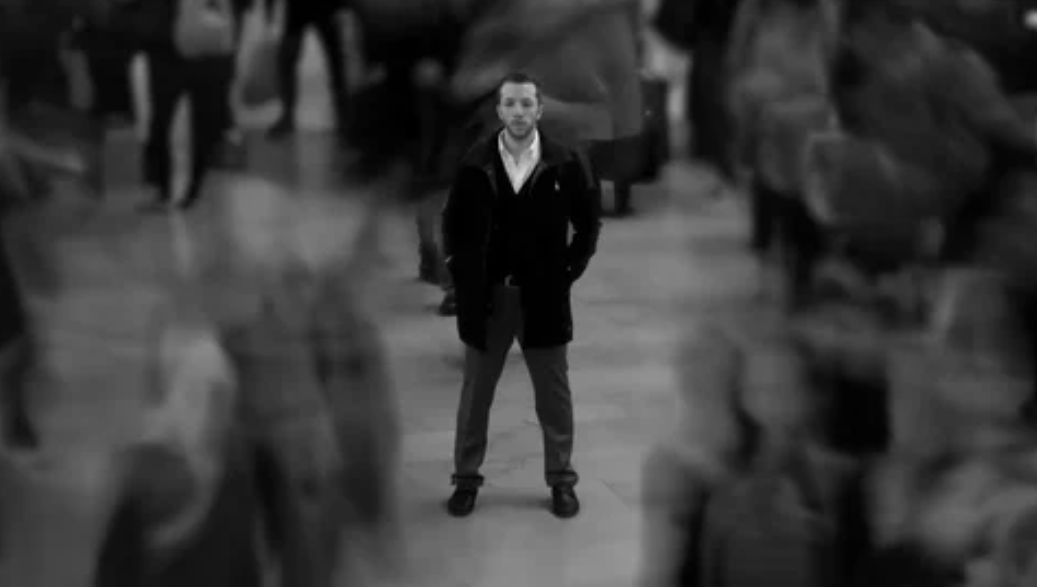

It’s easy to be consistent when someone is watching. When there’s pressure. When there’s accountability. When there’s recognition. But real discipline? It shows up when there’s none of that. Picture Credit: Freepik
By Aisha Zardad
There is a version of discipline that most people are familiar with, and it is often shaped by what can be seen. It is the early mornings that get posted, the routines that are shared, the visible consistency that earns recognition. It looks structured, controlled, almost impressive in its execution. From the outside, it appears strong, something to aspire to, something to replicate.
But that version of discipline is not always the one that lasts.
Because when discipline becomes tied to visibility, it begins to rely on something external. It draws energy from being seen, from being acknowledged, from existing in a space where effort is noticed and, in some way, validated. And while there is nothing inherently wrong with that, it creates a subtle dependency. It means that when the audience disappears, when the structure is removed, when no one is watching, the behaviour becomes harder to sustain.
This is where the difference becomes clear.
Real discipline does not need an audience.
It does not require recognition or external pressure to exist. It is not built on how things look, but on what is repeated consistently, often in moments that no one else sees. It exists in the quiet decisions, the ones that do not feel significant enough to share, the ones that do not come with immediate reward.
It is what you do when it is just you.
When there is no structure holding you in place, no expectation guiding your actions, no external voice reminding you of what matters. When the only thing present is your own awareness and your willingness to act on it.
This is where discipline becomes personal.
Not something you perform, but something you embody.
And it is often far less dramatic than people expect. It does not always feel powerful or motivating. In fact, most of the time, it feels ordinary. It feels like choosing to follow through on something small when it would be easier not to. It feels like maintaining a standard even when there is no consequence for lowering it. It feels like doing what you said you would do, without needing to prove it to anyone.
There is no immediate reward in these moments.
No recognition.
No validation.
No sense of urgency pushing you forward.
And that is exactly why they matter.
Because when discipline is not supported by external factors, it is sustained by something deeper. It is sustained by identity. By the quiet decision that you are someone who follows through, not occasionally, not when it is convenient, but consistently.
This is where many people struggle.
Not because they lack the ability to be disciplined, but because they associate discipline with intensity. They believe it has to feel strong, structured, almost extreme in order to count. And when it does not feel that way, when it feels subtle or repetitive or even mundane, they assume they are not doing enough.
But discipline is not about intensity.
It is about consistency.
It is about the ability to return to what matters, again and again, without needing the conditions to be perfect. It is about maintaining a standard, even when your energy fluctuates, even when your motivation is low, even when it would be easier to postpone.
And this is where it becomes clear whether discipline is something you rely on… or something you are.
Because if it is something you rely on, it will come and go. It will depend on how you feel, on what is happening around you, on whether the conditions are supportive. But if it is something you are, it becomes stable. It becomes part of how you move through your life, not something you have to constantly recreate.
That shift changes everything.
Because it removes the need for constant negotiation. You no longer ask yourself whether you feel like showing up. You no longer wait for the right moment. You understand that the action itself is not the difficult part. The difficult part is deciding who you are when no one is watching.
And once that decision is made, the rest becomes simpler.
Not easier, but clearer.
You begin to understand that discipline is not about doing more. It is about doing what matters, consistently, without needing it to feel significant. It is about showing up in ways that align with the person you are becoming, even when those actions feel small or unnoticed.
And over time, those small actions build something far more stable than bursts of motivation ever could. They build trust. Not in the outcome, not in external validation, but in yourself. In your ability to follow through, to maintain your standards, to continue even when nothing is pushing you forward.
That trust becomes the foundation of everything else.
Because once you trust yourself to show up, consistently and without external pressure, you no longer depend on motivation to move forward. You no longer rely on structure to hold you together. You carry your own discipline with you.
And that is what makes it sustainable.
So today is not about doing everything perfectly. It is not about creating an intense routine or proving anything to yourself. It is about something much quieter.
It is about noticing how you behave when no one is watching.
What you choose to do.
What you choose to delay.
What standards you maintain… and which ones you lower.
And then, in one moment, choosing differently.
Not dramatically.
Not performatively.
Just deliberately.
Because discipline is not built in the moments where everything is aligned.
It is built in the moments where it is just you.
And what you choose to do in those moments… is what defines you.
Practice for Today
Pay attention to one moment today where no one is watching and no one is expecting anything from you. Choose to follow through on something that matters, purely because you said you would.
Today’s Reflection
How do I behave when there is no external pressure or accountability?
Where do I rely on being seen or validated to stay consistent?
What standard am I willing to maintain, even when no one else notices?
What does discipline look like for me in quiet, everyday moments?
How would my life change if I trusted myself to follow through consistently?