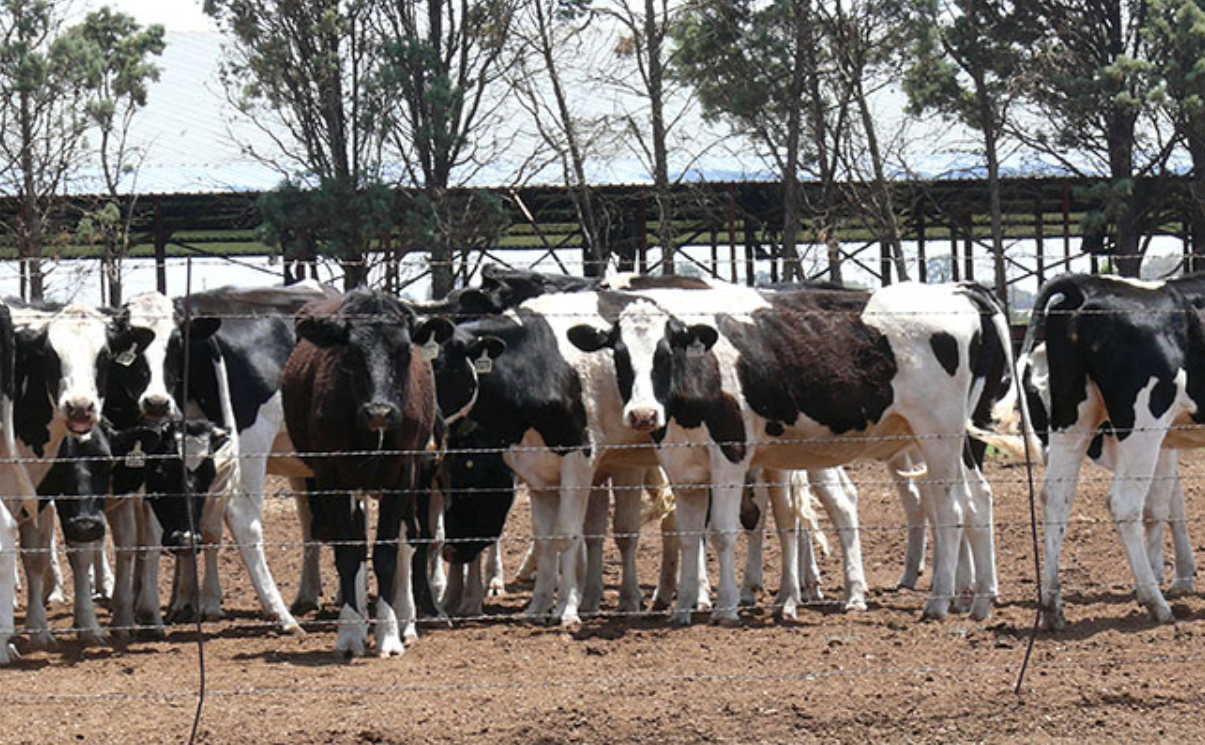
Over 261,000 animals in Gauteng have been affected by the ongoing Foot-and-Mouth Disease outbreak, raising concerns over livestock health, food security, and the province’s agricultural economy. Picture Credit: FarmersWeekly
By Aisha Zardad
Gauteng – The Democratic Alliance (DA) has criticised the Gauteng Provincial Government’s R63 million allocation to combat the escalating outbreak of Foot-and-Mouth Disease (FMD), saying the funding is insufficient to protect farmers and the province’s agricultural economy.
The party described the amount as only a small portion of the province’s broader budget and warned that it may not be enough to address the growing crisis affecting livestock farmers.
According to the DA, farmers are already struggling with movement restrictions, collapsing markets and rising feed costs, raising concerns that the administration of Gauteng Premier Panyaza Lesufi lacks a clear strategy to safeguard jobs, food security and the province’s food supply.
Gauteng MEC for Finance and Economic Development Lebogang Maile recently presented a three-year provincial budget of more than R500 billion, including R179.2 billion for the 2026/27 financial year.
The budget prioritises strengthening frontline services, accelerating infrastructure development and maintaining fiscal discipline, while the Gauteng Department of Agriculture and Rural Development was allocated R742 million for the year.
Meanwhile, the Foot-and-Mouth Disease outbreak in Gauteng has intensified, affecting over 261,000 animals across 195 confirmed cases and posing a serious threat to the province’s livestock and economy.
Authorities have introduced quarantines, roadblocks and a multi-departmental response aimed at containing the disease. However, farmers continue to face disruptions to trade, collapsing markets and rising operational costs, highlighting the outbreak’s threat to jobs, food security and livelihoods.
Bronwynn Engelbrecht, the DA’s Gauteng Shadow MEC for Agriculture and Rural Development, said the current funding allocation is far from enough to contain the outbreak.
“The limited funding and lack of a clear operational plan raises serious questions about whether Premier Panyaza Lesufi’s government understands the scale of the crisis and the risk it poses to jobs, food security, and the agricultural economy of Gauteng,” she said.
Engelbrecht added that farmers who work tirelessly to produce food for the province deserve stronger support from government.
“Farmers deserve more than uncertainty and inadequate funding. They deserve a government with a clear strategy that acts swiftly, communicates clearly, and understands that protecting agriculture means protecting jobs, food security, and the economic stability of the province.”
She warned that the cost of inaction could have far-reaching consequences.
“The cost of inaction today will be paid tomorrow, not only by farmers, but by every household that relies on a job and affordable food on their table,” Engelbrecht said.
While the DA raised concerns about the scale of the funding, RISE Mzansi welcomed the Gauteng government’s R63.9 million boost to the Department of Agriculture and Rural Development.
The party described the allocation as “necessary and responsible”, noting that outbreaks of Foot-and-Mouth Disease threaten livestock farmers, disrupt food production and place agricultural trade at risk.
RISE Mzansi said strengthening disease surveillance, biosecurity and containment measures is crucial to protecting farmers’ livelihoods and safeguarding the broader agricultural economy.
While noting that the department’s overall budget rose from R647 million to R742 million, the party emphasised that success will depend on effective implementation.
It also called for stronger support for smallholder farmers, urban agriculture and local food systems to ensure long-term food security, improve market access and promote commercially viable farming.