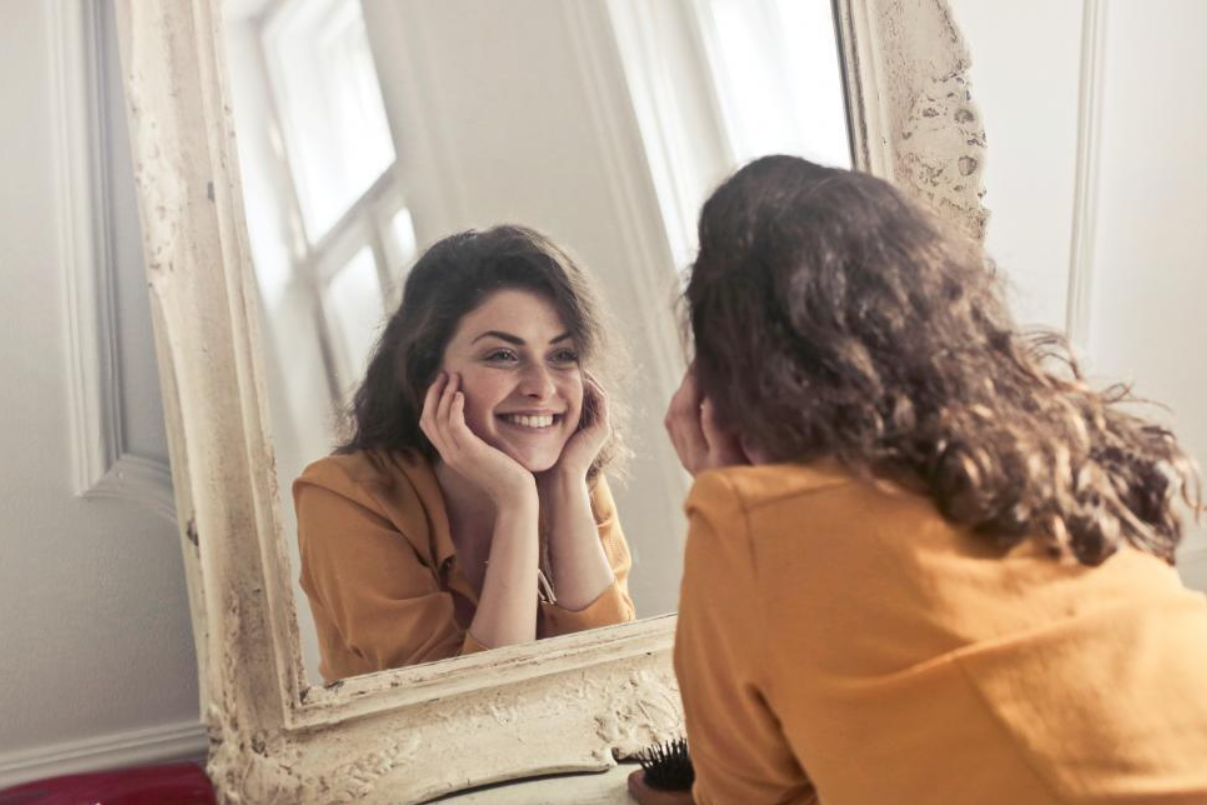
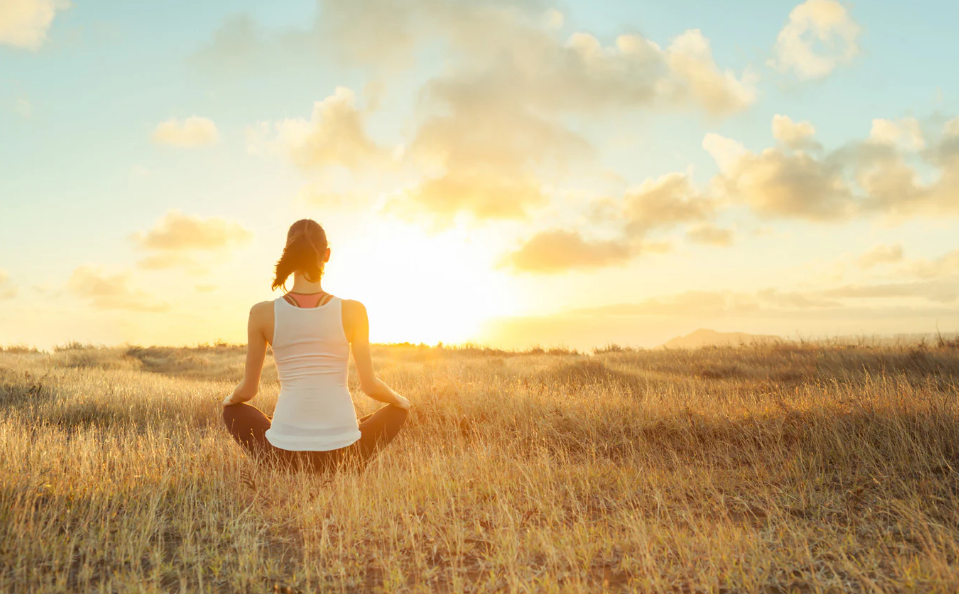
Harness the power of your breath — small pauses can transform your day. Picture Credit: SOLOrganics
By Aisha Zardad
Most of us breathe without ever thinking about it. Breath is automatic, constant, and often taken for granted — yet it is one of the most powerful tools we have for calming the mind, regulating emotions, and reconnecting with the present moment. In a world that rarely pauses, mindful breathing offers a way back to ourselves, one breath at a time.
Think about how often you rush through your day on autopilot: waking to alarms, scrolling through notifications, juggling responsibilities, and pushing through stress without stopping. When life feels overwhelming, the breath is often the first thing to change — it becomes shallow, rapid, and tense. Mindful breathing reverses this pattern, signalling to the body that it is safe to slow down.
At its core, mindful breathing is the practice of bringing full attention to the breath as it naturally flows in and out. There is no need to control it or force it into a particular rhythm. Instead, the goal is awareness — noticing the sensation of air entering the nose, filling the lungs, and gently leaving the body. This simple act anchors the mind in the present, pulling it away from worries about the past or anxieties about the future.
Science supports what ancient traditions have long known. Slow, intentional breathing activates the parasympathetic nervous system, which helps lower heart rate, reduce stress hormones, and promote relaxation. Even a few minutes of mindful breathing can reduce anxiety, improve focus, and create a sense of emotional balance.
One of the most powerful aspects of mindful breathing is its accessibility. You don’t need special equipment, a quiet room, or extended time. You can practice it while waiting in traffic, sitting at your desk, or lying in bed at night. Wherever you are, your breath is already with you.
To begin, try this simple two-minute breathing exercise:
- Sit or stand comfortably with your feet grounded.
- Close your eyes or soften your gaze.
- Inhale slowly through your nose for a count of four.
- Exhale gently through your mouth for a count of six.
- Repeat, allowing your shoulders and jaw to relax.
If your mind wanders — and it will — gently guide it back to the breath without judgment. Mindfulness is not about emptying the mind, but about returning to the present with kindness.
Mindful breathing also helps us navigate difficult emotions. When anger, frustration, or fear arises, pausing to breathe creates a space between feeling and reaction. In that space, we gain choice. Instead of reacting impulsively, we can respond with clarity and intention.
Another effective technique is box breathing, often used by athletes and first responders:
• Inhale for four counts
• Hold for four
• Exhale for four
• Hold for four
Repeating this cycle four times can quickly calm the nervous system and restore focus.
Over time, mindful breathing becomes more than a technique — it becomes a habit of awareness. It trains us to notice when we are rushing, tensing, or disconnecting, and invites us to return to calm. This awareness spills into other areas of life: communication becomes more thoughtful, stress feels more manageable, and moments of peace become easier to access.
In the quiet rhythm of the breath, we rediscover something often forgotten — that we don’t need to control everything to feel grounded. Sometimes, the most powerful change begins with something as simple as paying attention to the next inhale, and the next exhale.
So today, pause. Breathe in. Breathe out. Let this be your reminder that calm is always within reach — carried on the steady rhythm of your breath.