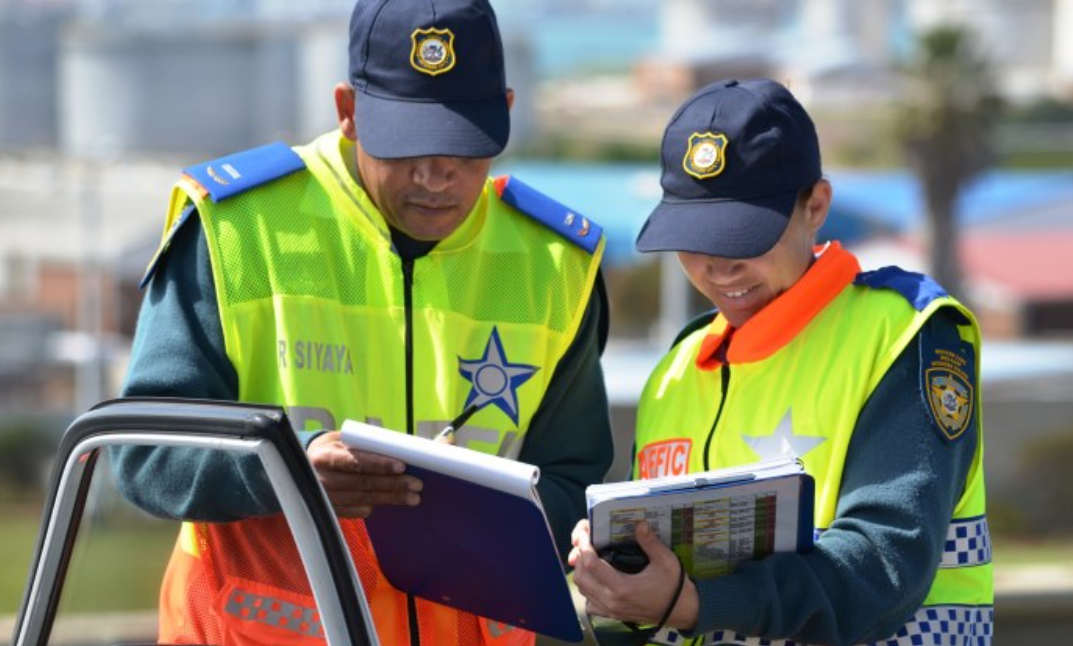
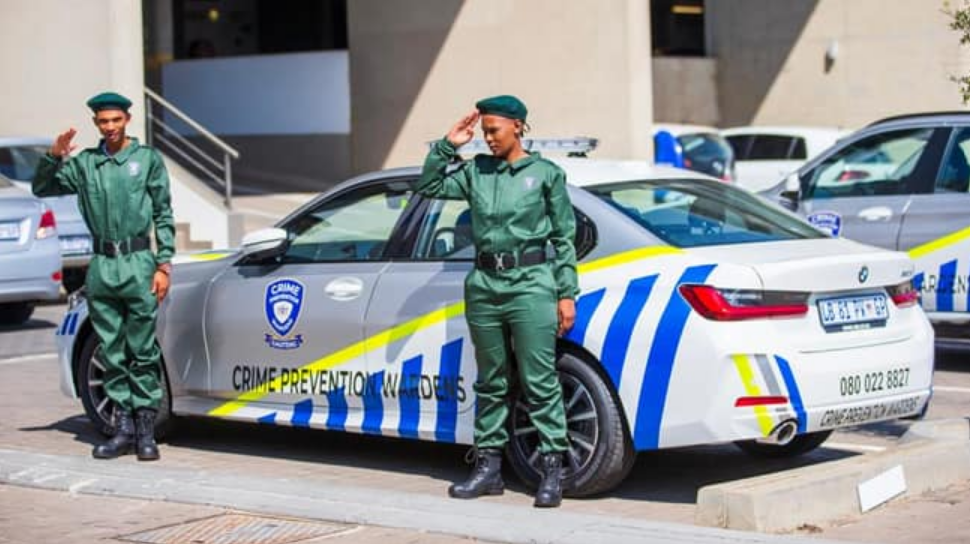
Gauteng crime prevention wardens formally declared Peace Officers Picture Credit: Facebook
By Aisha Zardad
Johannesburg — The Gauteng government has officially declared more than 9 000 crime prevention wardens, known as AmaPanyaza, as Peace Officers, offering them a defined legal status after prolonged uncertainty about their powers, authorities said on Friday.
The announcement was made at a joint briefing in Pretoria by Justice Minister Mmamoloko Kubayi, Acting Police Minister Professor Firoz Cachalia, and Gauteng Premier Panyaza Lesufi. The move resolves legal ambiguity that first emerged after the wardens were deployed in 2023 to support crime-fighting efforts across the province.
The legal change follows a Public Protector report in October 2025 that found the original establishment, appointment, and deployment of the crime prevention wardens lacked a clear legislative framework, leaving their powers and accountability undefined. That report stemmed from a complaint by Advocate Paul Hoffman, director of Accountability Now.
At the briefing, Kubayi said the government had worked across spheres to align the wardens’ status with South Africa’s legislative framework. “Government has worked collaboratively across spheres to address the legal deficiencies identified and to align the process with the applicable legislative framework,” she said. “The Minister of Justice and Constitutional Development has Gazetted and declared the Gauteng traffic wardens as Peace Officers and therefore making them lawful to operate.”
Kubayi noted the process was carried out under Section 334 of the Criminal Procedure Act, which empowers the justice minister to declare categories of persons as peace officers, specify their powers, and regulate their certification and accountability. She said the wardens are now undergoing a second phase of specialised training to qualify for their defined duties. “This process is being undertaken alongside engagements with the relevant stakeholders to ensure full compliance with all legal and statutory requirements,” she added.
Police Ministry sources stated that wardens have completed required assessments and have been found “competent, capable, and adequately prepared to execute their duties within the scope of the law.”
The declaration marks a significant step in formalising the role of the wardens, who were previously in legal limbo and could not exercise peace officer powers in criminal enforcement. Kubayi emphasised that Peace Officers “may exercise powers only within a specified jurisdiction, in relation to defined offences, and strictly within the scope set out in the declaration. Duties may only be exercised when officers are properly appointed and in possession of a valid certificate; otherwise, any actions have no legal effect.”
While the legal clarity was welcomed, experts pointed to ongoing challenges. Professor Kholofelo Rakubu, a criminologist at Tshwane University of Technology, said the expanded role shows benefits, including supporting SAPS and Metro Police, increasing visible presence, deterring opportunistic crime, and reassuring communities. However, she cautioned that wardens remain unarmed and need comprehensive training in criminal law, investigative procedures, arrest protocols, evidence handling, and public order policing to perform effectively and safely.
Rakubu also highlighted budgetary implications, saying initial training and equipment costs could range between R450 million and R850 million, with annual recurring costs for salaries and professional development of R350 million to R530 million. She urged a phased integration approach and joint funding model between Gauteng and national government, noting that the legal status of peace officers is nationally defined and requires uniform standards.
The formal declaration of AmaPanyaza as Peace Officers represents a pivotal shift in the province’s crime-fighting framework, reconciling past legal uncertainties with structured statutory authority and training.