
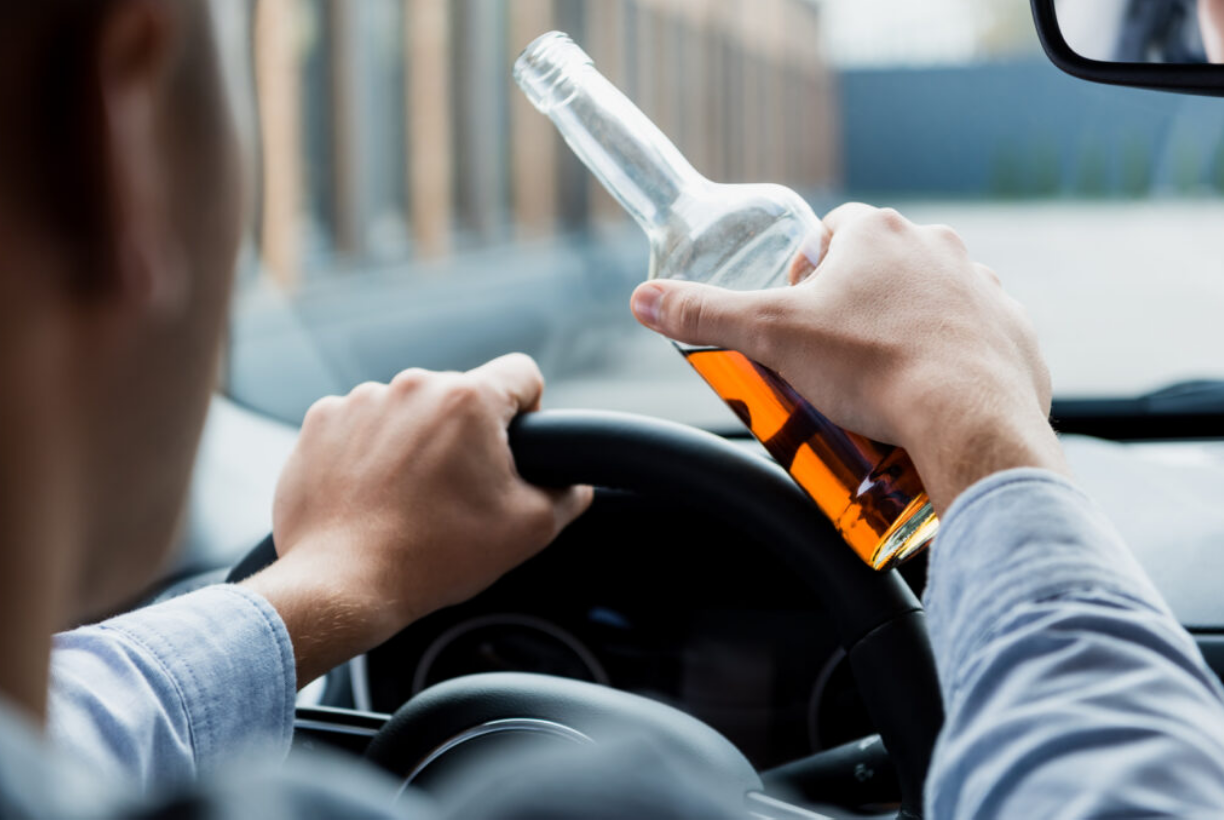
With alcohol-linked crashes high, Parliament’s transport committee backs “zero-tolerance” and harsher penalties for impaired drivers. Picture Credit: Insuranceopedia
By Aisha Zardad
South Africa – South Africa’s Parliamentary Portfolio Committee on Transport has proposed far-reaching new penalties for motorists caught driving under the influence of alcohol — including the possibility of being banned from holding a driving licence for life — as authorities grapple with persistent road fatalities and a sharp increase in alcohol-related arrests.
The committee’s proposal comes in response to the 2025/26 festive season road safety statistics, which showed that although overall fatalities dipped by about 5 %, there remained a high number of deaths on the roads, and a 144 % rise in drunk-driving arrests with 8,561 motorists testing positive for alcohol out of 173,695 tested.
Under current law, drivers convicted of drunk driving can face fines between R 2,000 and R 120,000, prison terms of up to six years, licence suspensions and criminal records. But committee chairperson Donald Selamolela told lawmakers that existing penalties are insufficient as a deterrent and that “decisive action is required.”
To strengthen enforcement and public safety, the committee has endorsed a “zero-tolerance” approach — scrapping the legal blood-alcohol limits that currently allow up to 0.05 g per 100 ml for ordinary drivers and 0.02 g for professionals — and argues that drivers who transgress should face harsher sanctions, including the possibility of never again obtaining a licence.
Transport Minister Barbara Creecy has led efforts to amend Section 65 of the National Road Traffic Act to prohibit any alcohol consumption by drivers, describing the existing allowances as “totally unacceptable” and outdated.
The push for stricter sanctions is part of a broader strategy to combat reckless behaviour, which officials say remains a leading cause of crashes. Road safety advocates and road users alike have been debating the balance between deterrence and fairness, but the committee argues that stronger laws are essential to reduce preventable deaths and injuries on South African roads.
If enacted, the proposed changes would represent some of the toughest national penalties for impaired driving in recent history and mark a key shift toward prioritising road safety legislation.