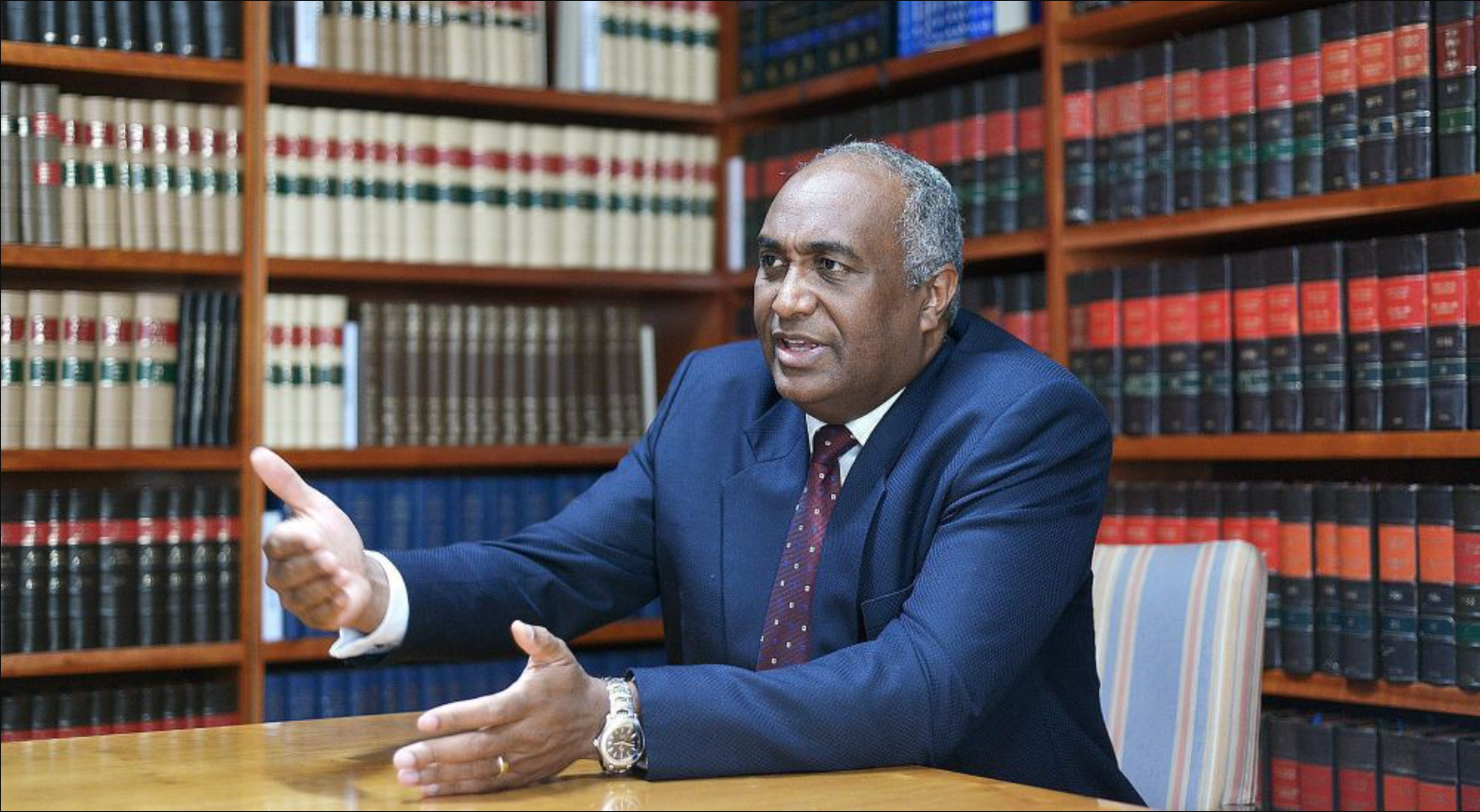

While others downsize, Capitec and FNB expand their footprint. Pictures Credits: DailyInvestor
By Aisha Zardad
South Africa – As South Africa’s banking sector continues its steady shift toward digital services, only two major banks are still expanding their physical branch networks: Capitec and First National Bank (FNB).
Over the past five years, most of the country’s largest banks have quietly reduced their brick-and-mortar presence. Data shows that while the total number of branches operated by South Africa’s five biggest banks has declined by less than 1% since June 2020 — from 3,193 to 3,167 — that relative stability masks a sharp divergence in strategy.
Capitec and FNB are the only banks to record growth. Capitec expanded its branch network by 2.2%, increasing from 863 branches in June 2020 to 882 by June 2025. FNB grew even faster, expanding its footprint by 4.3%, from 604 to 630 branches over the same period.
By contrast, Standard Bank has been the most aggressive in scaling back. Its branch network shrank by 6.3%, dropping from 524 branches in 2020 to 491 in 2025. The bank has previously attributed the move to a sharp decline in branch-based cash usage, with cash deposits down by 50% and withdrawals falling by 70% over five years.
“This shows a clear move toward alternative channels such as ATMs, cash centres and digital platforms,” Standard Bank said, noting that most personal and private banking clients now prefer digital services.
Nedbank and Absa have followed similar paths. Nedbank reduced its physical presence from 572 outlets to 549 between June and December 2020 and has remained broadly flat since. Absa cut its network from 630 locations in mid-2020 to 618 by June 2025, with figures including both branches and sales centres.
The broader trend reflects growing competition from digital-only banks such as TymeBank, Discovery Bank, Bank Zero and OM Bank, which collectively bank millions of South Africans without operating a single traditional branch.
Capitec’s strategy stands apart. With a strong focus on lower-income and entry-level middle-class customers — many of whom have limited access to digital banking — the bank has prioritised compact, fit-for-purpose branches in underserved areas.
“While more clients are embracing digital banking, many still value the personal connection and support available in our branches,” Capitec said, adding that in-person and digital services are designed to work together.
FNB echoed that view, saying its branches remain central to meeting customers “at their point of need,” alongside rapid expansion of self-service options, retail kiosks and cash access points nationwide.