
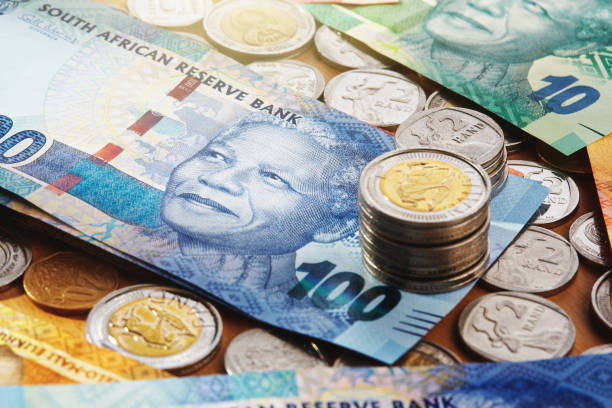
A turning point for the rand after years of pressure. Pictures Credits: iStock
By Thulane Madalane
South Africa – South Africa’s decision to adopt a lower inflation target is giving the rand renewed strength, with policymakers and analysts saying the move could help curb the currency’s long history of weakness.
Africa’s largest economy last month formally adopted a 3% inflation target, a shift long championed by Reserve Bank Governor Lesetja Kganyago. The change replaces the 3% to 6% target range that has been in place since the early 2000s and brings South Africa more closely in line with its major trading partners.
Markets have reacted positively. The move has helped push 10-year government bond yields to their lowest levels since 2017 and has put the rand on track for its strongest annual performance against the US dollar since 2009. A policy shift with long-term impact, Reserve Bank policymakers say inflation differences play a major role in determining long-term exchange rates.
“Inflation differentials are very important for long-run exchange rates,” said David Fowkes, a member of the Reserve Bank’s Monetary Policy Committee. He noted that the idea of a perpetually weak rand was, in part, a result of policy choices. “This belief that the rand is always weak is basically a policy decision that we made by having a high inflation target,” Fowkes said.
With the target now lowered, he expects fewer long-term pressures on the currency. While short-term volatility and external shocks will remain, the rand should no longer face the same steady trend of depreciation over long periods.
What analysts are saying, analysts at RMB Morgan Stanley agree that the new target could mark a turning point. They said keeping South Africa’s inflation closer to that of other economies reduces the need for the rand to weaken over time to maintain purchasing power parity. This, in turn, could help stabilise the currency and improve economic confidence.
The lower inflation goal may also reduce the real effective exchange rate, which measures the rand’s value after adjusting for inflation — a move that could benefit exports and broader economic growth.
A long history of pressure, over the past two decades, the rand has weakened by an average of around 7% per year against the dollar. Analysts estimate that this depreciation has added roughly 80 basis points to headline inflation over time.
They also warn that currency volatility increases the risk premium priced into interest rates, pushing borrowing costs higher. “A slower pace of depreciation would help reduce this risk premium and support lower real rates,” the analysts said.
If sustained, the Reserve Bank’s new inflation target could signal a more stable future for the rand — and a welcome shift for consumers, investors, and the broader economy.