
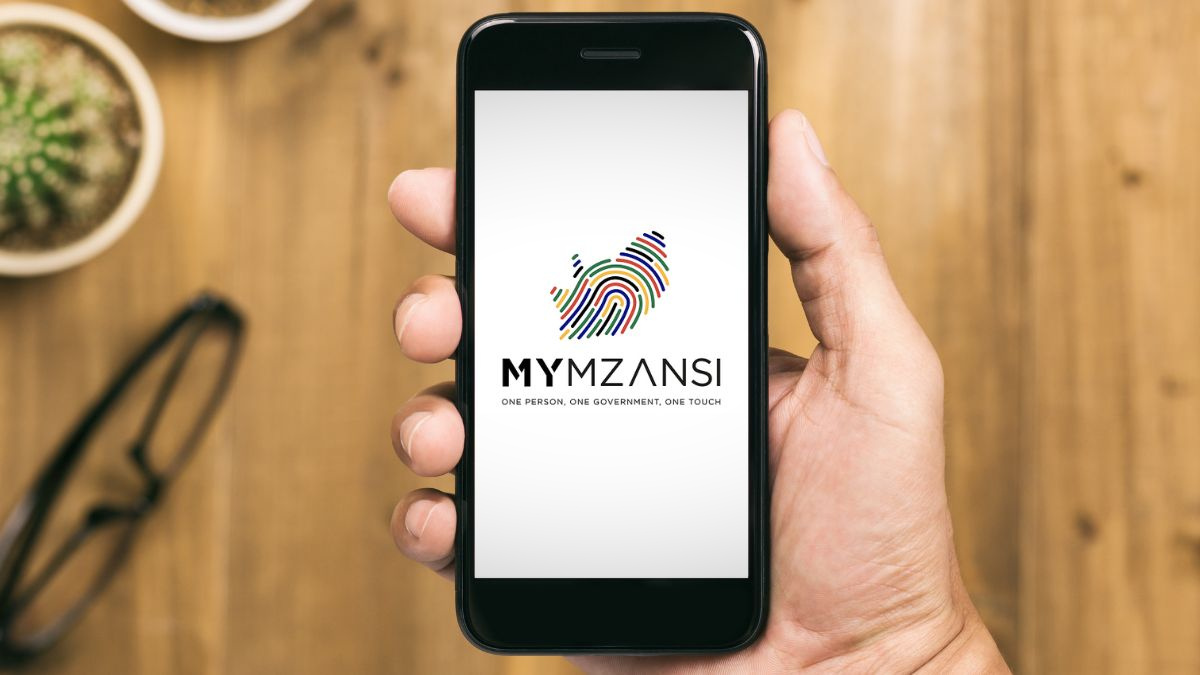
South Africa is preparing to phase out the green ID book as government moves towards a fully digital identity system. Picture Credits: Mybroardband
By Aisha Zardad
South Africa – South Africa is preparing for the eventual end of the green ID book as government accelerates plans to introduce a fully digital identity system ahead of the 2029 general elections.
Home Affairs Minister Leon Schreiber has confirmed that the Department of Home Affairs hopes to stop producing green ID books from 2026, as part of a broader digitisation drive aimed at modernising civic services and reducing fraud.
While no official date has been set to invalidate the green ID book as a legal form of identification, Schreiber said this would only happen once all South Africans have access to smart ID cards. The green ID book has been identified as a major vulnerability, with government warning it is the single biggest fraud risk in the country. Authorities estimate that 34% of fraud cases in Africa involve the green ID book.
The move forms part of a wider digital transformation initiative under the Government of National Unity, led by President Cyril Ramaphosa’s second-term administration. In May 2025, Communications Minister Solly Malatsi launched South Africa’s Digital Transformation Roadmap, which outlines the creation of a unified digital public services platform known as MyMzansi.
The roadmap was accompanied by the establishment of the Digital Service Unit (DSU) within the Presidency. In November, Malatsi unveiled a working prototype of the MyMzansi platform at the Global Digital Public Infrastructure Summit, demonstrating a digital driving licence card and an online licence renewal system.
According to Malatsi, the MyMzansi app will form the foundation of a single digital identity for all South Africans, allowing citizens to verify themselves and access government services through a centralised, zero-rated platform, even without mobile data.
The Digital Transformation Roadmap is built around four pillars: digital identity, data exchange, digital payments, and trusted digital service channels. The rollout is divided into two phases, with Phase 1 running from 2025 to 2027, focusing on social protection, digital ID pilots, and integrated services. Phase 2, from 2028 to 2030, will expand the system across healthcare, education, and business services.
Alongside this work, the Department of Home Affairs is implementing its “Home Affairs @ Home” strategy, which aims to expand access to smart ID and passport services through bank branches nationwide. Banks have committed to rolling out services to at least 153 branches by March 2026, with plans to reach 1,000 branches by 2029.
Home Affairs is also working with banks to integrate ID services into banking apps and eventually deliver smart IDs directly to homes or offices, reducing congestion at Home Affairs offices.
Despite progress, challenges remain. Schreiber has revealed that approximately 4.4 million South Africans over the age of 16 currently have no form of ID, while an estimated 16 million green ID books are still in circulation and must be replaced.
Home Affairs has urged citizens who qualify for smart IDs to migrate as soon as possible, warning that digital identity systems will significantly reduce fraud while improving access to government services.